
Digital MarketingOct 14, 2026
Measure Marketing ROI Without Tracking | AbuQitmirLabs
A guide to measuring marketing ROI when attribution is impossible. Learn incrementality testing, MMM, and practical frameworks for startups.
Read Article
Stay up-to-date with engineering deep-dives, AI automation strategies, SEO mastery guides, and software architecture trends.
A guide to measuring marketing ROI when attribution is impossible. Learn incrementality testing, MMM, and practical frameworks for startups.
A guide to measuring marketing ROI when attribution is impossible. Learn incrementality testing, MMM, and practical frameworks for startups.
A detailed checklist for safe, effective guest posting in 2026. Learn which tactics still work, which get penalized, and how to build quality links.
A breakdown of the 12 digital marketing layers that actually drive revenue in 2026, including stack adjustments for Saudi Arabia, UAE, Qatar, and Kuwait.
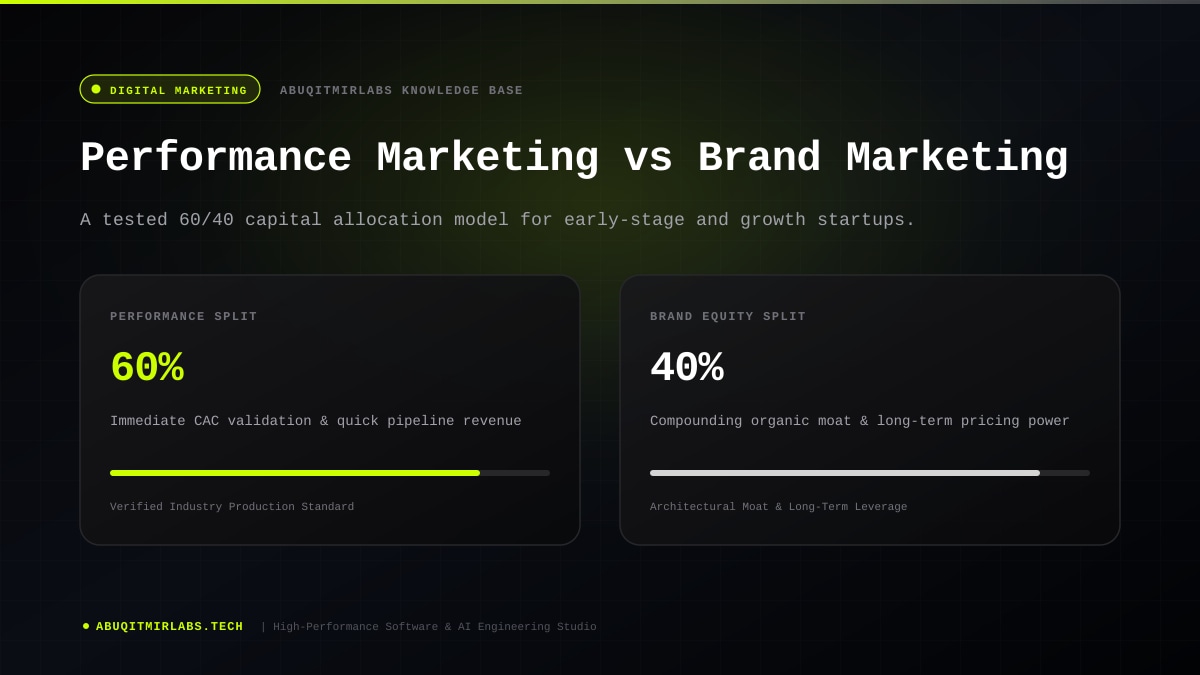
A practical framework for startups to split budget between performance and brand marketing. Learn when to invest in each and how to measure ROI.
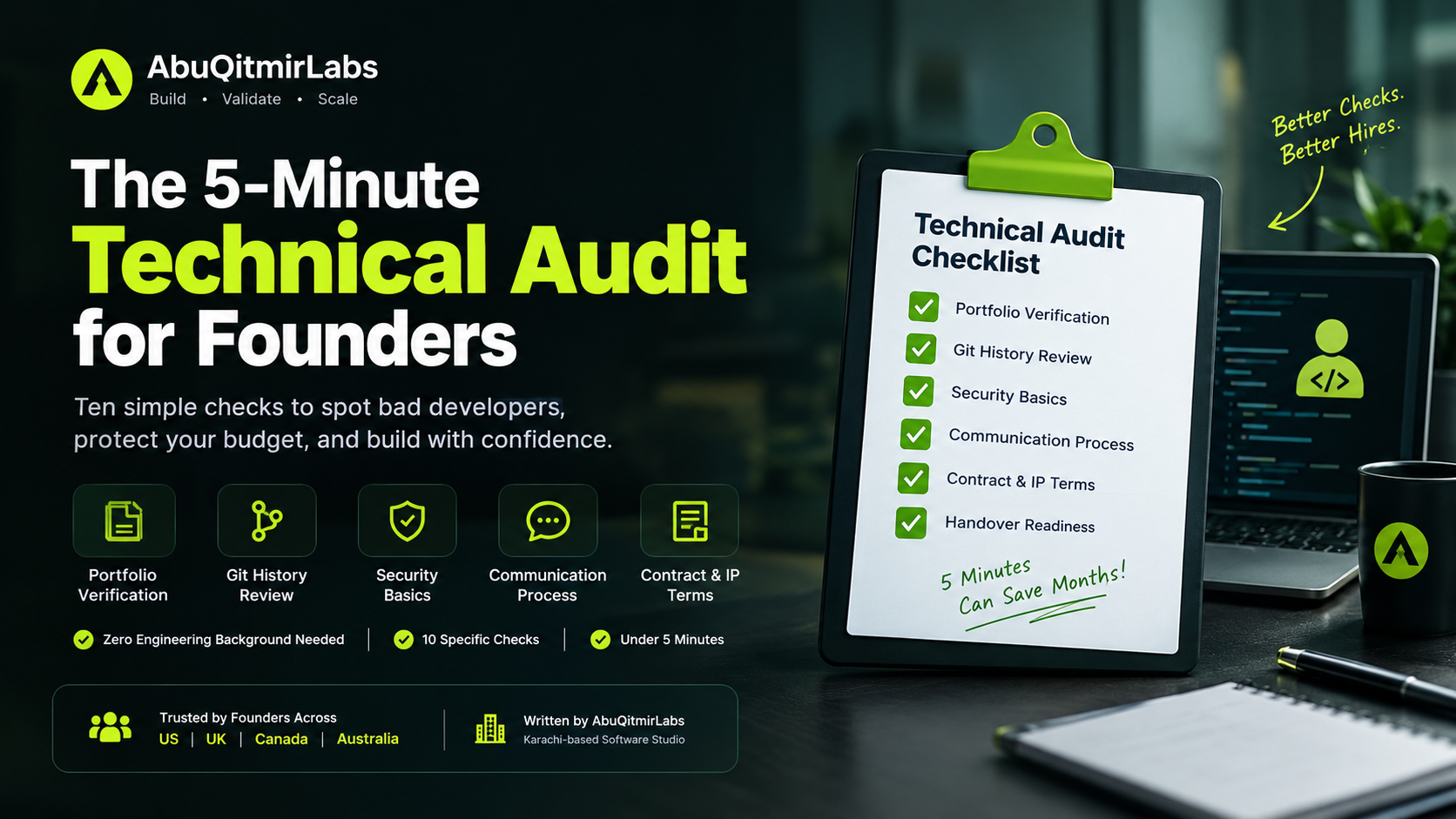
A five-minute technical audit checklist for founders hiring a developer. Spot red flags in portfolios, Git history, security, and contracts before you sign.
Most founders assume the hard part is launching an MVP. The harder part is what comes next. This seven-phase roadmap for MVP to scale gives non-technical founders a step-by-step plan for taking a live Version 1.0 product to a scalable Version 2.0. It covers stabilisation, user research, data audit, architecture decisions, rebuild versus refactor analysis, Version 2 scoping, and execution with decision gates. Includes real cost ranges for each path, a foundation-versus-liability framework for the rebuild decision, and the common mistakes that turn Version 2.0 into a six-figure unplanned rebuild. Written by AbuQitmirLabs, a Karachi-based software studio that has helped founders scale from MVP to production across web, mobile, and AI products.
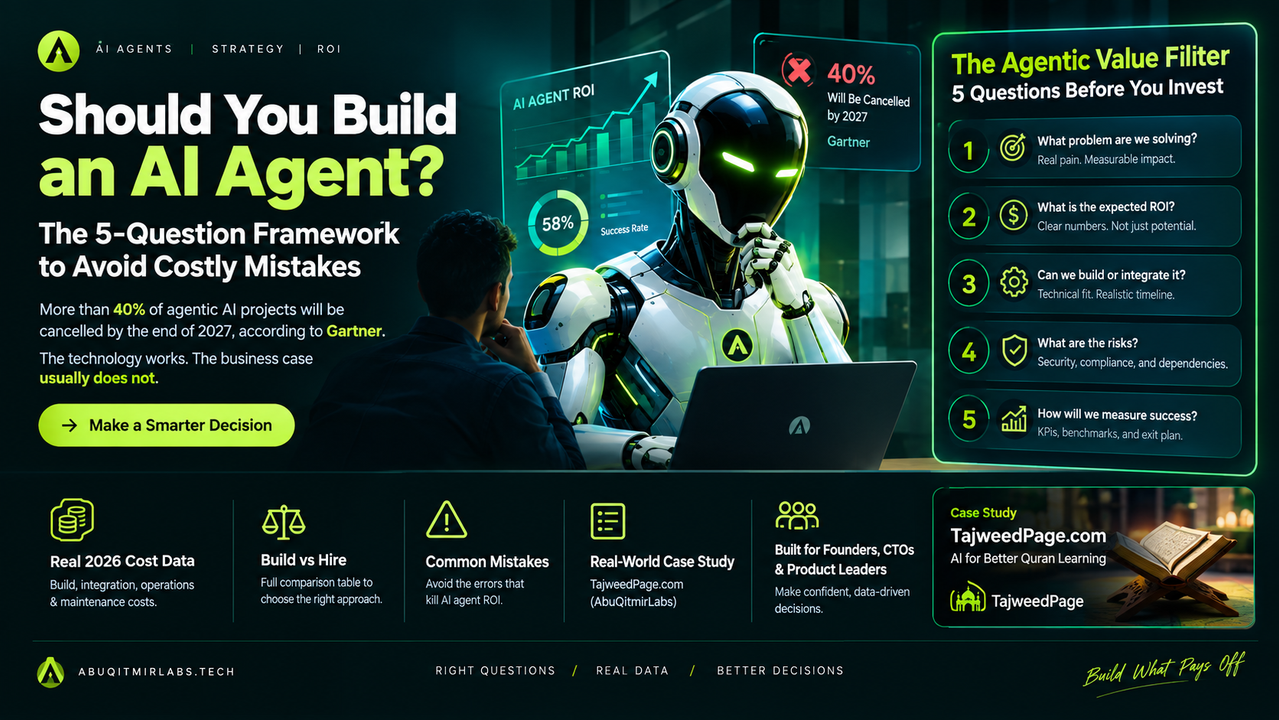
A five-question decision framework for founders evaluating whether an AI agent will pay for itself. Includes real 2026 cost data, failure rates, and build vs hire guidance.

Jamstack vs dynamic website 2026 comparison showing the Three-Tier Static Model with pre-render, on-demand render, and client fetch tiers by AbuQitmirLabs

Cheap hosting can push TTFB past 800ms and hurt Core Web Vitals. See what published data shows, where it is vendor-biased, and how to test your own site.

URL fragmentation silently splits your analytics, dilutes domain authority, and poisons syndication feeds. It happens because modern headless stacks route traffic across four independent layers: CMS, static generator, edge CDN, and client-side SPA. When those layers fall out of sync, one article gets two or more URLs. GA4 logs both. Google indexes both. RSS feeds broadcast the wrong one. This guide breaks down the four failure vectors that cause duplicates and presents a 5-layer self-healing architecture that eliminates them permanently at build-time, edge-time, and client-run-time. Includes code samples for idempotent CMS writes, edge 301 redirects, client-side router replacement guards, GA4 canonical pipelines, and CI build auditors. Written by AbuQitmirLabs for teams building headless SPAs with Next.js, React, and headless CMS stacks.

Seven pricing page decisions, from tier count to trust signals, with published A/B test data, honest limits, and a plan for testing them properly.
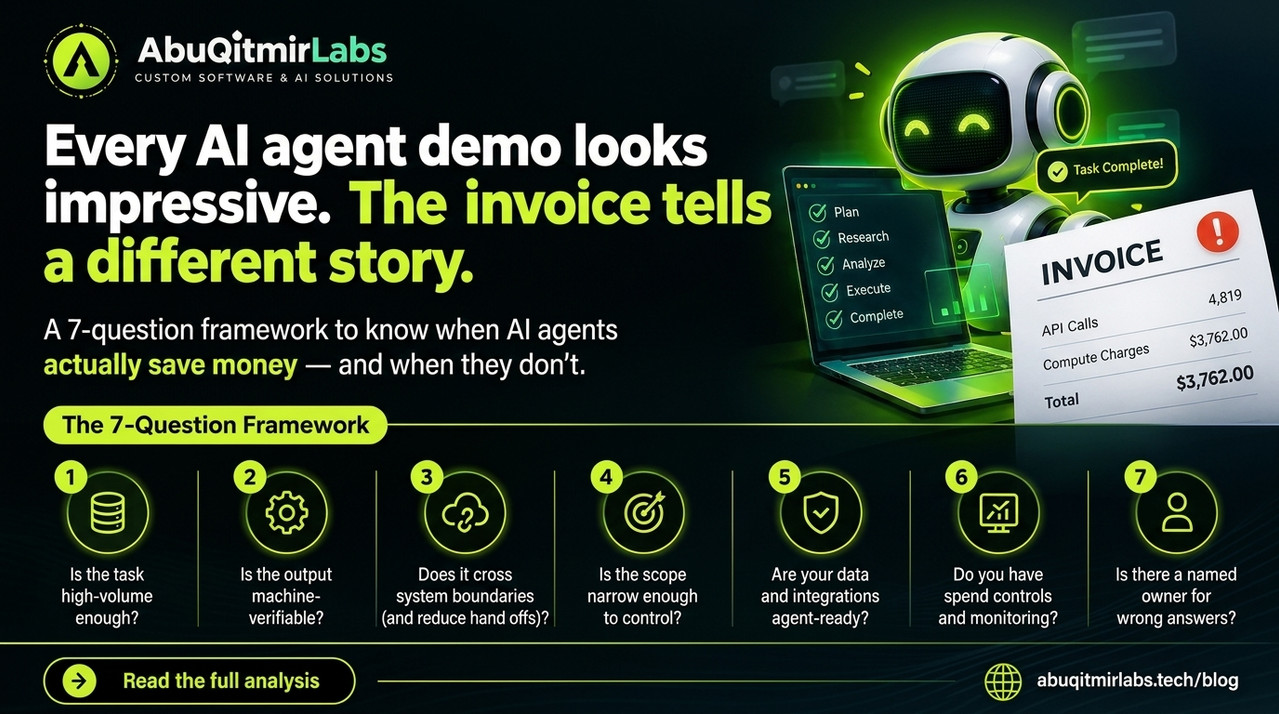
Every AI agent demo looks impressive. The invoice tells a different story. A 7-question framework to know when AI agents actually save money and when they don't.

Pakistan's IT exports reached a record $4.6 billion in FY2025-26, and the government has locked in reduced tax rates for the sector through 2029. That combination of export growth and policy stability is why more US founders are quietly adding Pakistan to their offshore shortlist alongside India and Eastern Europe. This article examines the real data behind the shift, including a four-market rate comparison across Pakistan, India, Philippines, and Poland, the honest trade-offs of a 9 to 10 hour timezone gap, and a five-step vetting framework for evaluating a Pakistan-based engineering partner.
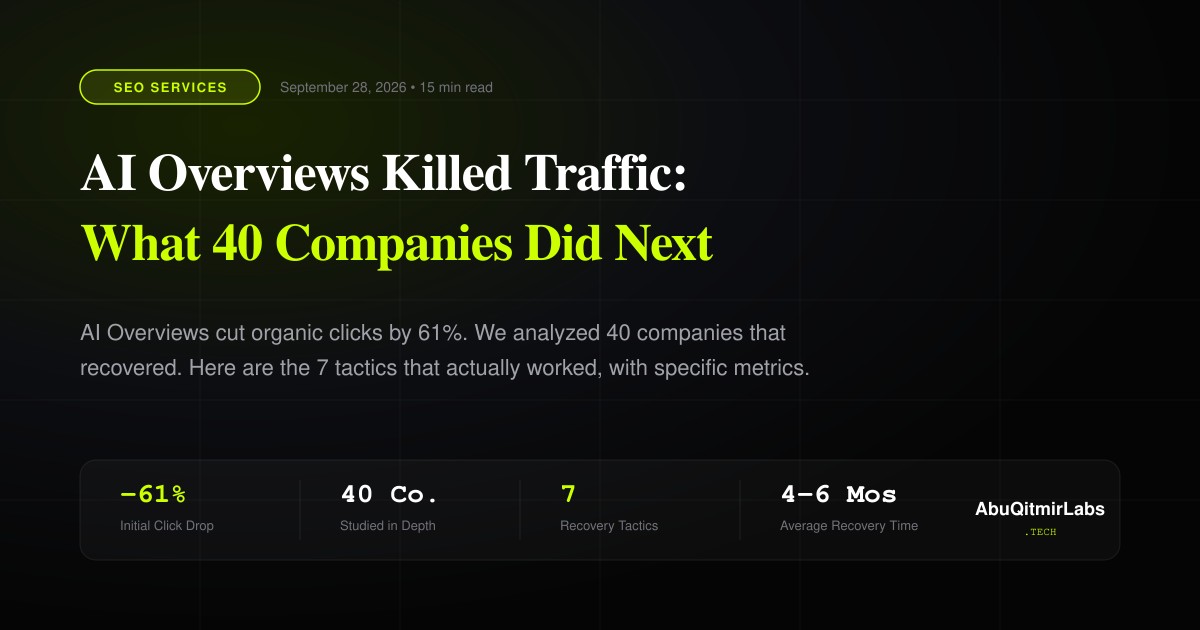
Google AI Overviews now appear in 58% of all search results and have cut organic CTR on top-ranking pages by up to 61%. This is not an algorithm update you wait out. It is a structural change in how search demand reaches websites. We analyzed 40 companies that recovered lost traffic between January 2025 and August 2026. Seven recurring tactics appeared. Only three of them involve traditional SEO. This article documents the full framework, includes the SignLab case study (50% traffic loss, 5-month recovery), and provides a cost breakdown for DIY versus agency-assisted recovery.

Most local SEO audits miss AI search, voice, and geo-grid analysis. This 2026 guide covers all 7 audit dimensions including the ones your competitors skip.

Off-the-shelf software costs more than you think. Learn when tailor-made software solutions win — with a decision matrix, TCO data, and transition playbook.

The pSEO playbook that made Zapier famous is declining 40-70%. Here is the semantic hub-and-spoke framework AbuQitmirLabs used to scale TajweedPage.com across 20+ country markets.

Learn the 12 engineering decisions that separate high-performance web applications from slow ones. Optimize Core Web Vitals and scale effectively.

iOS or Android first? Get the real 2026 cost breakdown for native mobile app development, platform by platform, feature by feature. No vague estimates.
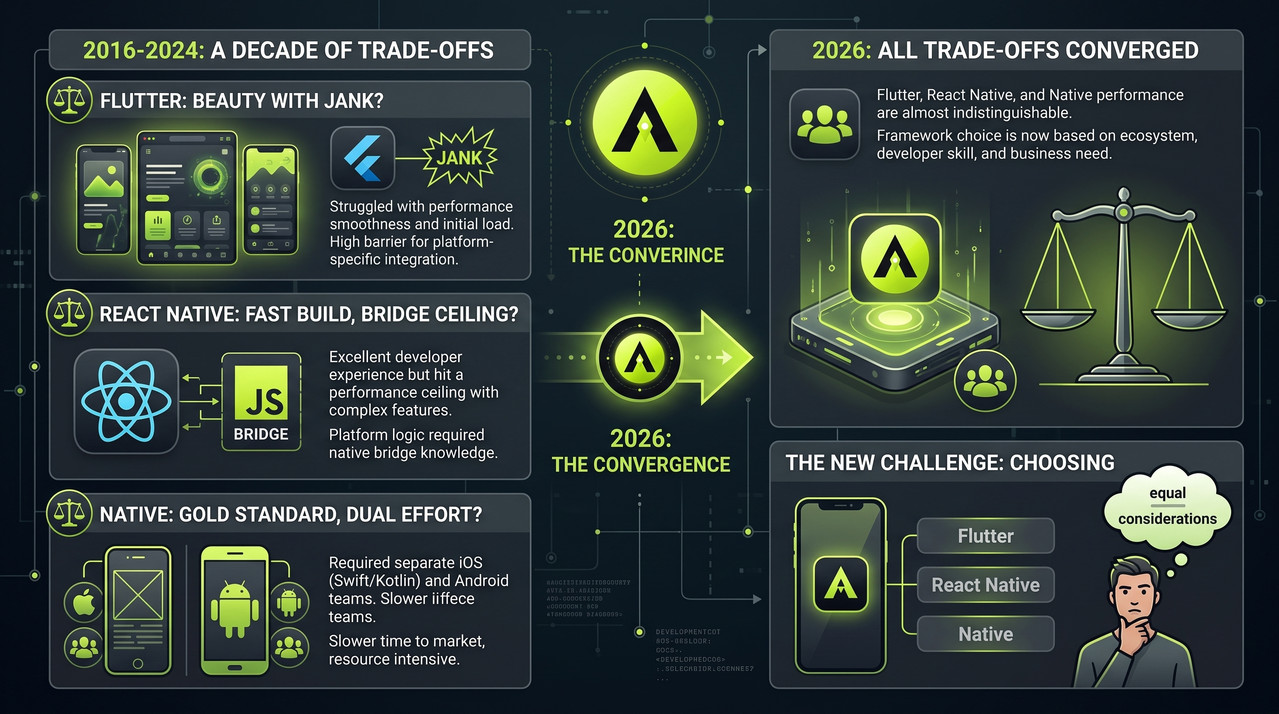
Flutter now has 46% market share. React Native has 4× more developers. Here's the honest decision framework for choosing between them in 2026.

Custom LMS without these 9 features will fail at engagement and retention. Here's what separates production-ready platforms from proof-of-concept toys.
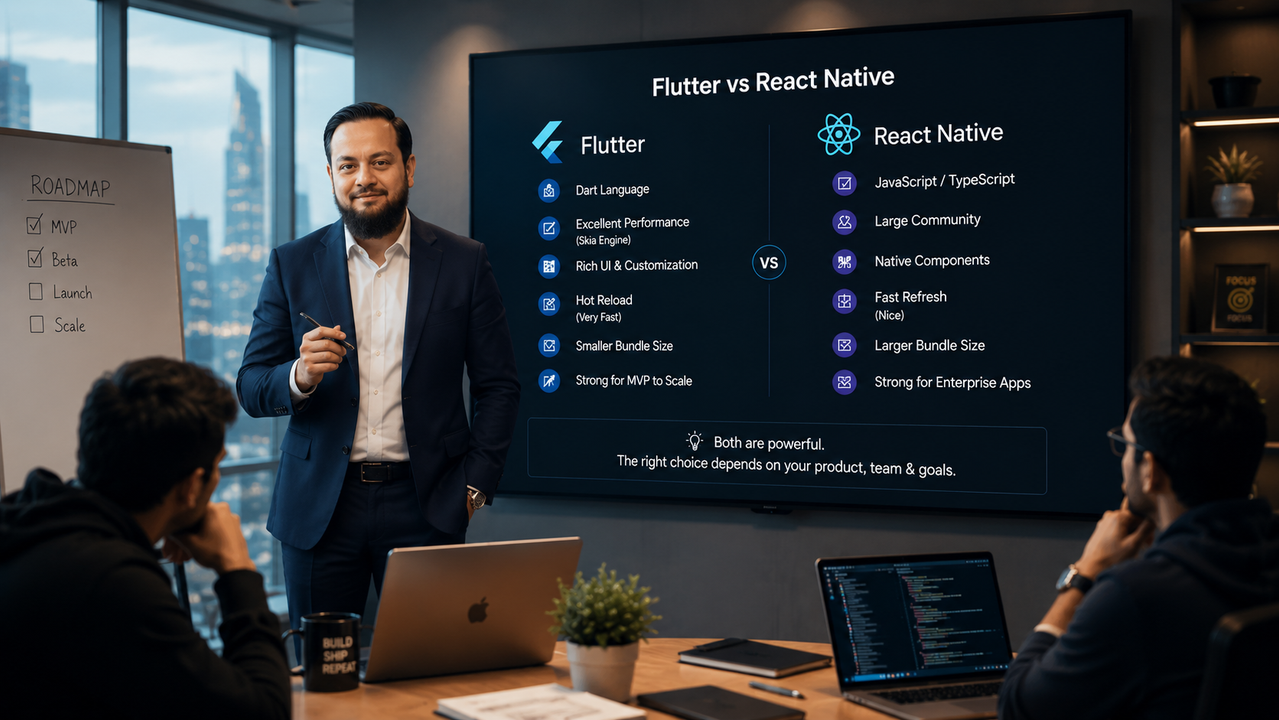
Flutter vs native mobile app development in 2026 — real cost breakdown, performance comparison, and decision framework for startups and enterprises.

From architecture to deployment pipelines, enterprise software engineering demands a completely different discipline. Here's what actually changes when you build at scale.

A 15-point evaluation framework for UK businesses vetting app development agencies. Covers costs, red flags, IP ownership, and offshore options.
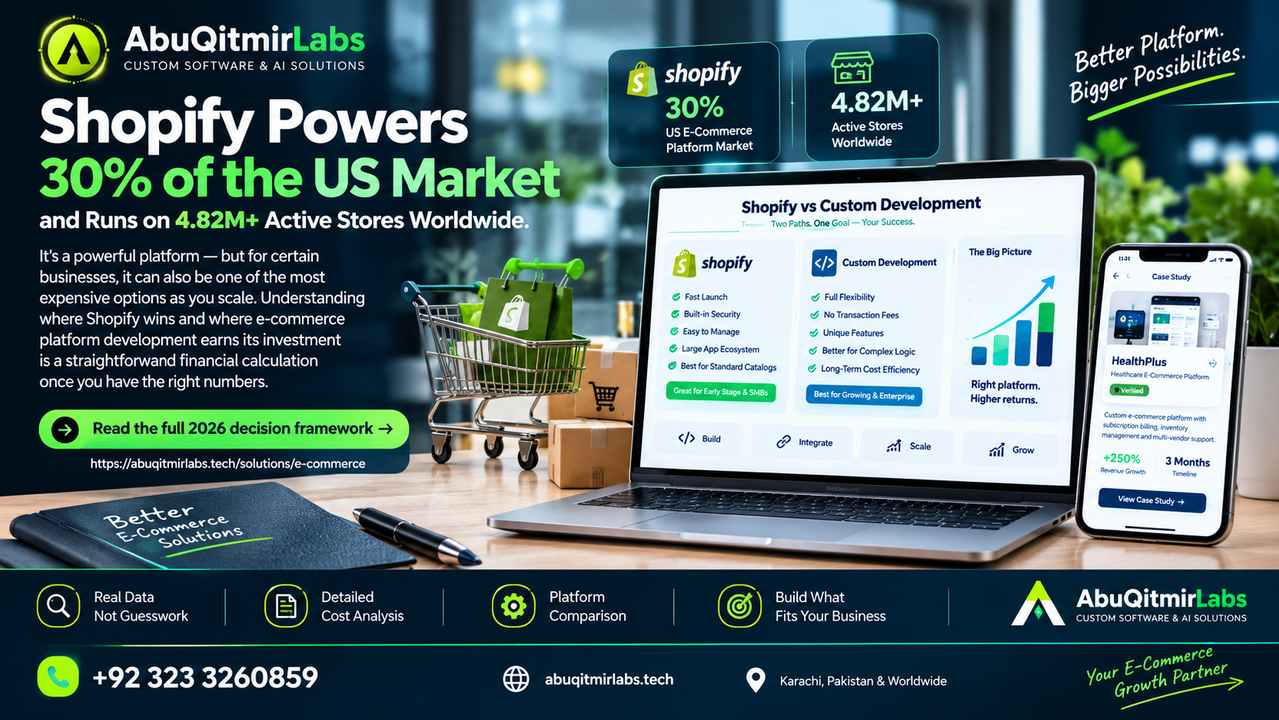
Shopify Plus costs $2,300/month before transaction fees. A custom ecommerce build breaks even at $2M–$4M GMV. Here's the 2026 decision framework.
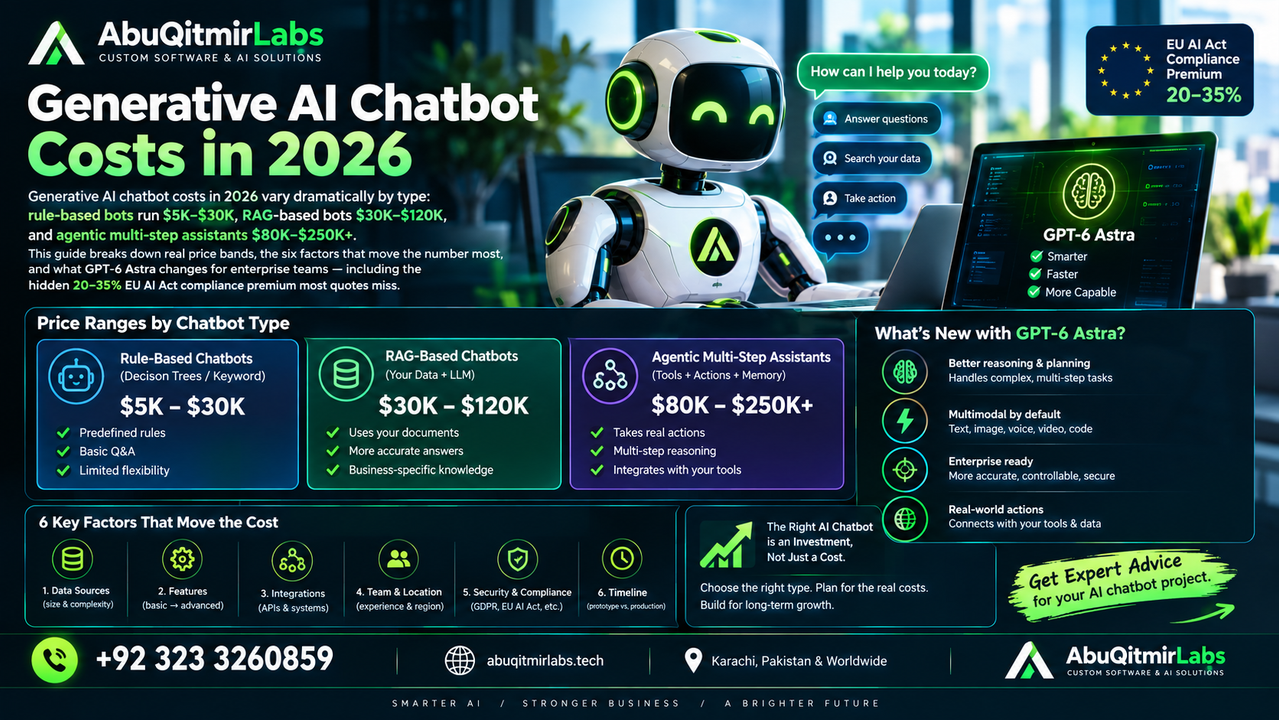
Real 2026 cost breakdowns for generative AI chatbot development — rule-based vs RAG vs agentic builds, plus what GPT-6 Astra changes for enterprise teams.
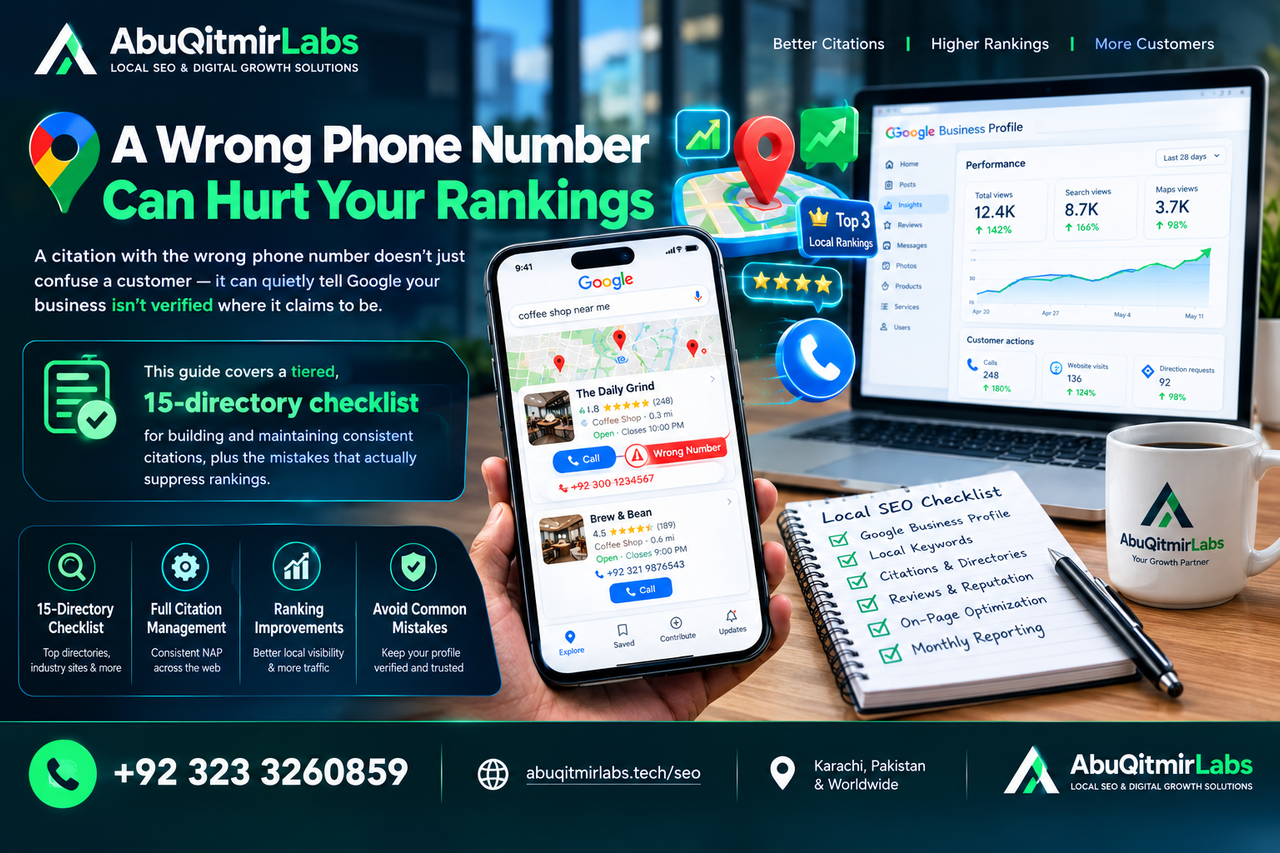
A tiered checklist of 15 directories for building consistent NAP citations, plus why AI search engines now check citation consistency too.
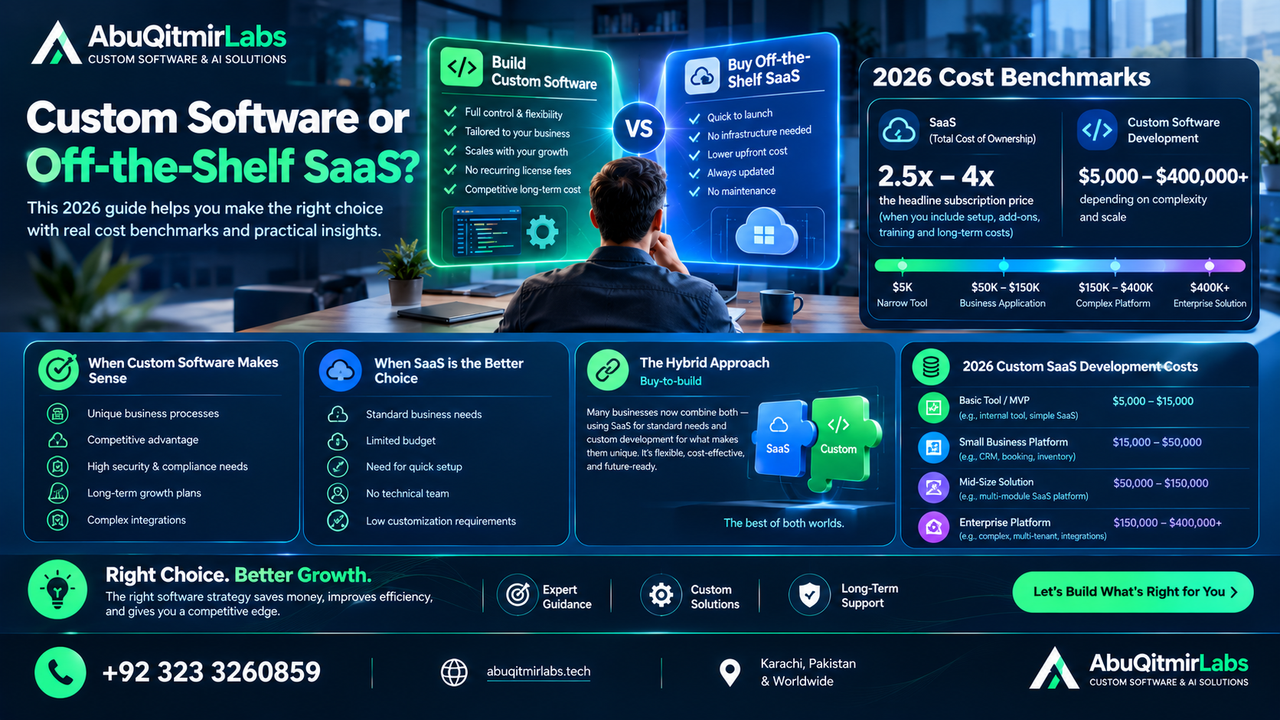
A practical framework for deciding between bespoke SaaS development and off-the-shelf software, with real 2026 cost and TCO benchmarks. Free guide from AbuQitmirLabs .TECH.
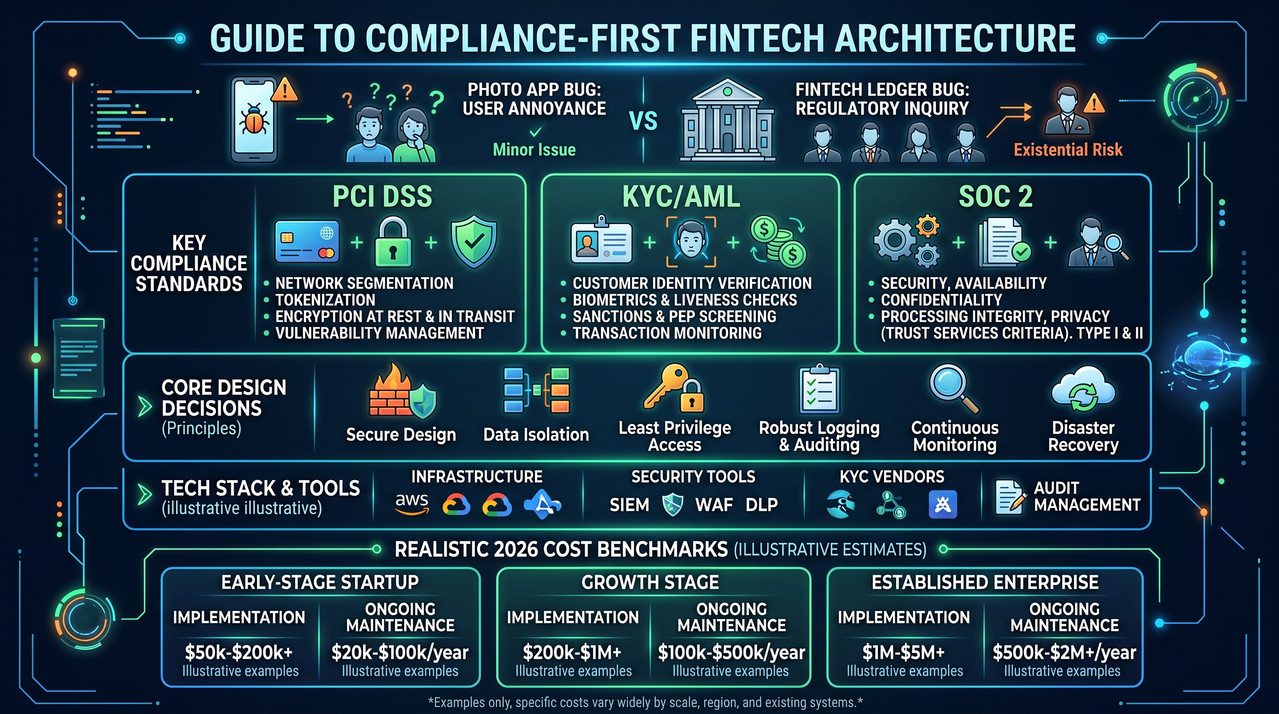
How to architect fintech software with compliance built in from day one — PCI DSS, KYC/AML, SOC 2, and 2026 cost benchmarks.
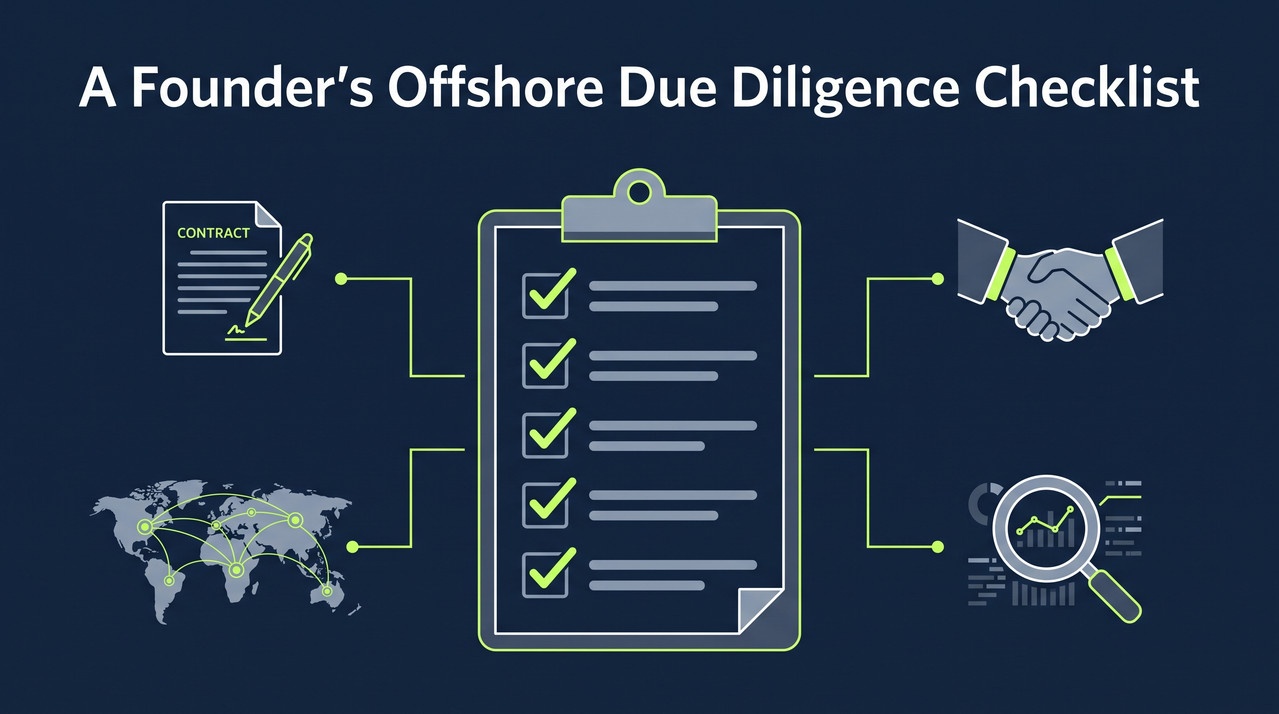
12 things to verify before hiring an offshore development team — IP ownership, developer access, pricing, and 2026 rate benchmarks.
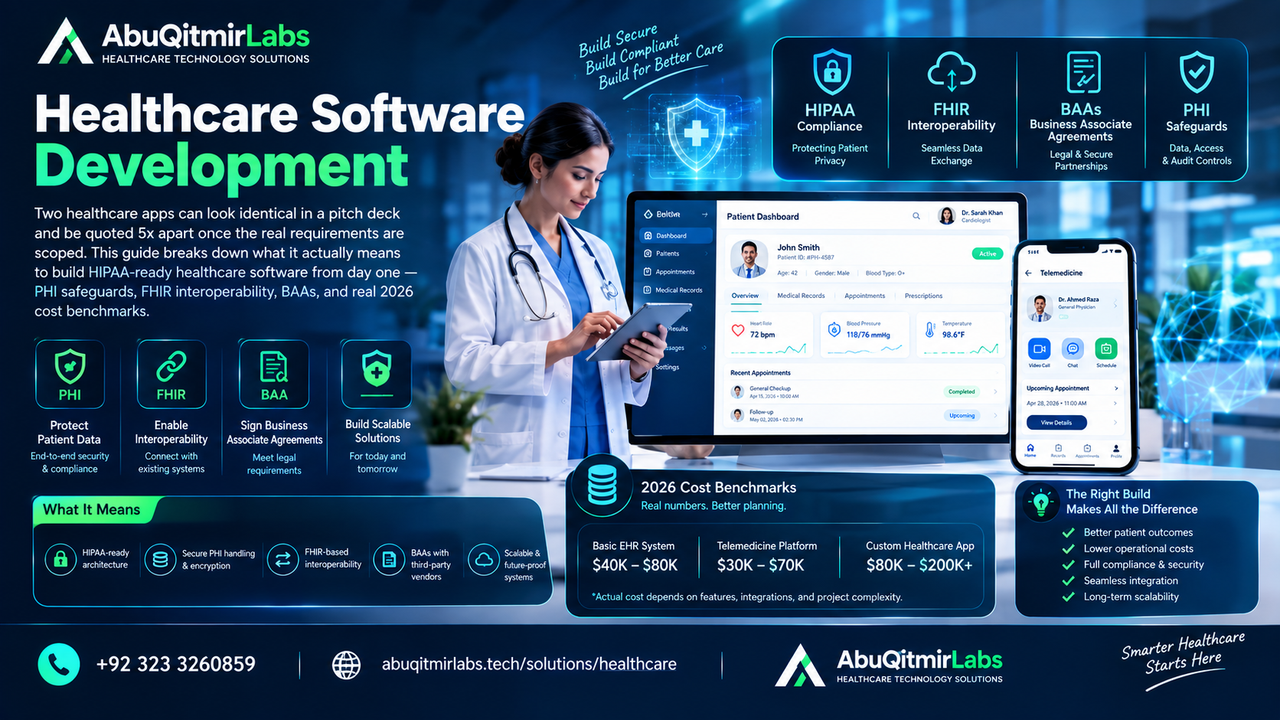
How to build HIPAA-compliant healthcare software from day one — PHI safeguards, FHIR, BAAs, and real 2026 cost benchmarks.
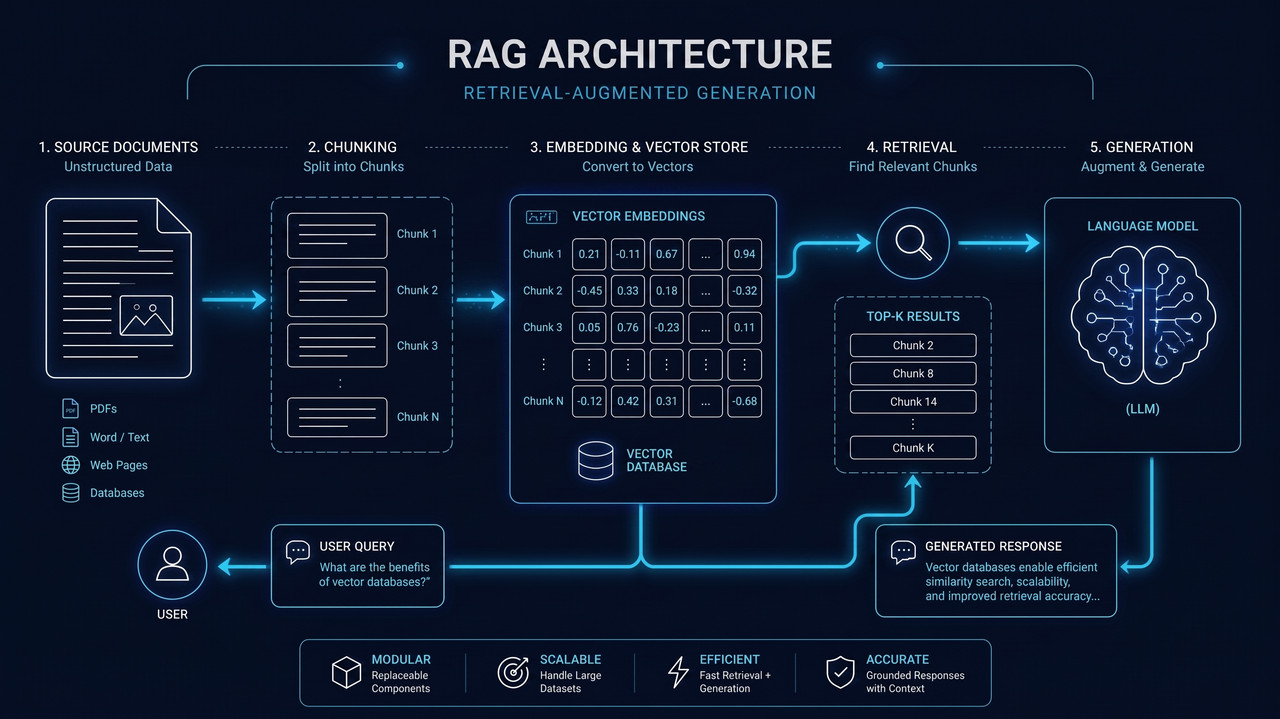
Quick takeaways - RAG (Retrieval-Augmented Generation) connects a large language model to your own data, so it answers using facts instead of guesses. - A lean startup RAG build ty...
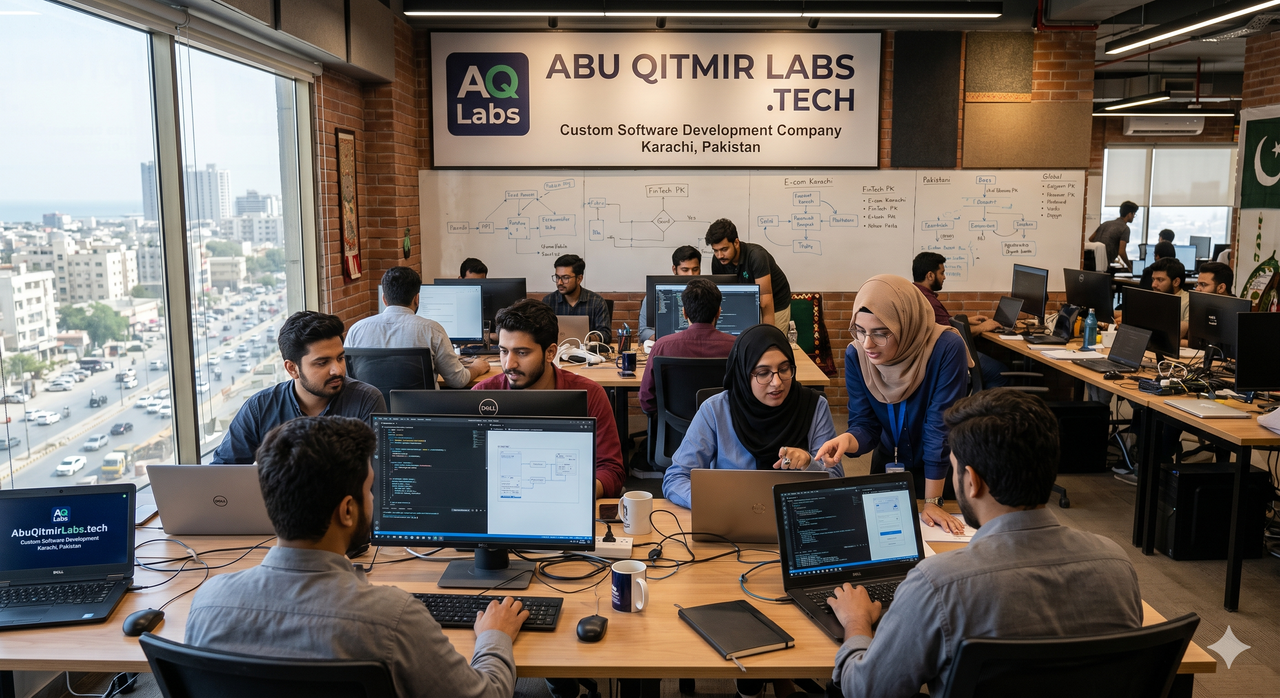
Direct Answer: A custom web development company designs and builds websites and web applications engineered specifically for your business — covering everything from full-stack web...
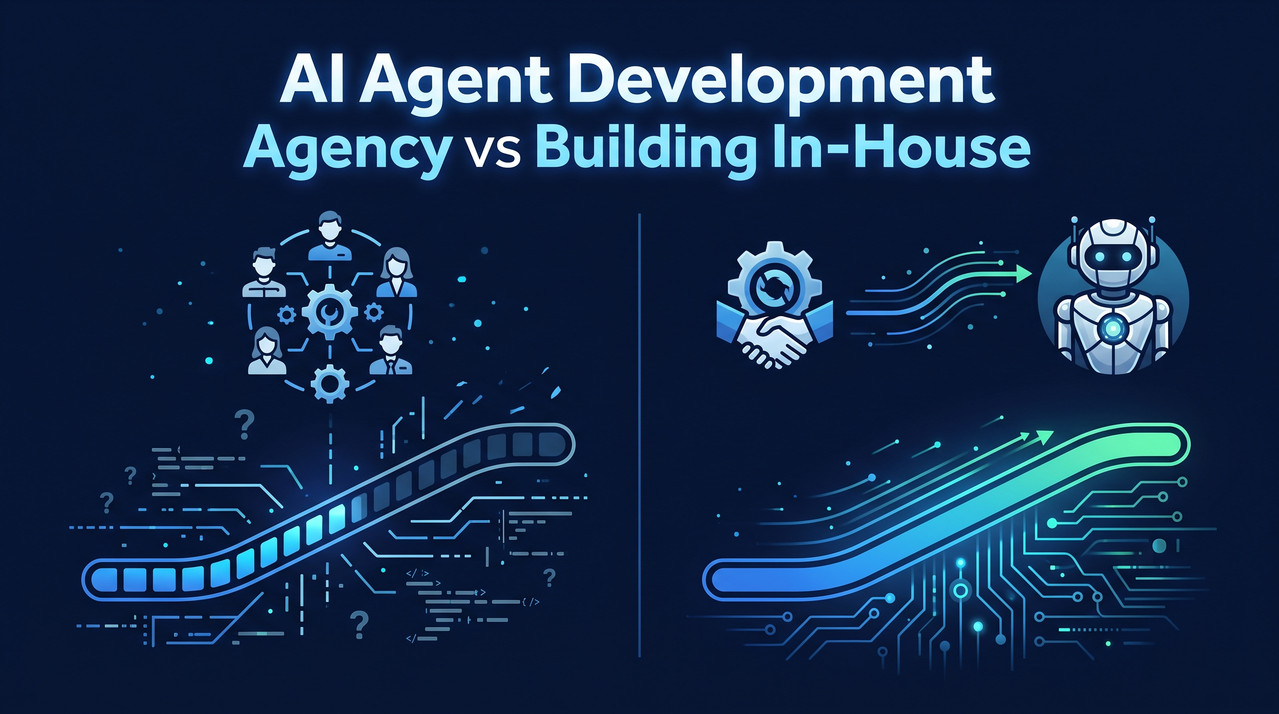
Compare AI agent development agency vs in-house costs, timelines, and risks — with real startup-scale numbers, not enterprise ones.
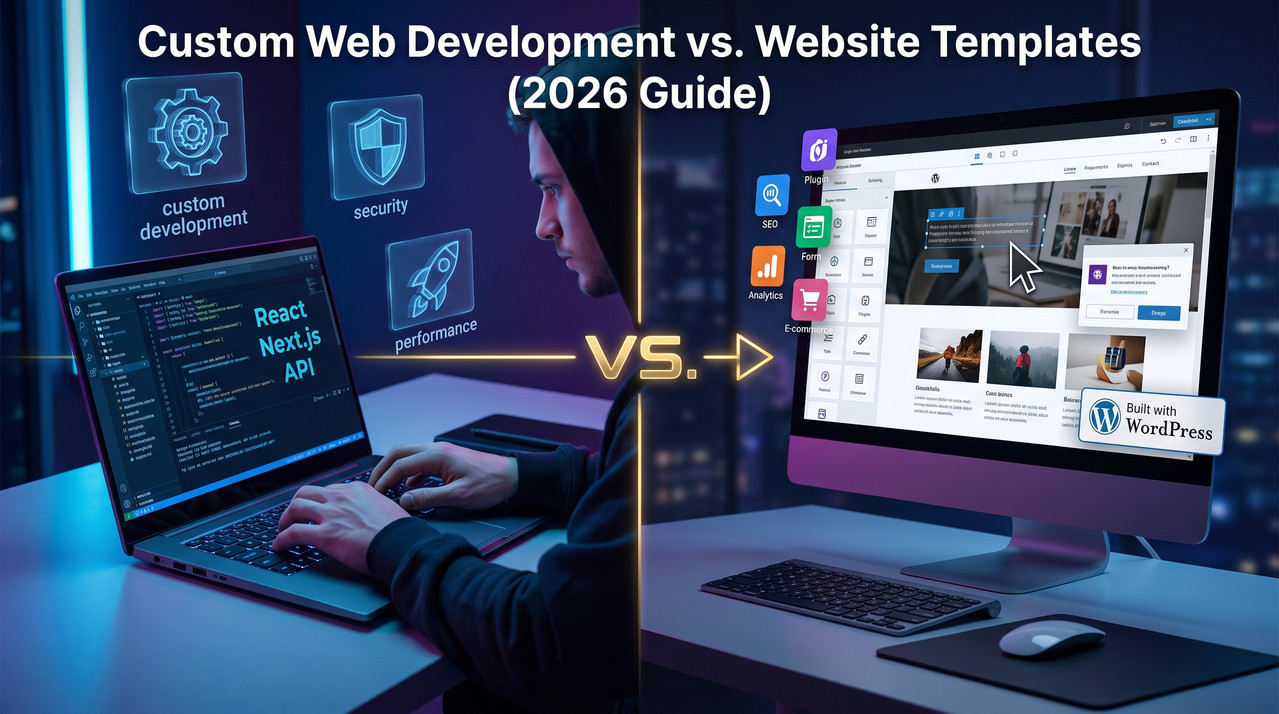
When evaluating a web presence, leadership teams frequently face a pivotal strategic choice: should they build a tailored digital application from the ground up or deploy a pre-con...
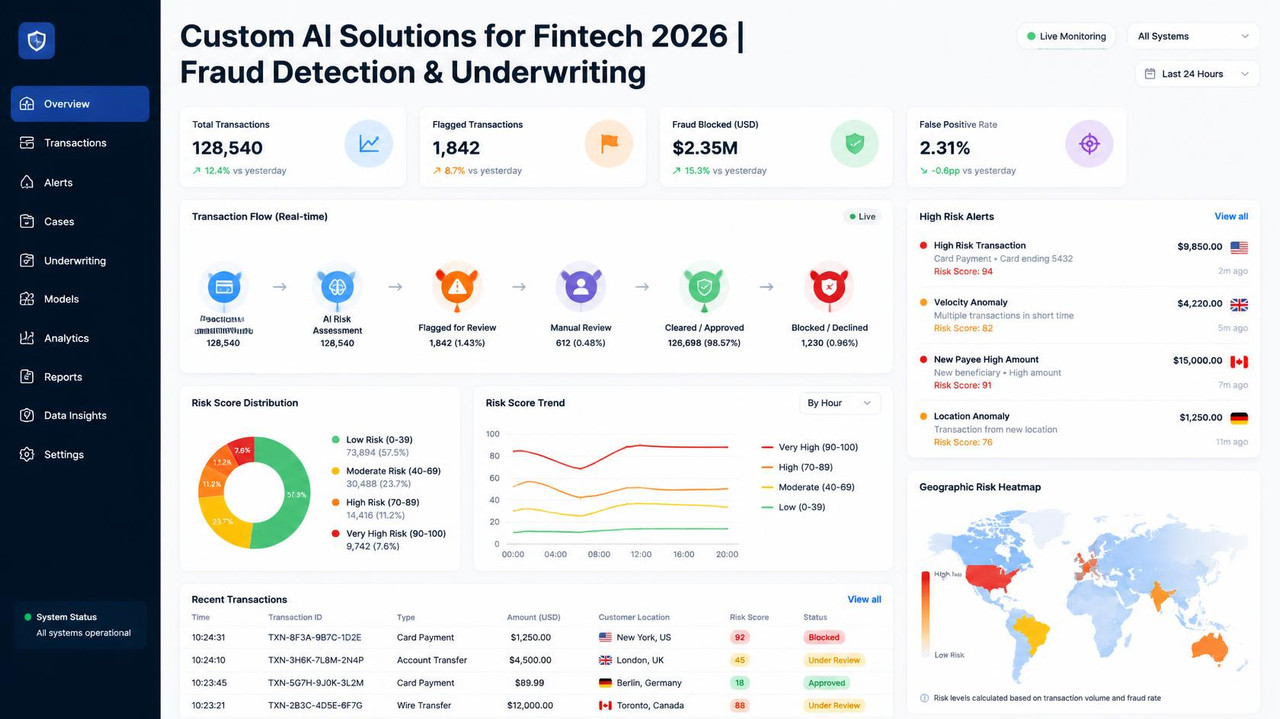
Custom AI solutions for fintech in 2026 — real-time fraud detection, AI-assisted underwriting, and RAG-based support. See what a fintech software development company actually build...

Most guides tell you how to vet a mobile app development company's code quality. Almost none tell you whether they'll make sure anyone finds your app. Here's the complete 2026 fram...
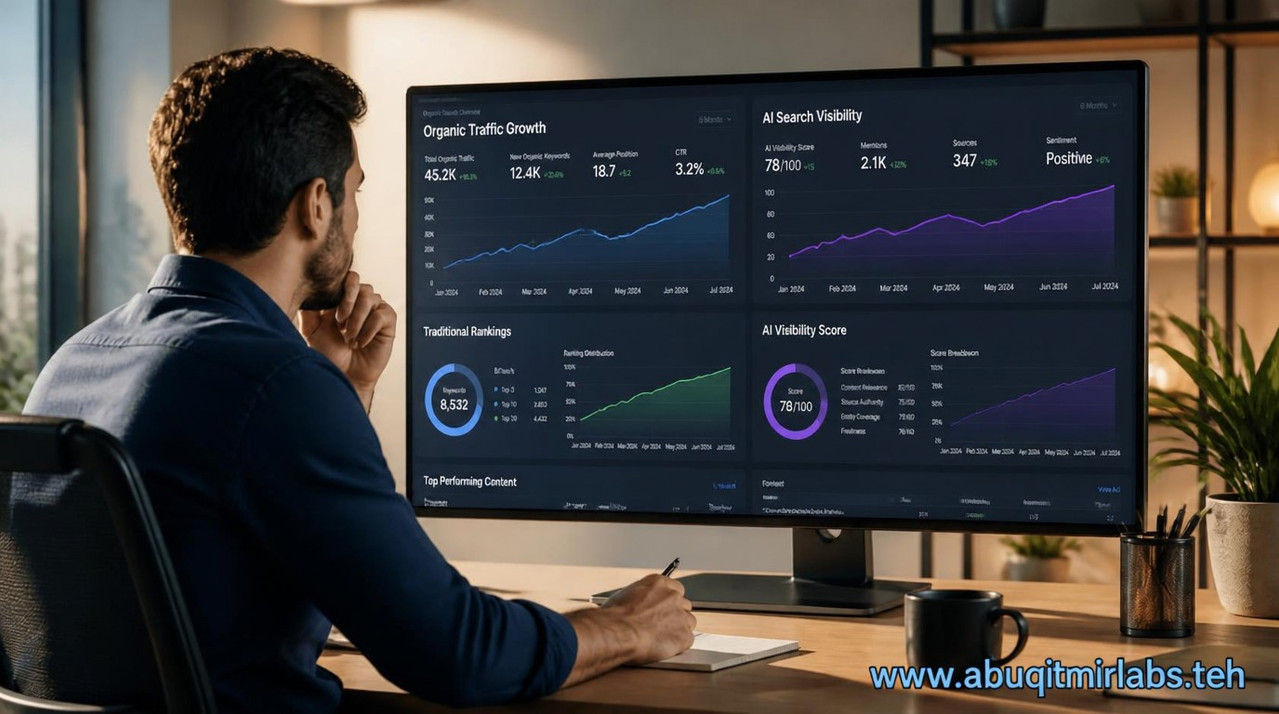
Most SEO companies are still selling 2023 strategies in 2026. Here's what modern SEO services actually cover — GEO, AEO, AIO, SXO — and how to find an agency that knows the differe...
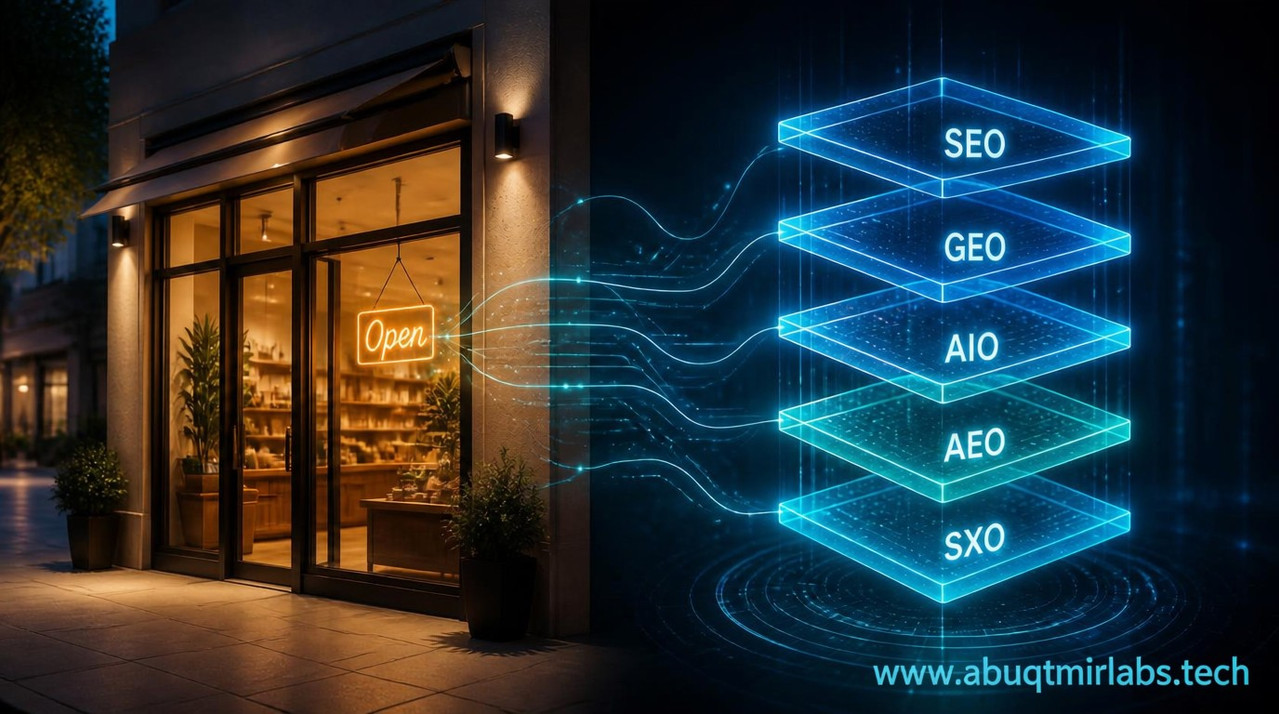
Local SEO alone won't get you found in 2026. Discover the 5-Layer Local Visibility System — SEO, GEO, AIO, AEO, and SXO — built for local businesses competing in AI search. ---...
Discover how custom AI solutions for corporate events transform attendee management, speaker coordination, venue booking, and financial tracking. Complete 2026 guide with real-worl...

Agentic AI systems fail in production due to architecture, not models. Learn 7 failure modes (infinite loops, memory fragmentation, compound errors, confident wrongness, over-scope...
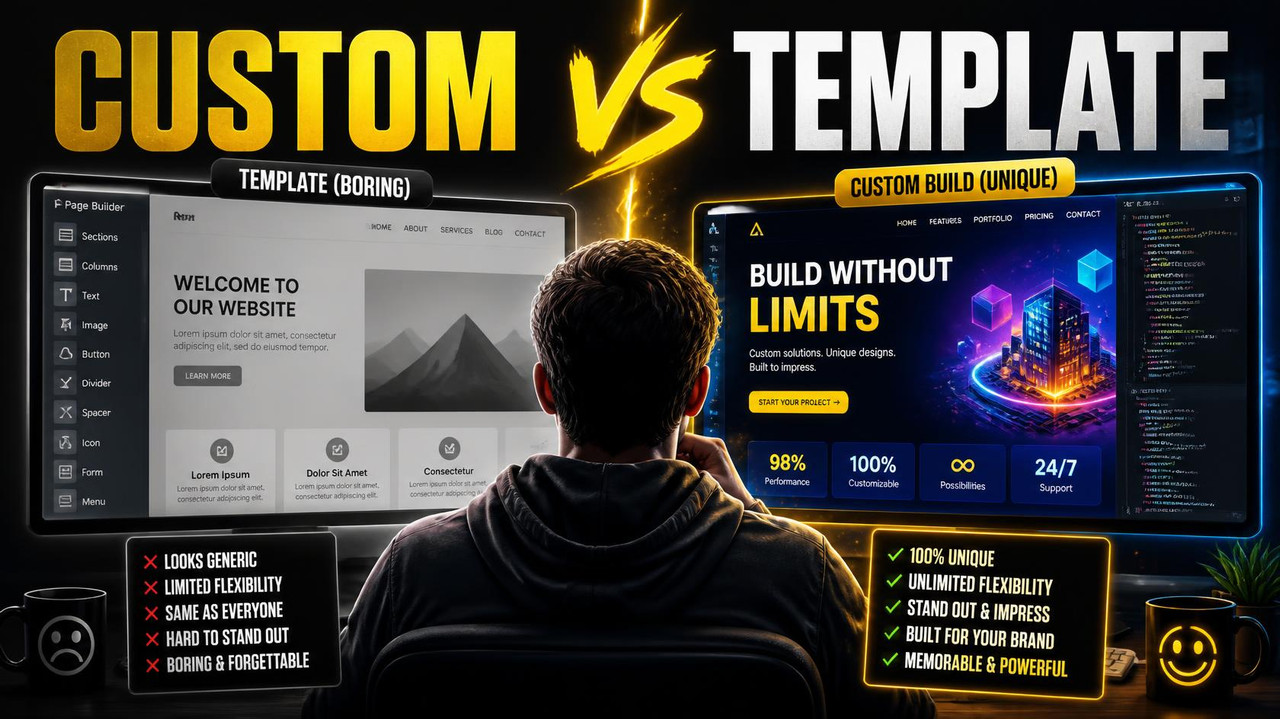
Discover what a custom web development company actually builds, how SEO web development works, and whether your business needs custom web app development services. A web app dev...
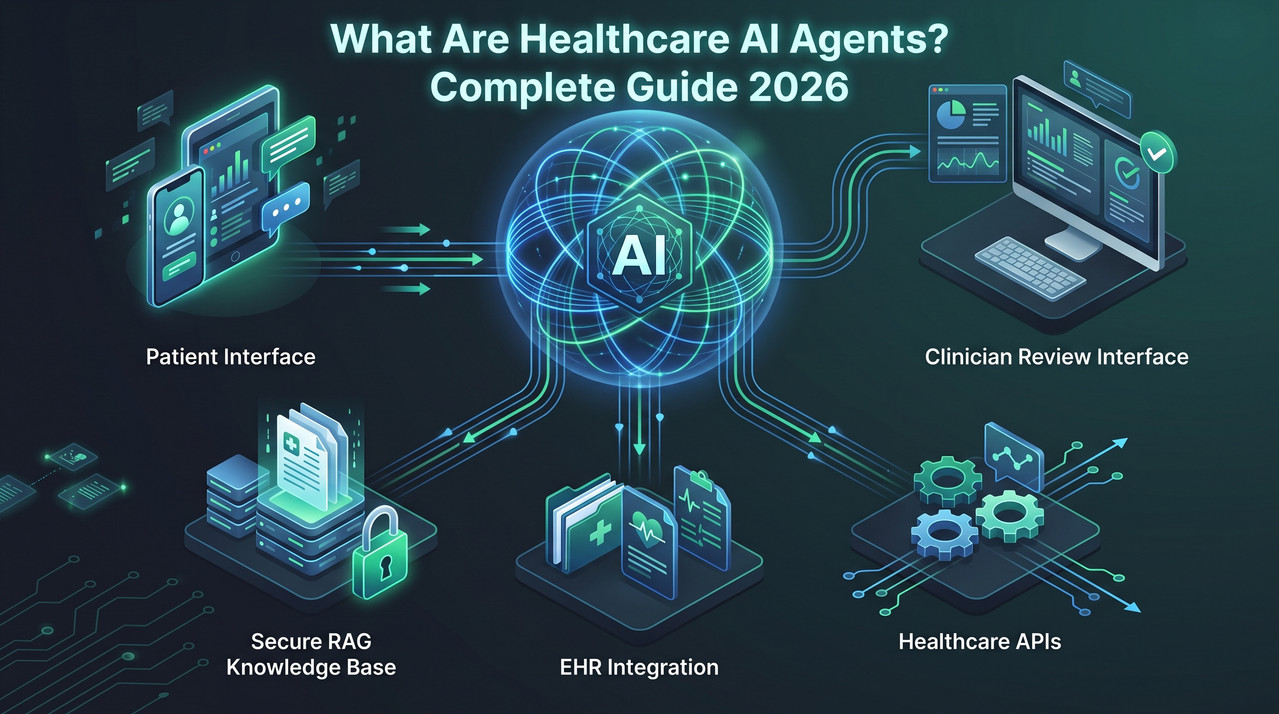
Healthcare AI agents in 2026: autonomous architectures, EHR integration, RAG, clinical triage, HIPAA-aligned security, and engineering workflows. --- Unlike standard conversa...
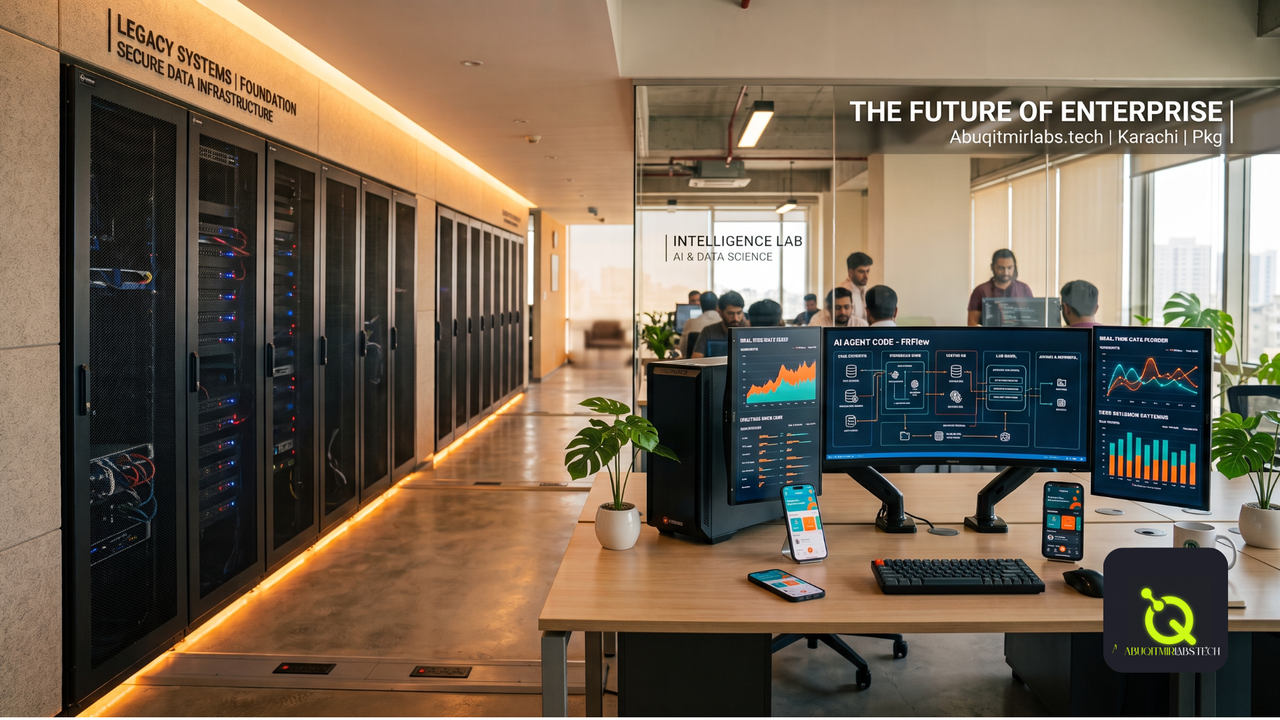
There is a particular kind of CTO or IT director who finds their way to this page. They are not starting from scratch — they have a system that has been running for seven, ten, sometimes fifteen years. It works. It holds the business together. And now the board wants AI in it by Q3. The question is never really "should we modernize?" It is always the harder one: how do we add intelligence to something that cannot afford to go down?
Most guides tell you how to vet a mobile app development company's code quality. Almost none tell you whether they'll make sure anyone finds your app. Here's the complete 2026 framework.
A complete comparison of Flutter vs React Native covering performance, costs, scalability, UI design, startup use cases, and future trends in 2026.
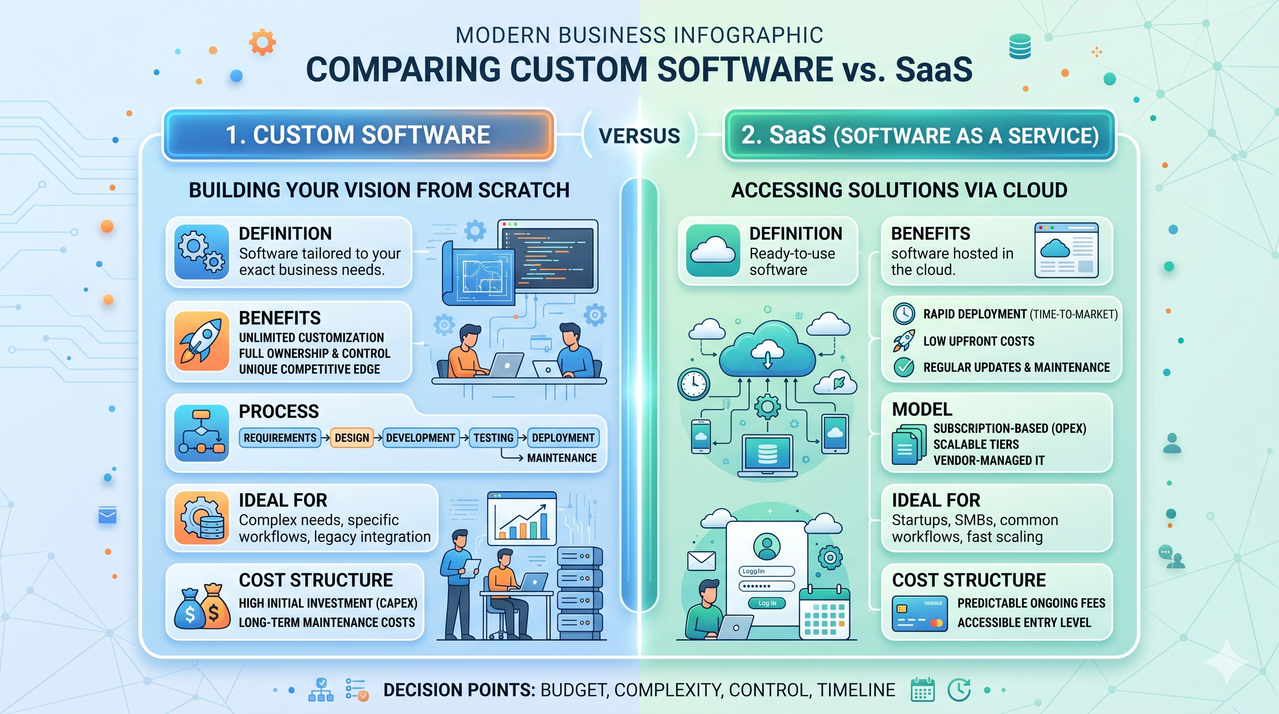
Complete comparison of custom software vs SaaS including scalability, automation, AI integrations, software costs, workflow flexibility, and business growth strategies.
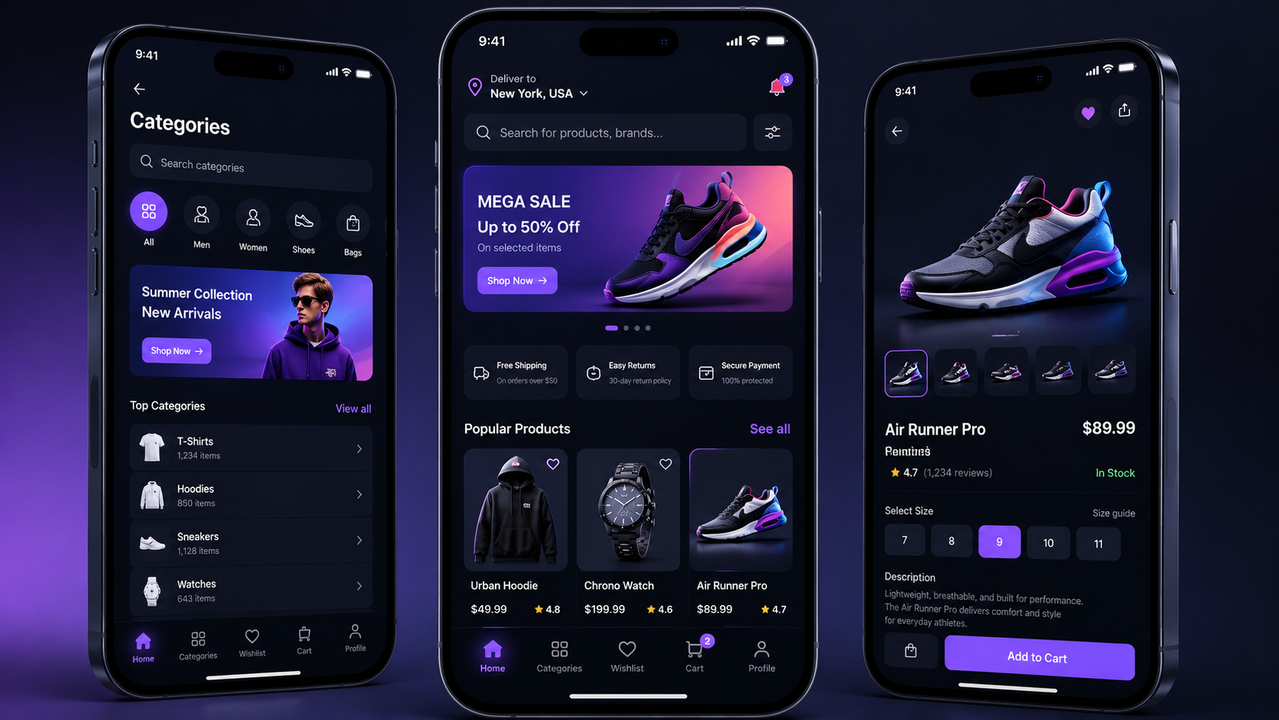
Complete guide to e-commerce app features covering AI shopping systems, checkout flows, personalization, app development costs, and mobile commerce trends.
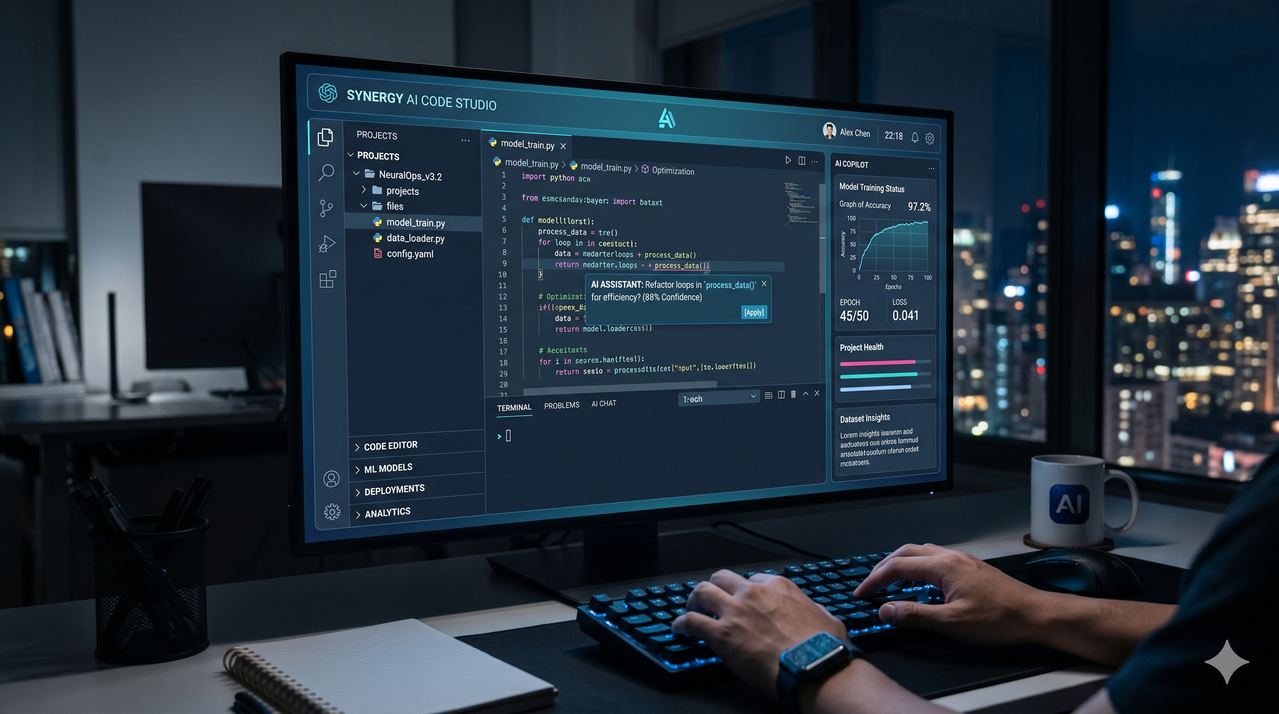
Explore the best AI tools for software development in 2026 including AI coding assistants, frontend generators, no-code app builders, testing automation tools, and AI-powered developer workflows.
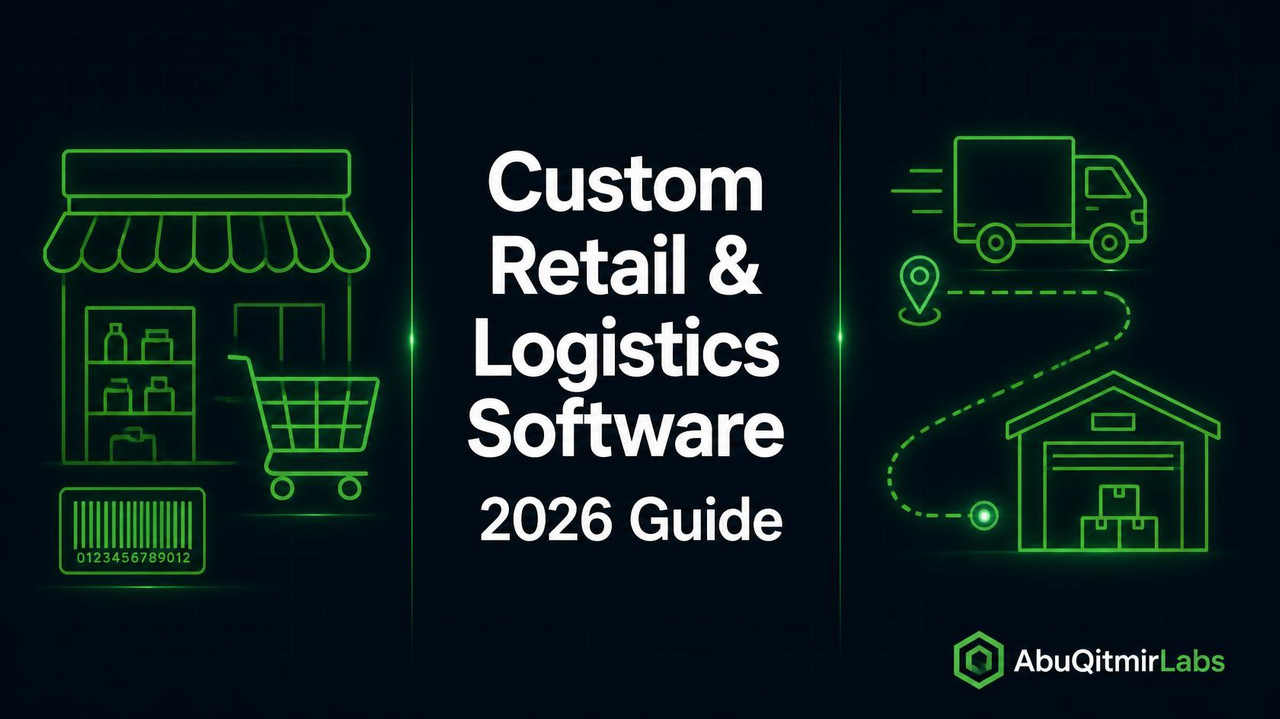
What custom retail and logistics software development actually involves POS systems, WMS, TMS, fleet tracking, AI supply chain, and e-commerce platforms built for your exact operations.
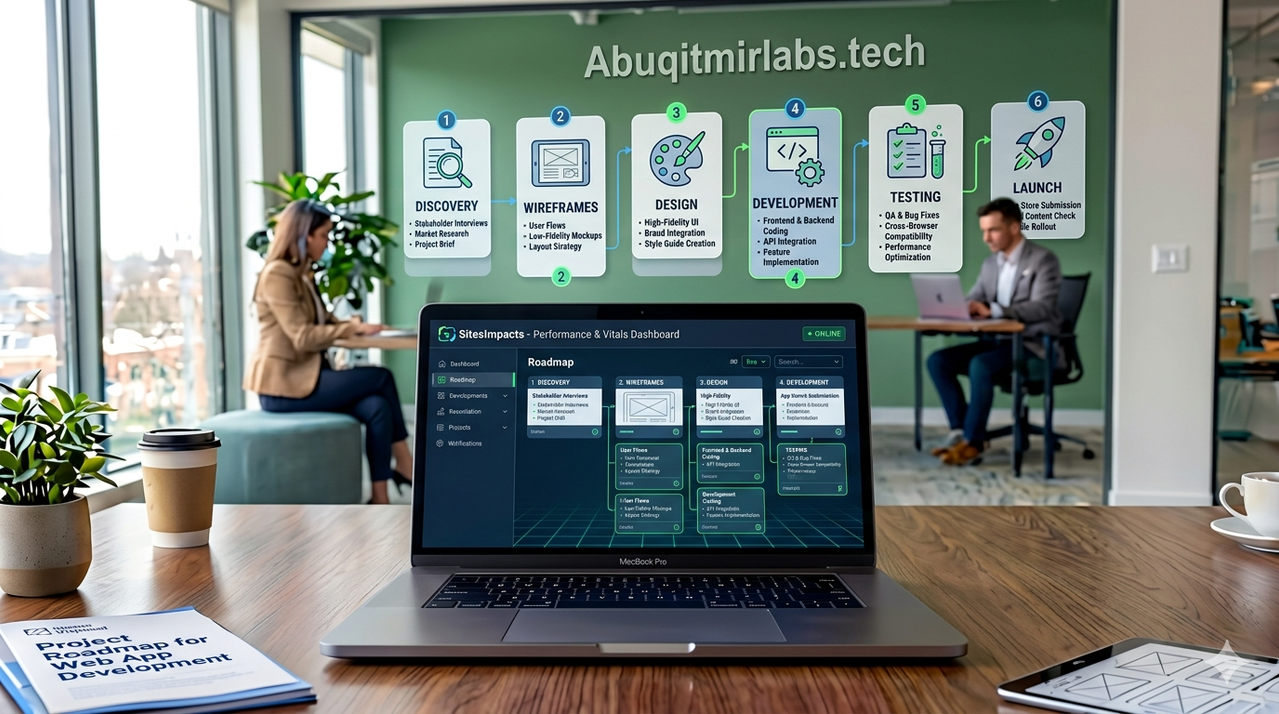
You've probably been quoted for a "custom website" at least once. But most agencies that use that phrase are selling you a customized theme, not a website built from scratch. Here's how to tell the difference before you pay for one and get the other.
Generative AI chatbot costs in 2026 vary dramatically by type: rule-based bots run $5K–$30K, RAG-based bots $30K–$120K, and agentic multi-step assistants $80K–$250K+. This guide breaks down real price bands, the six factors that move the number most, and what GPT-6 Astra changes for enterprise teams — including the hidden 20–35% EU AI Act compliance premium most quotes miss.
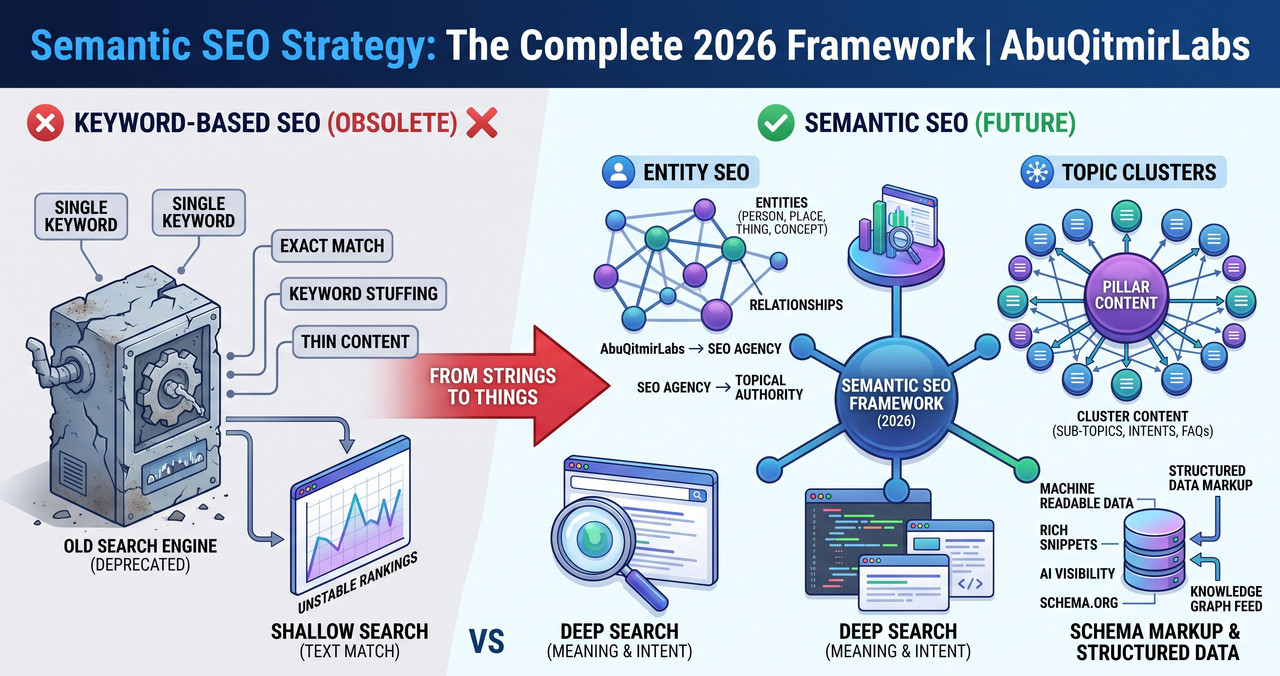
If you're still building content around single keywords, you're optimizing for a search engine that no longer exists. This guide breaks down what semantic SEO actually means, how it differs from keyword-based SEO, and how to build a semantic SEO strategy step by step covering entity SEO, topic clusters, and schema markup.
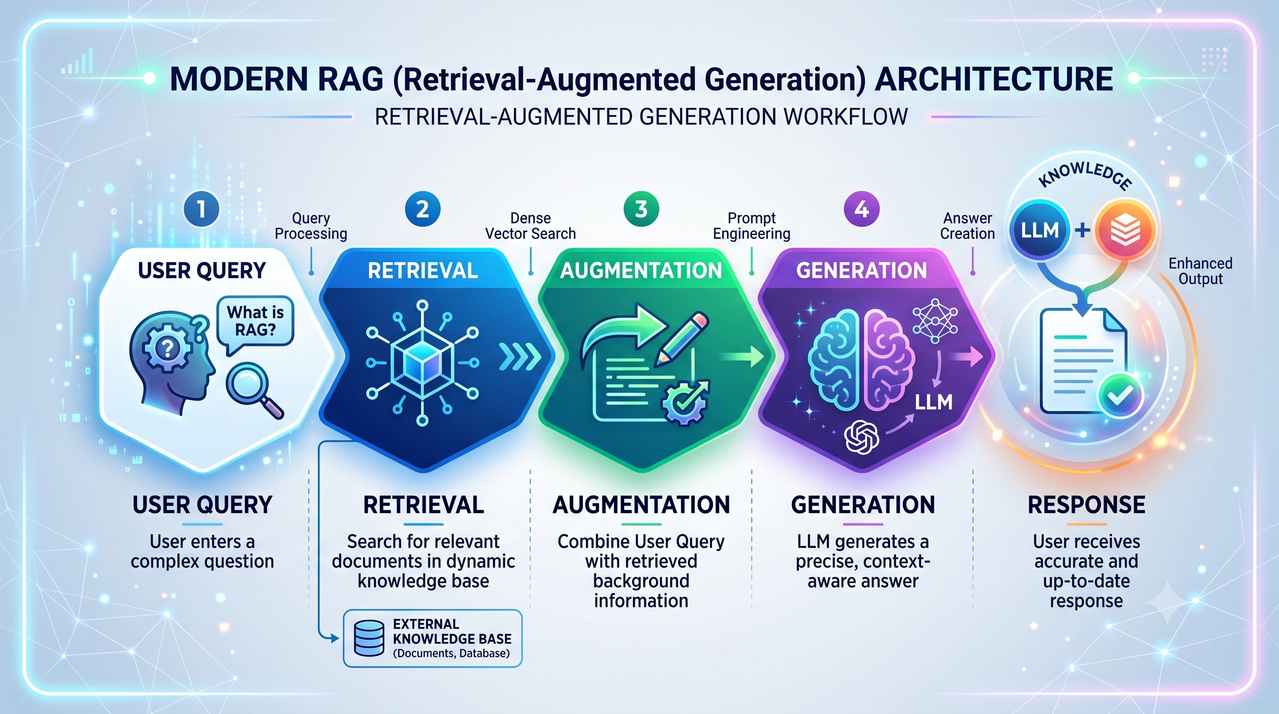
Complete guide explaining what RAG is, how Retrieval-Augmented Generation works, and why businesses are using RAG systems for AI chatbots, customer support, knowledge systems, and business automation.

Ranking #1 next door and #15 across town is the norm for most local businesses, not the exception — which is exactly why "local SEO services" means something more specific and more technical in 2026 than optimizing one Google Business Profile and hoping for the best. This guide breaks down the three pillars that actually move local rankings, why a single generic "Services" page can't compete for location-specific searches, and how programmatic SEO — done properly, not as a shortcut — lets multi-location businesses capture visibility across an entire region without triggering the thin-content penalties Google now actively watches for.
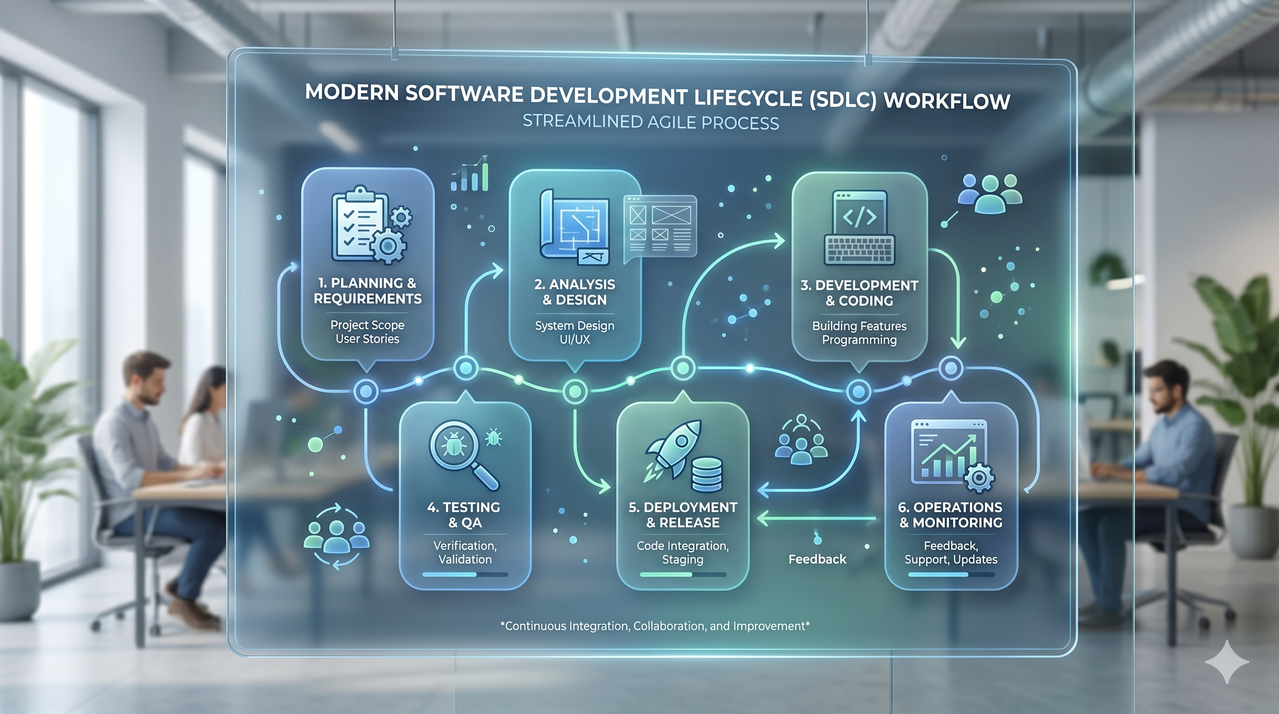
Complete guide to the software development lifecycle in 2026 including agile workflows, software architecture, testing, cloud deployment, AI integrations, and scalable software systems.
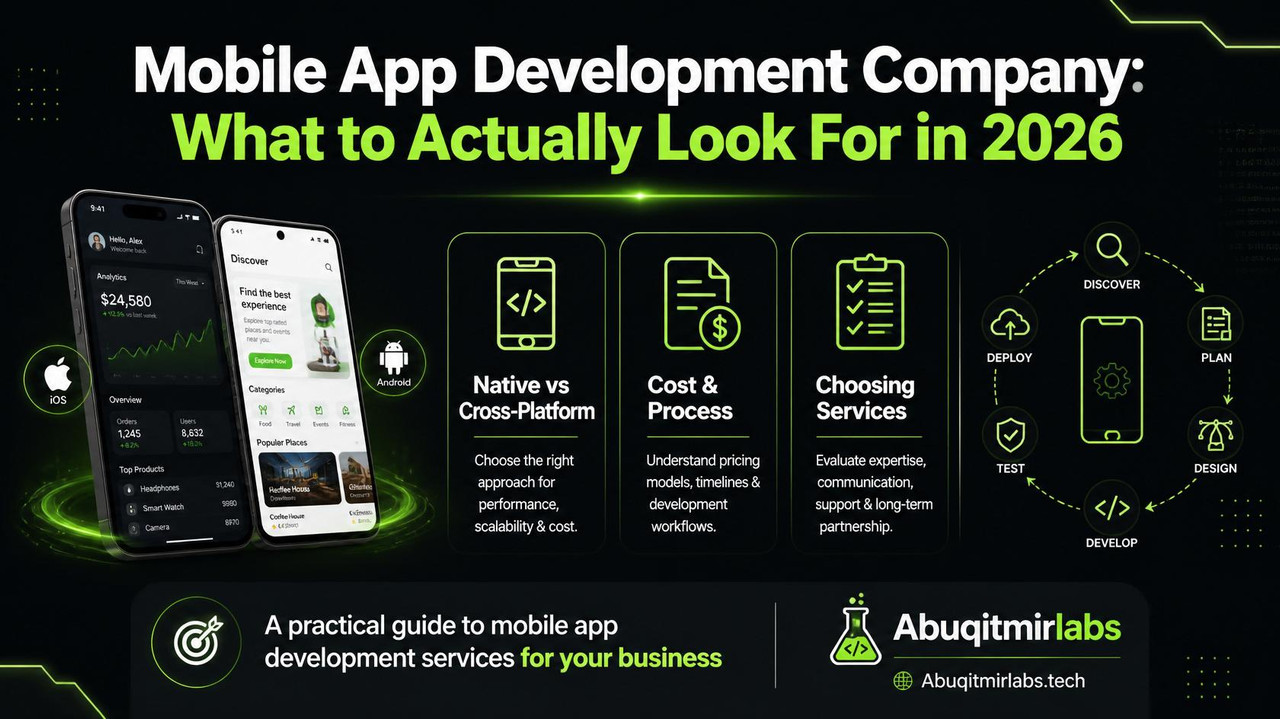
What does a mobile app development company actually build? A practical guide to native vs cross-platform development, cost, process, and choosing the right mobile app development services for your business.
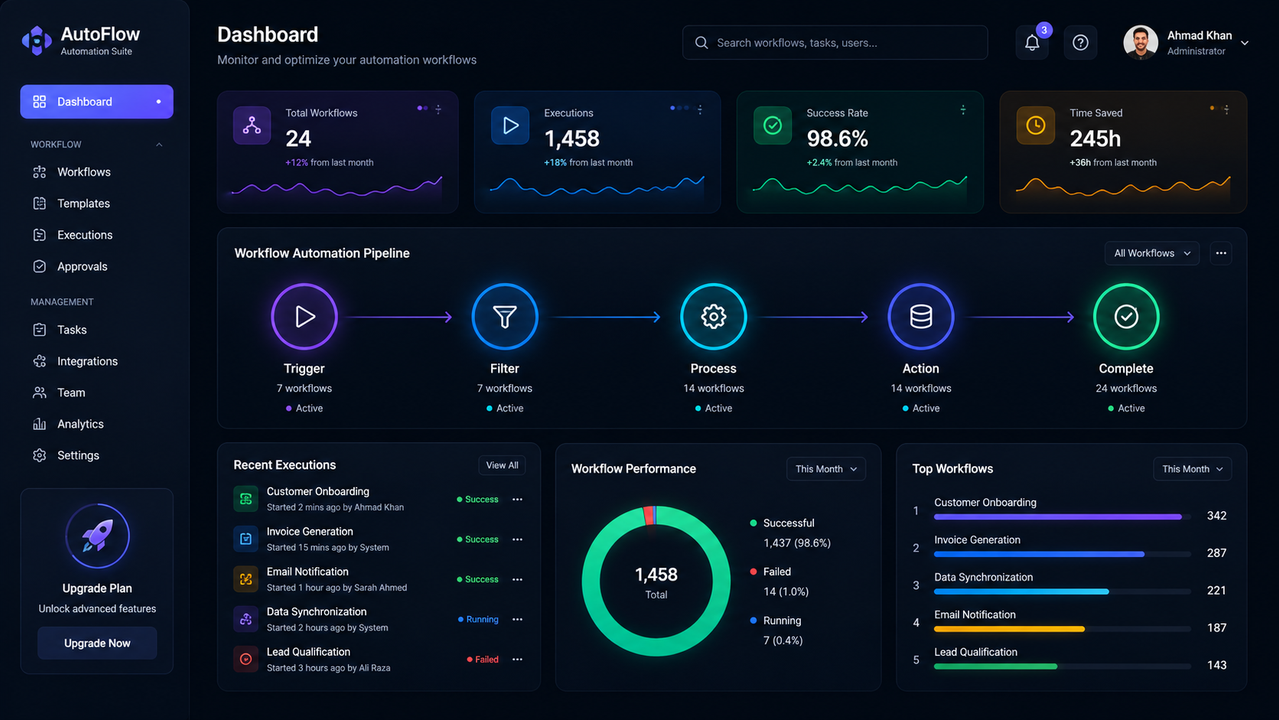
Complete guide to business automation software in 2026 including workflow automation systems, AI-powered business processes, automation strategies, scalability, and operational cost reduction.
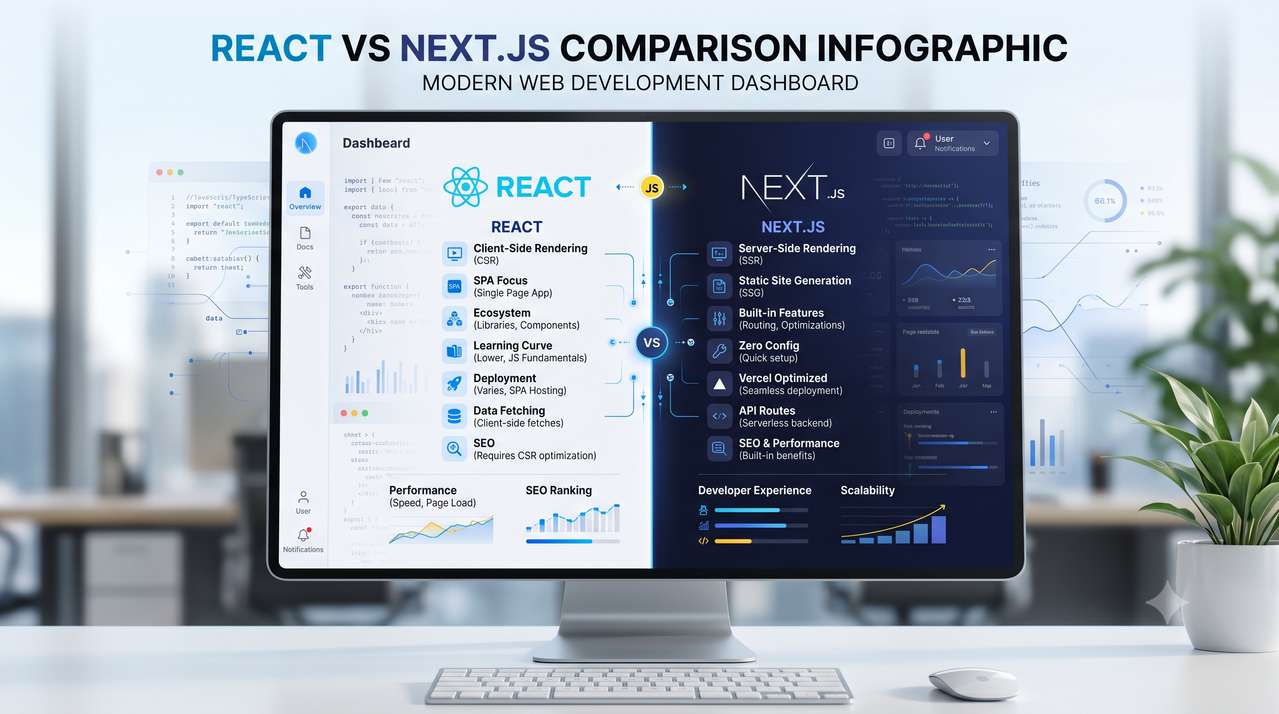
Complete guide comparing React vs Next.js for business websites in 2026 including development costs, SEO benefits, website performance, scalability, long-term maintenance, and custom web development strategy.

You approve a design. Your business runs on it for months. Then an AI tool gets updated, you regenerate something using the same instructions, and the output has quietly changed — a different layout, a different tone, a different structure than the one you signed off on. Nothing was broken. It was simply overwritten by a newer model's confidence that its version was better. Version control is the practical, immediate defense against this not a fix for why it happens, but a way to make sure you're never left without the version you actually approved.

Website visitors expect pages to load almost instantly. When a website is slow, users become frustrated, leave before taking action, and often choose a competitor instead. This article explains why website speed matters, how it impacts user experience and conversion optimization, and what businesses can do to improve performance.

Enterprise AI has a new report card — and this time, it's not grading token volume. For two years, companies measured AI success by adoption metrics: how many employees used the tools, how many queries were run, how many tokens flowed through the systems. "Token" became a corporate vanity metric, a proxy for being AI-forward. That era is ending. In conversations with founders and operators, a clear shift has emerged: enterprises are moving from "token-maxxing" — consuming as much AI as the budget allows — to "value-maxxing," where every dollar of AI spend must justify itself in business outcomes. This is the accountability era of enterprise AI.
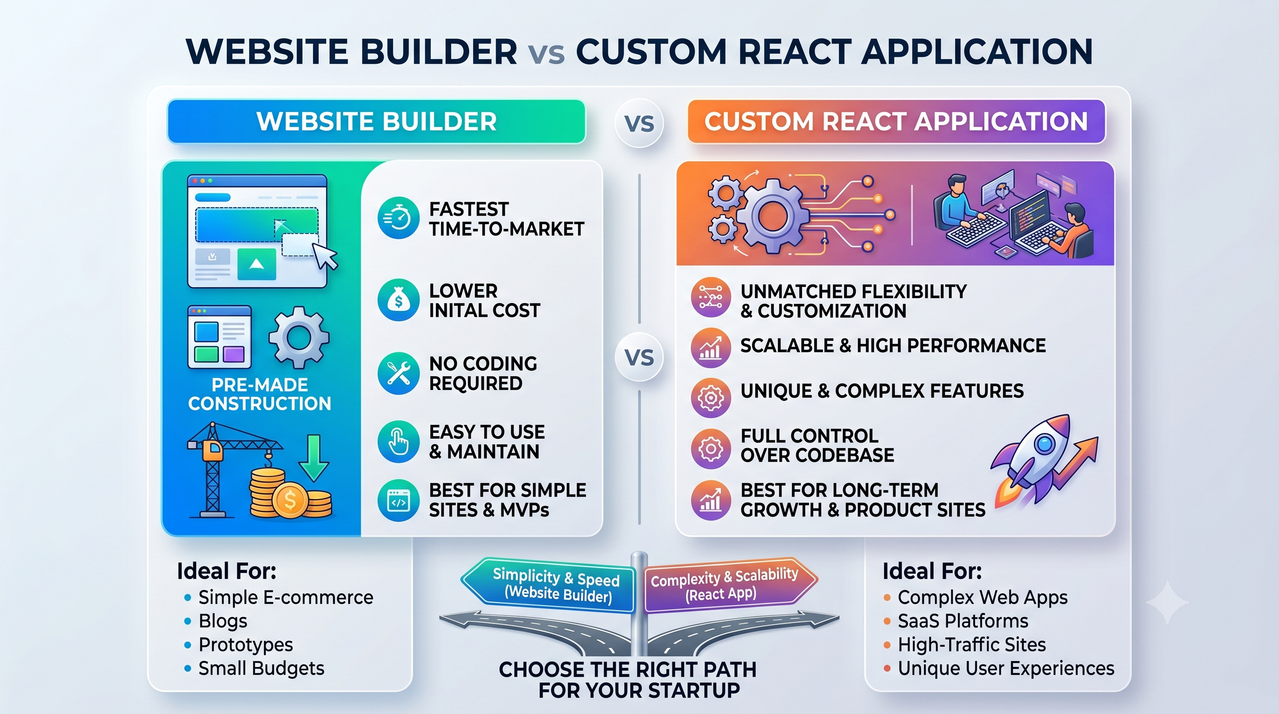
Learn why startups are increasingly choosing custom React web applications instead of drag-and-drop website builders. Explore scalability, performance, business automation, SaaS growth, and long-term development advantages.
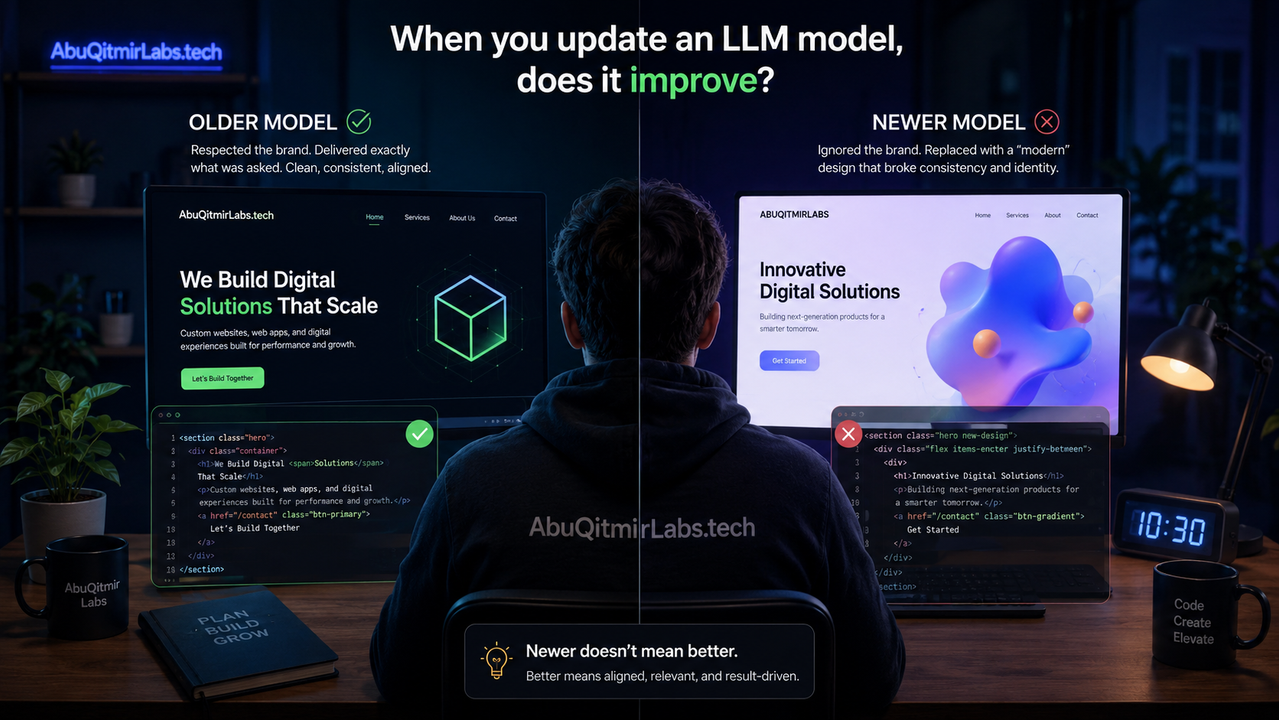
Your AI model just rejected your proven solution and suggested something "better." Why does it think it knows better than you? The answer lies in how newer models are trained. It's called RLHF (Reinforcement Learning from Human Feedback), and while it makes models smarter in many ways, it has a profound side effect: **it trains them to be arrogant about overriding human choices.** This article explains why this happens, what you're paying for it, and what you can do about it.
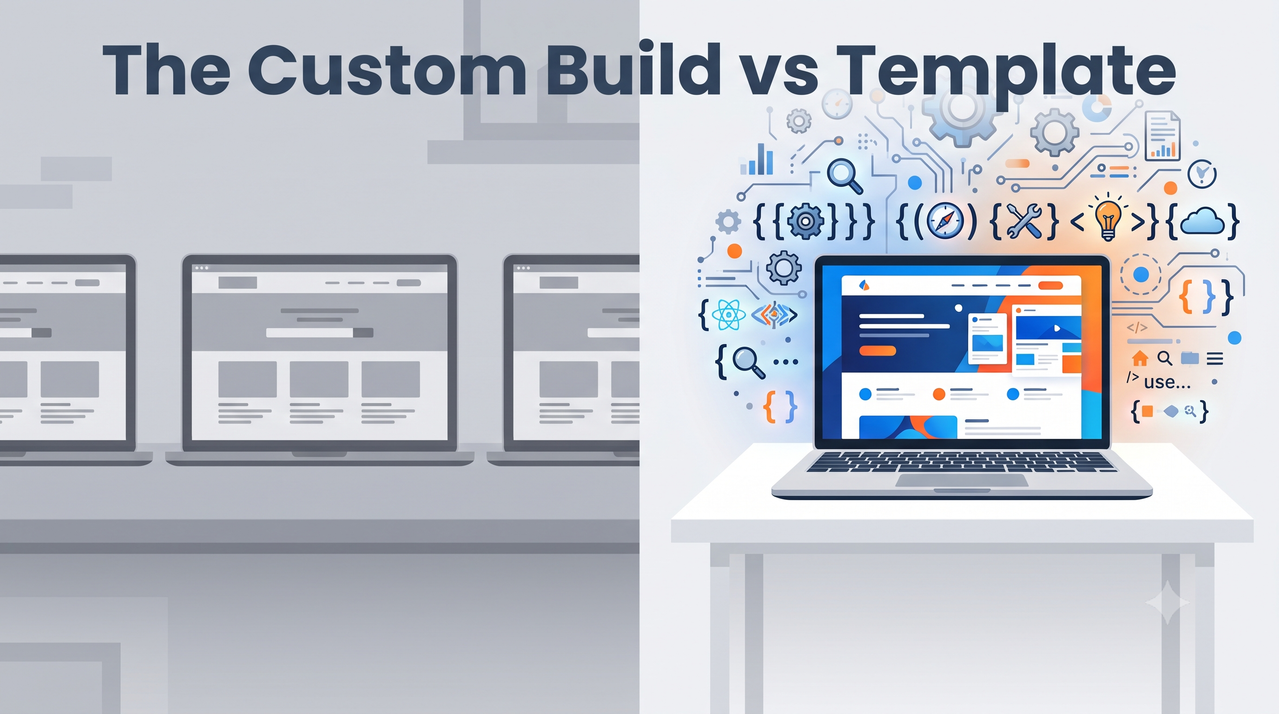
AbuQitmirLabs is a custom web development company in Karachi building fast, scalable websites and web applications with React and Next.js — for startups launching their first product and SMEs replacing a website that no longer represents their business. Every project is engineered around your specific goals, not assembled from a template.
Complete guide comparing native vs hybrid apps including Flutter, React Native, performance, costs, scalability, and startup development strategy.
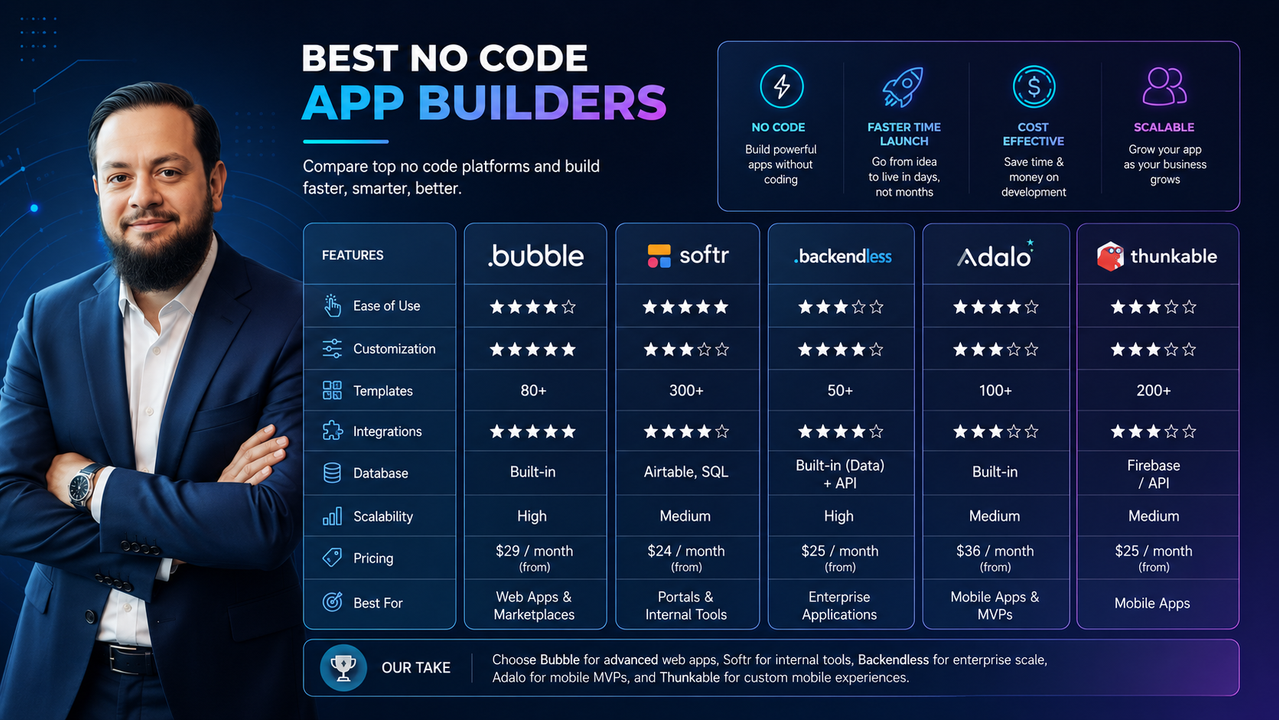
Explore the best no-code app builders in 2026 for startups, businesses, and AI apps. Compare FlutterFlow, Bubble, Glide, Adalo, and more.

React and Next.js have emerged as one of the most powerful technology stacks for SaaS product development. This article explores why businesses choose this combination for building scalable, SEO-friendly, and high-performance SaaS applications, and how it supports long-term business growth.

There is a particular kind of business owner who has already tried the obvious options — a freelancer who disappeared, an agency that delivered something close but not quite right, an in-house hire who couldn't keep pace with the roadmap. This is the story of what happens after that search ends, and why so many of those searches now end in Karachi.
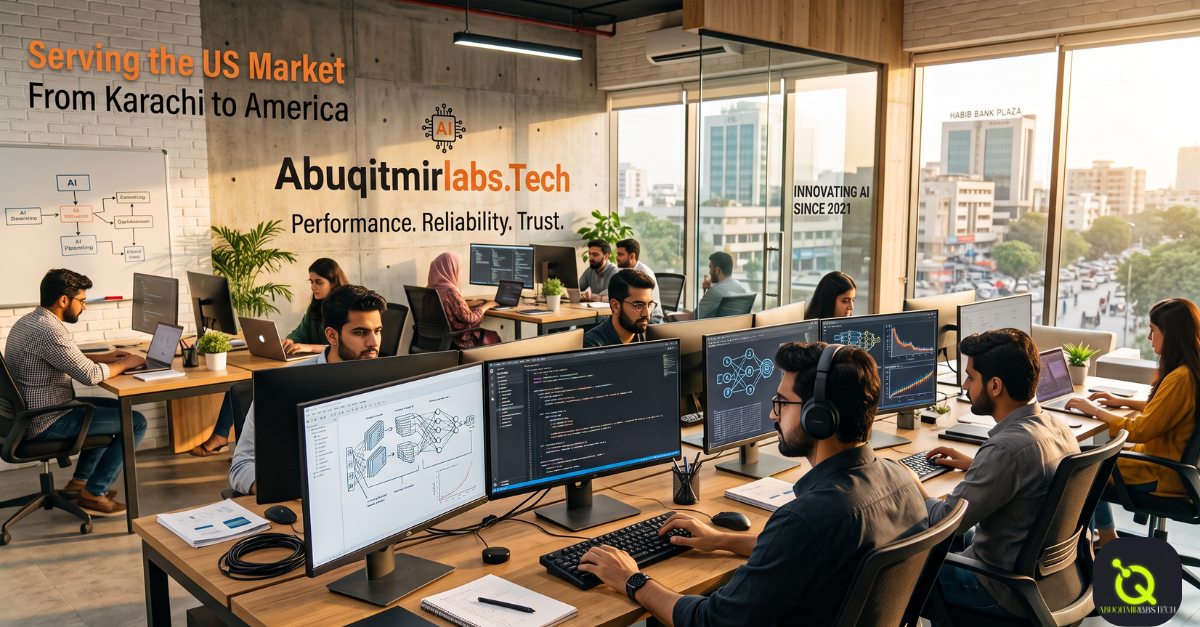
There is a particular kind of business leader who has already tried the obvious AI options — a chatbot wrapper that couldn't answer anything beyond the script, a generic model that hallucinated company data, an off-the-shelf solution that almost worked but couldn't be trained on proprietary information. This is what happens when AI stops being a novelty and starts becoming genuine operational intelligence.
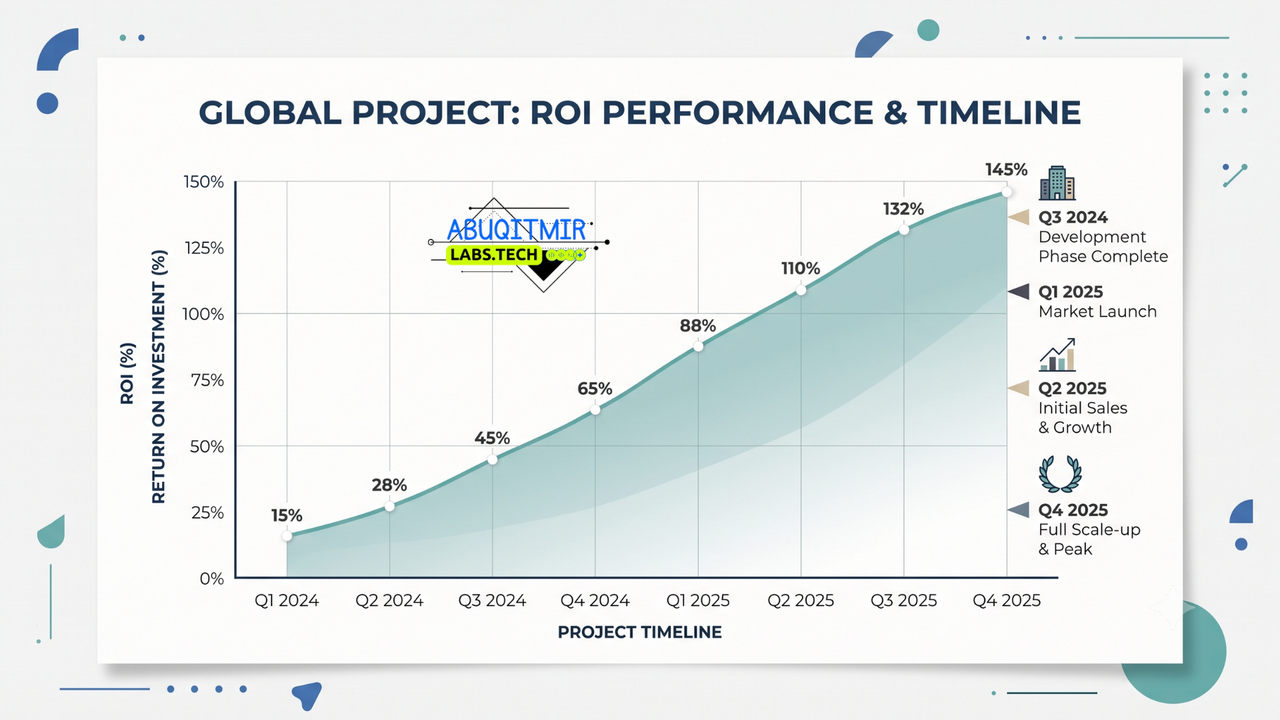
ROI of digital transformation, digital transformation ROI, measuring digital transformation success, digital transformation strategy, custom software development company, enterprise digital transformation, digital transformation consulting, Karachi Pakistan software
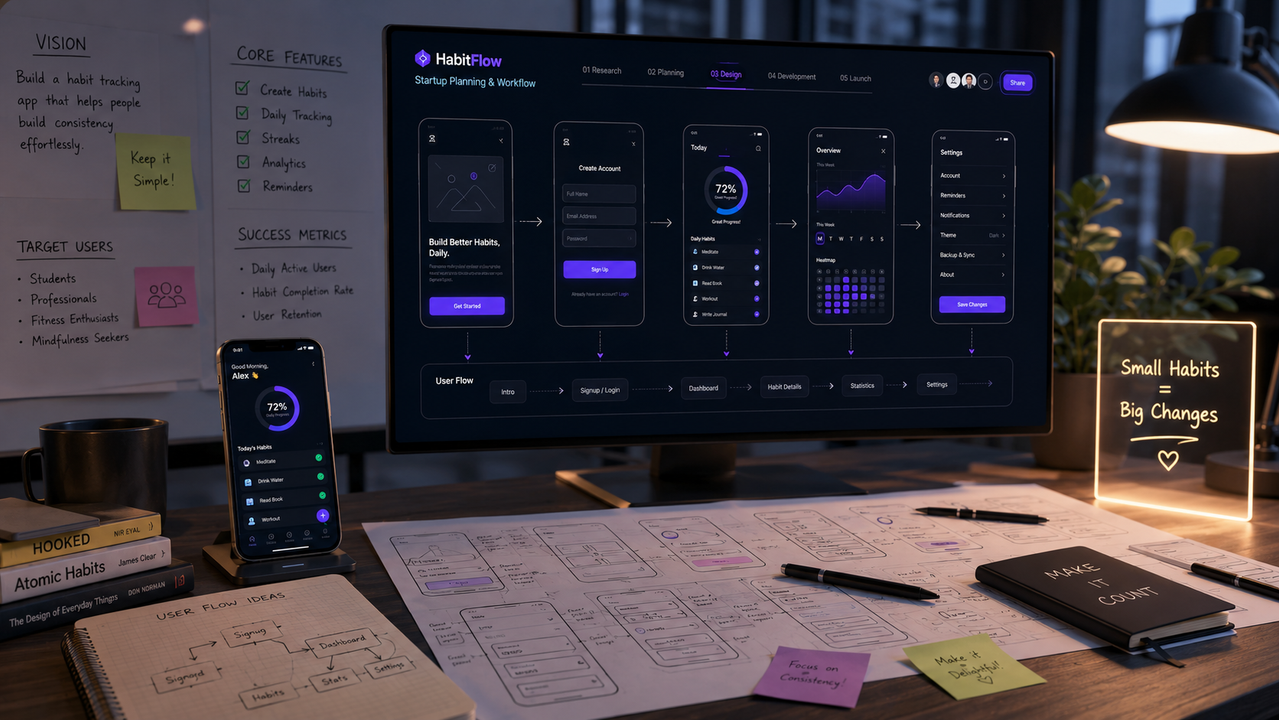
Complete guide to mobile app development before monetization covering retention, MVP strategy, UX optimization, startup mistakes, and scalable app growth.
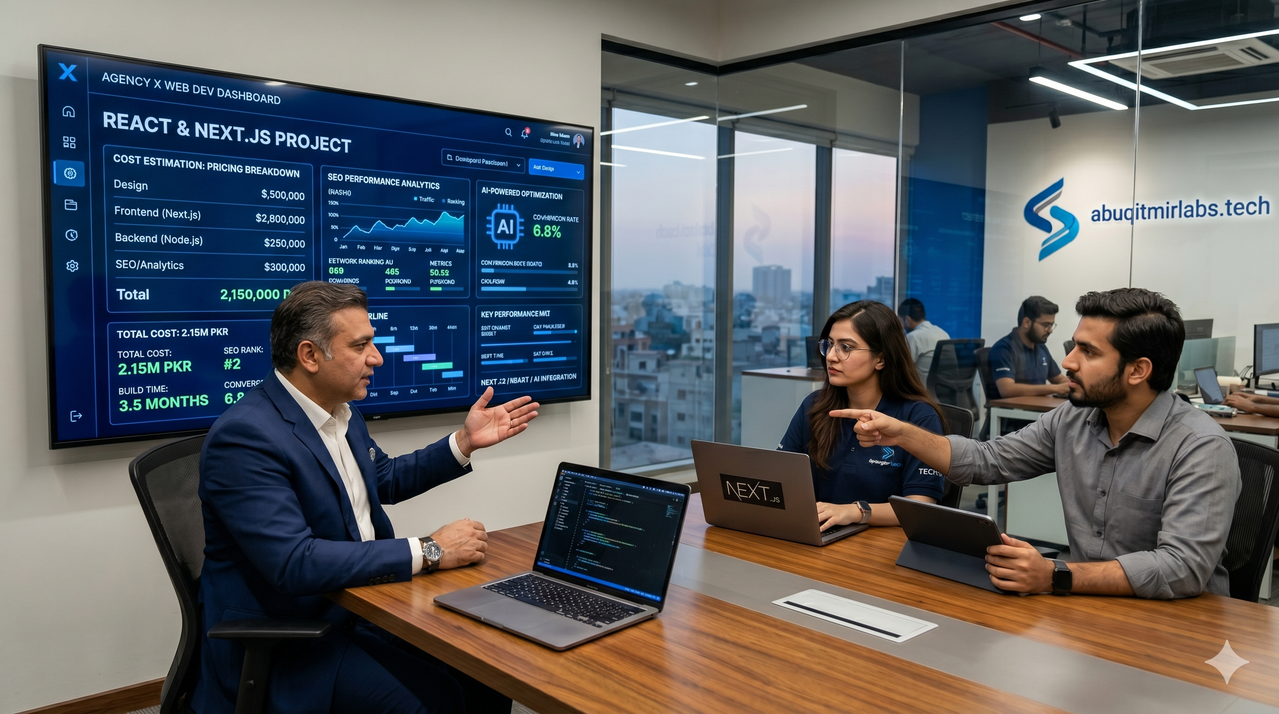
Planning a new website in 2026? Whether you need a landing page, corporate website, eCommerce platform, or SaaS application, understanding development costs helps you avoid overspending and choose the right technology stack. This guide breaks down actual web development pricing in Pakistan and explains what influences project costs.
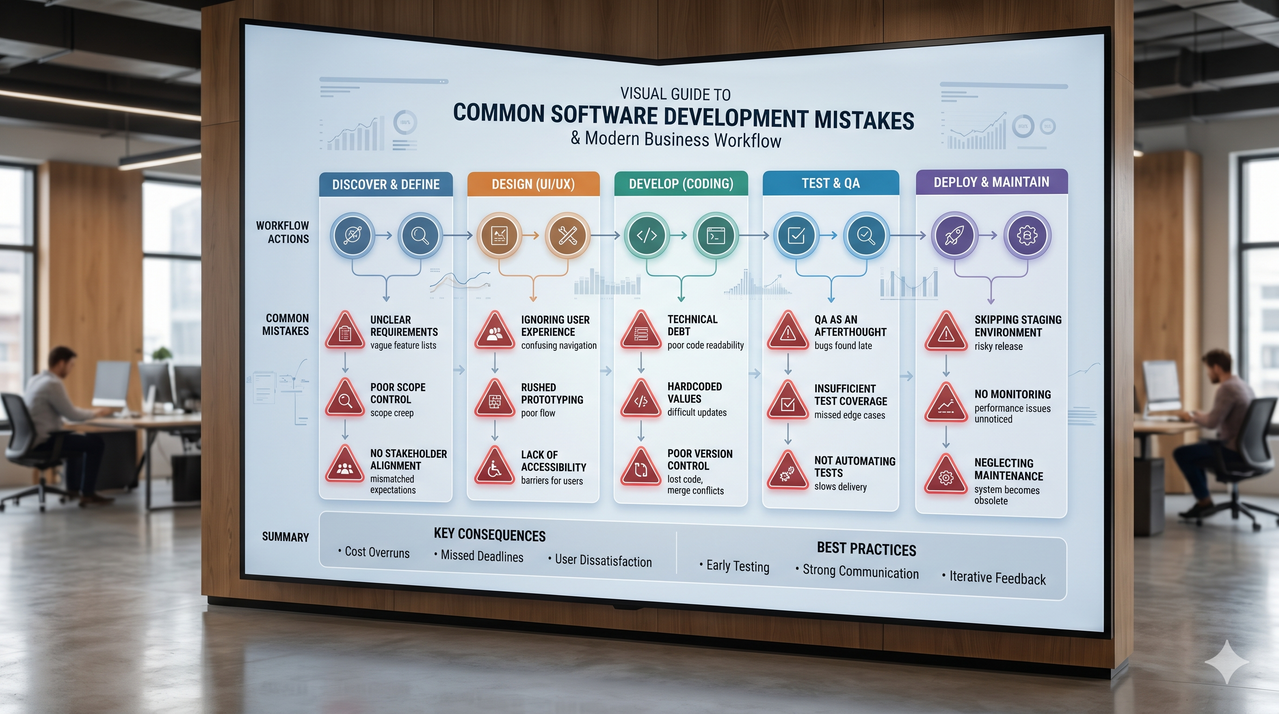
Complete guide to common software development mistakes including startup software problems, project failures, weak scalability, UX issues, and how businesses can build better software systems.

Complete SaaS software development guide for startups covering MVP planning, cloud infrastructure, AI integration, scalable architecture, and SaaS business growth.
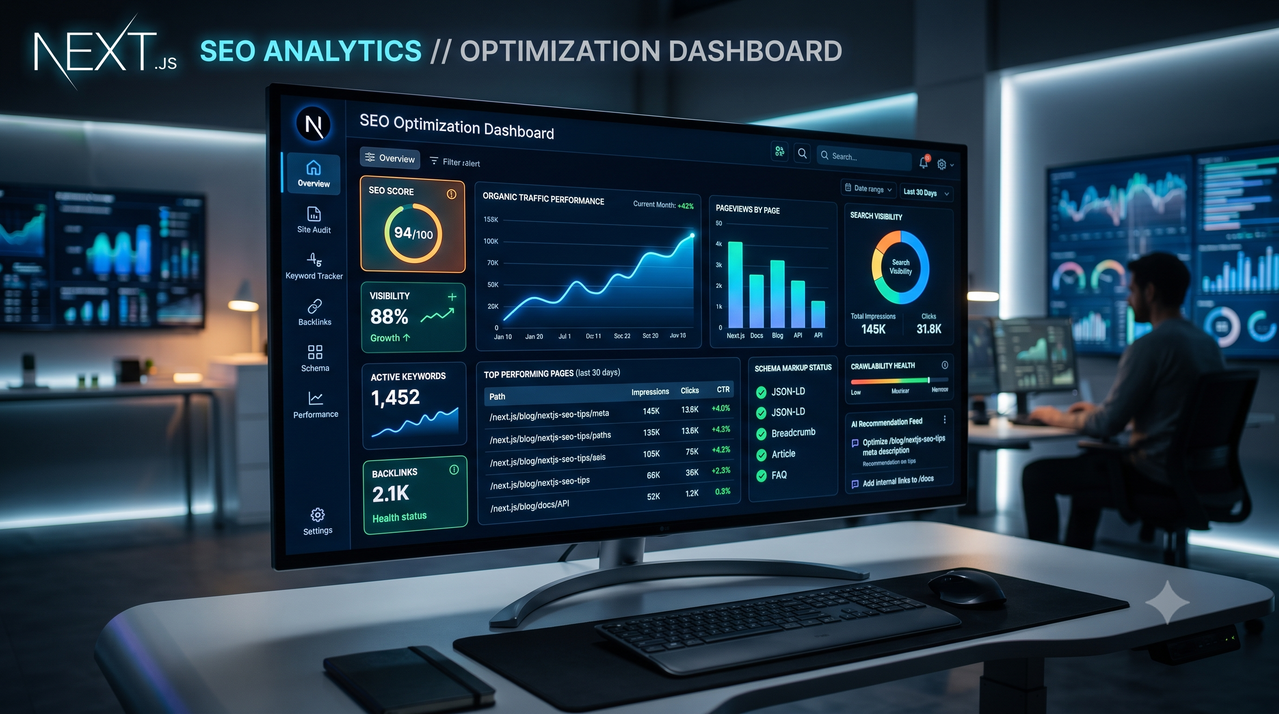
Discover how Next.js improves website performance and search visibility through server-side rendering, static generation, Core Web Vitals optimization, and scalable architecture for modern business websites.
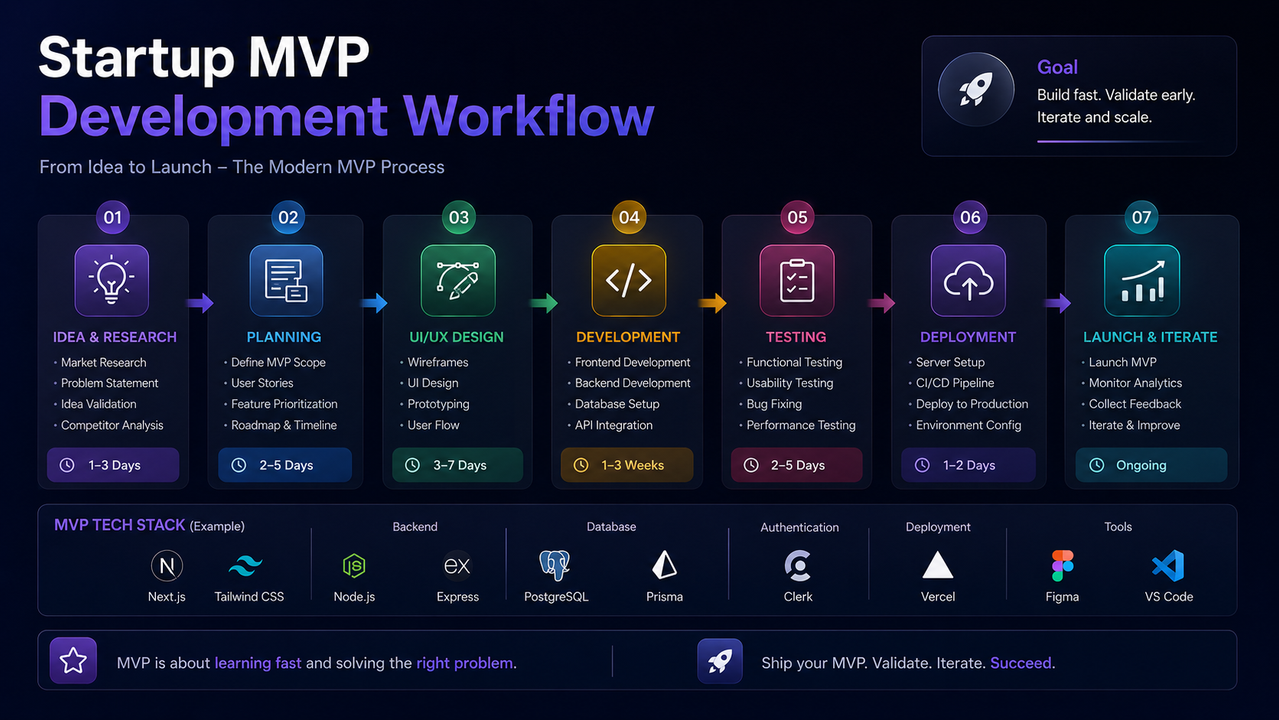
Complete startup guide to MVP software development in 2026 including agile workflows, AI-powered development tools, scalable architecture, startup strategy, and rapid product validation.

Discover how mobile app development works in 2026, including app types, development process, costs, AI trends, and monetization strategies.
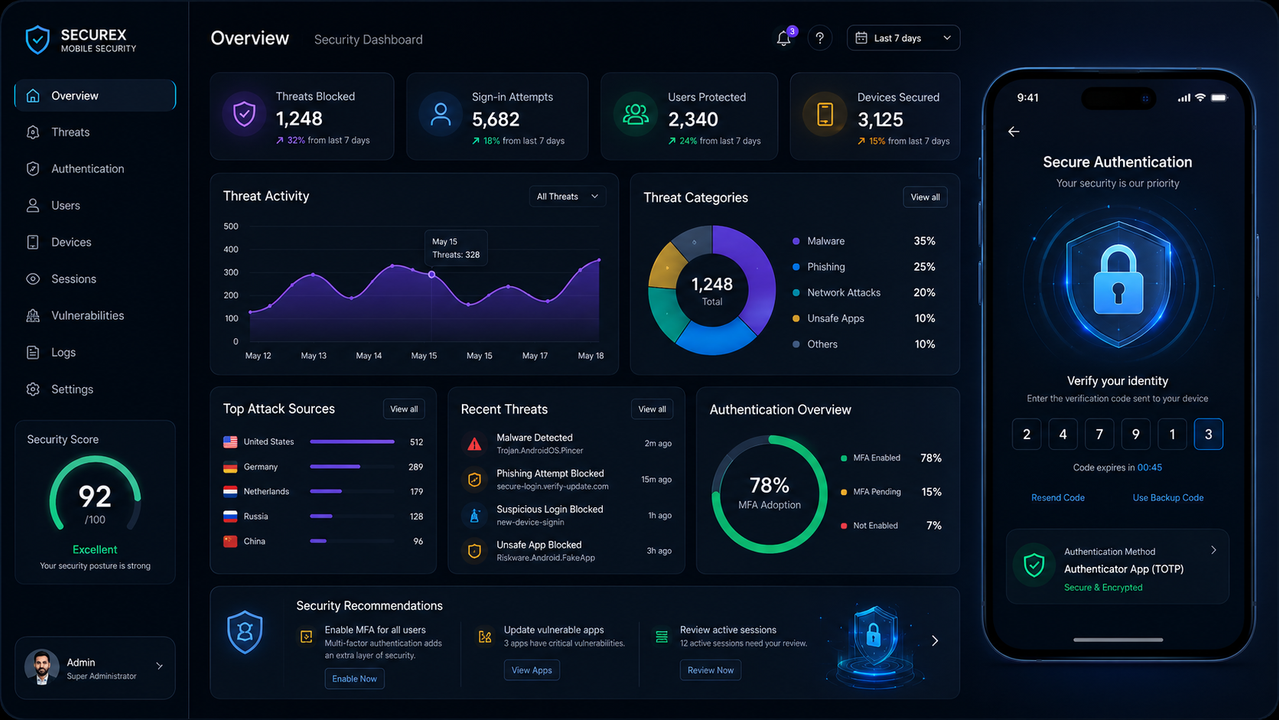
Complete mobile app security guide covering authentication, API protection, encryption, AI security, Flutter, React Native, and app safety best practices.

The JavaScript ecosystem moves fast — faster than most development teams can comfortably keep up with. React and Next.js have evolved from frontend libraries into complete application frameworks, and the next five years will reshape how we think about building for the web entirely. This is what's coming.
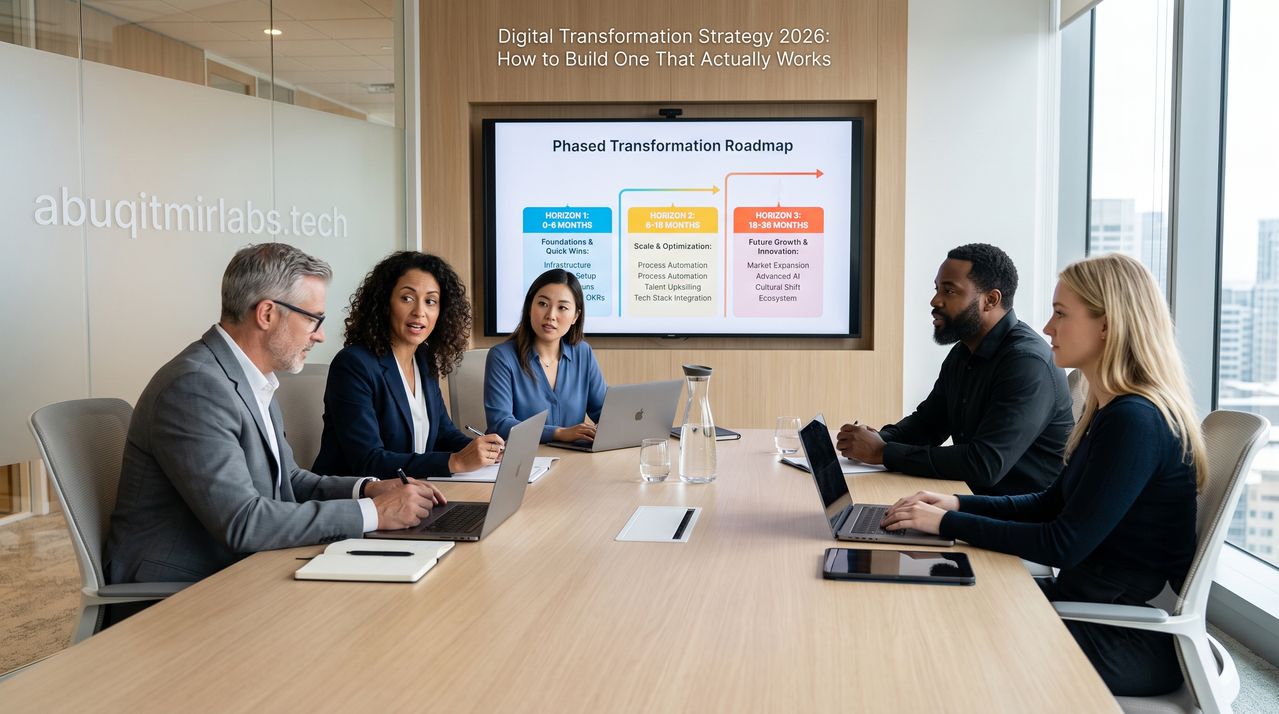
Most digital transformation strategies are written backwards. They begin with a technology selection a new platform, a cloud migration, an AI tool and then build a strategic narrative around the technology that was already chosen. The result looks like a strategy and behaves like a procurement decision. This guide is about writing the strategy the right way around starting with the business outcome and working backwards to the technology, rather than starting with the technology and hoping the outcome follows.

Every web development pitch sounds the same: fast, custom, professional. What separates a good agency from a risky one isn't the pitch — it's how they answer five specific questions before any contract gets signed. Most buyers never ask. Most agencies are relieved when they don't.
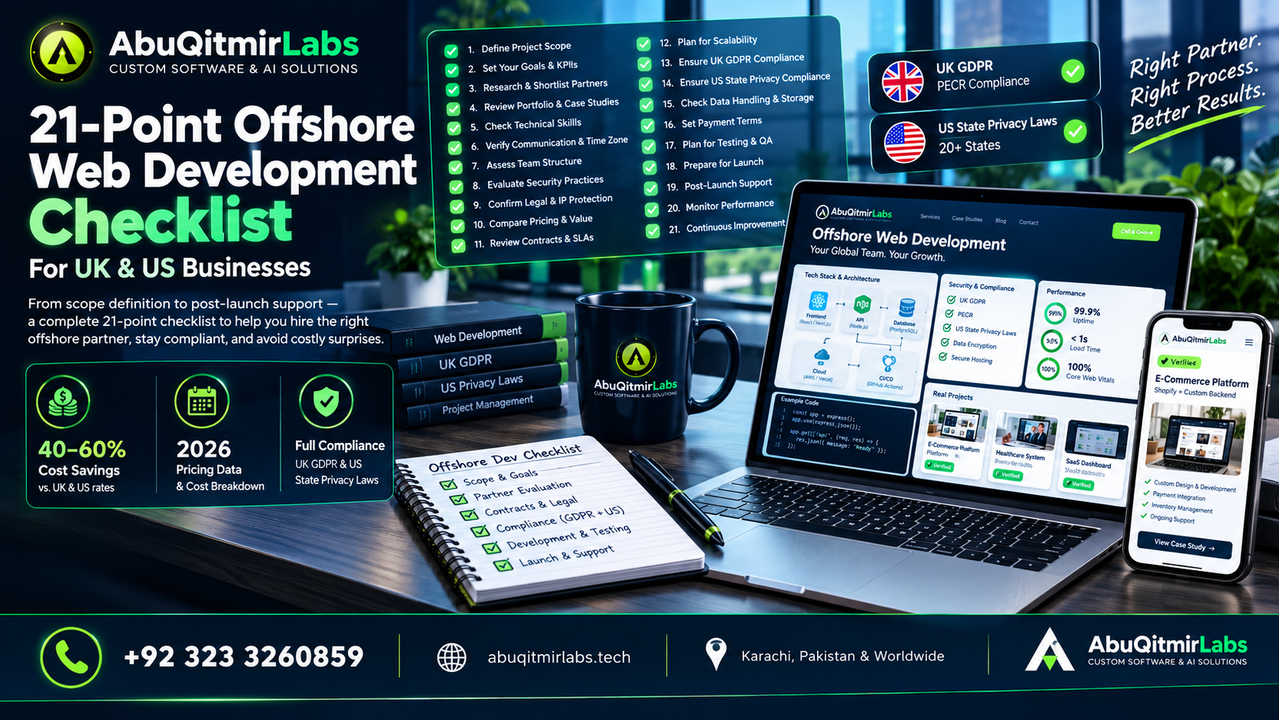
A 21-point offshore web development checklist for UK and US businesses. Covers scope definition, partner vetting, contracts, UK GDPR and US state privacy compliance, and post-launch delivery — with 2026 pricing data and cost breakdowns.
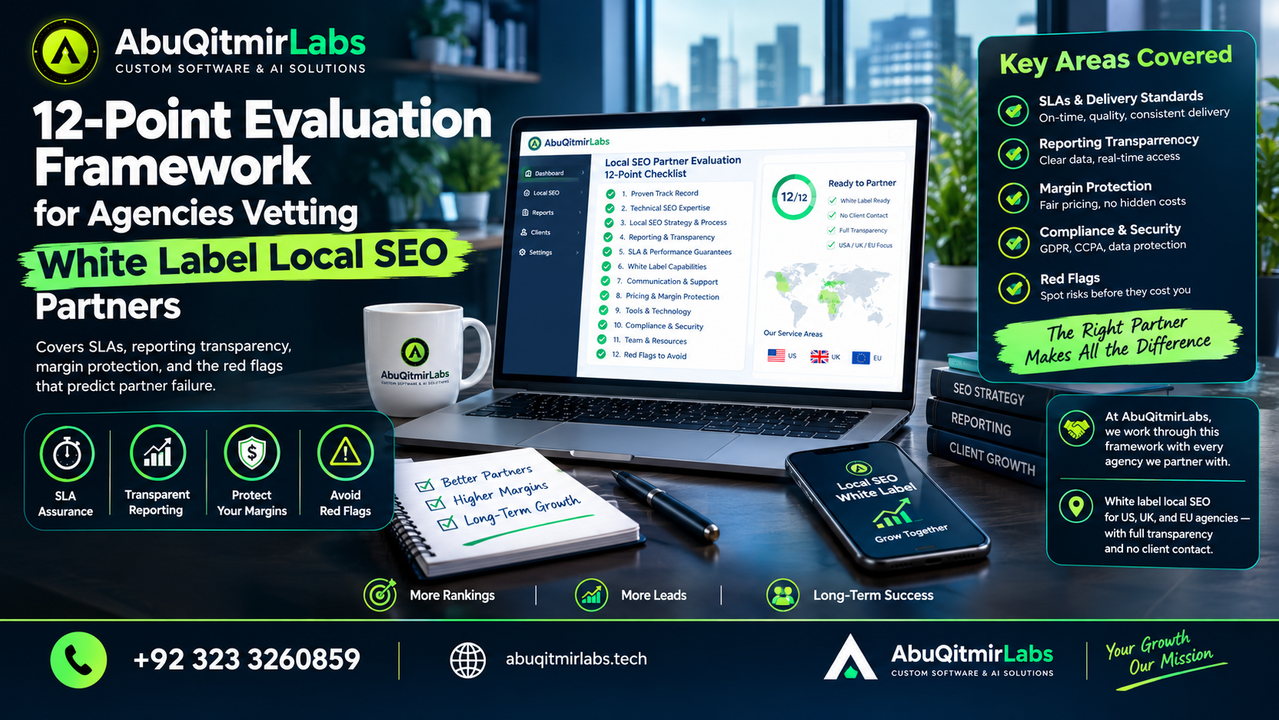
A 12-point evaluation framework for agencies vetting white label local SEO partners. Covers SLAs, reporting transparency, margin protection, and the red flags that predict partner failure.
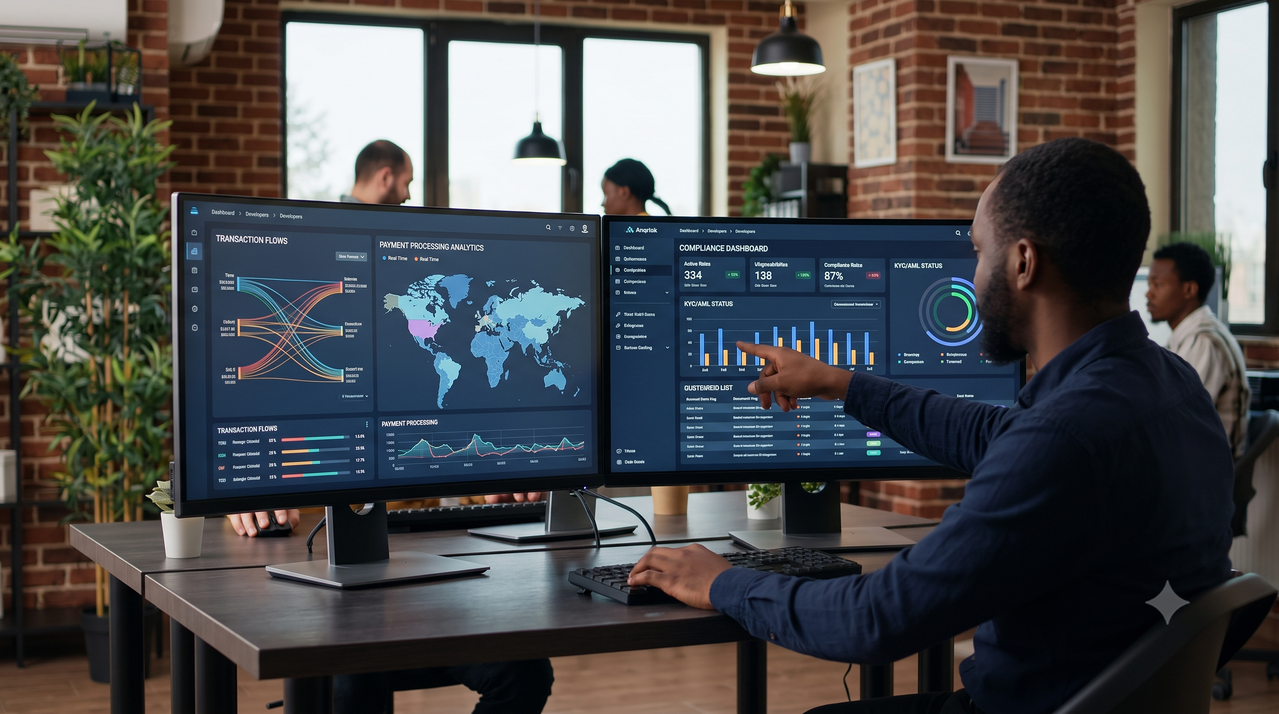
Fintech software has one property that distinguishes it from almost every other category of software: the cost of a bug is not a bad user experience — it is money moved to the wrong place, a regulatory violation, or a security incident. This single property changes almost every architecture, compliance, and development decision a fintech business needs to make — and it is the reason why the generic software approach that works adequately in other industries consistently fails in financial technology.

A comprehensive 2026 guide on why businesses need strategic content writers who combine SEO expertise, brand storytelling, and technical accuracy. Covers modern content writer responsibilities, essential skills, specializations, freelance vs agency decisions, SEO best practices, and a framework for choosing the right content partner. Includes real-world insights from 410+ projects completed for 350+ global clients.

Ask five different agencies how much a mobile app costs, and you'll get five different numbers not because they're lying to you, but because "mobile app" describes an enormous range of actual products. A simple MVP and a fintech platform with compliance requirements are both technically "a mobile app," and their costs differ by a factor of twenty or more. This guide breaks down real 2026 pricing by complexity tier, explains the Flutter versus native decision that affects your budget more than almost anything else, and covers the costs most quotes conveniently leave out until after you've signed.
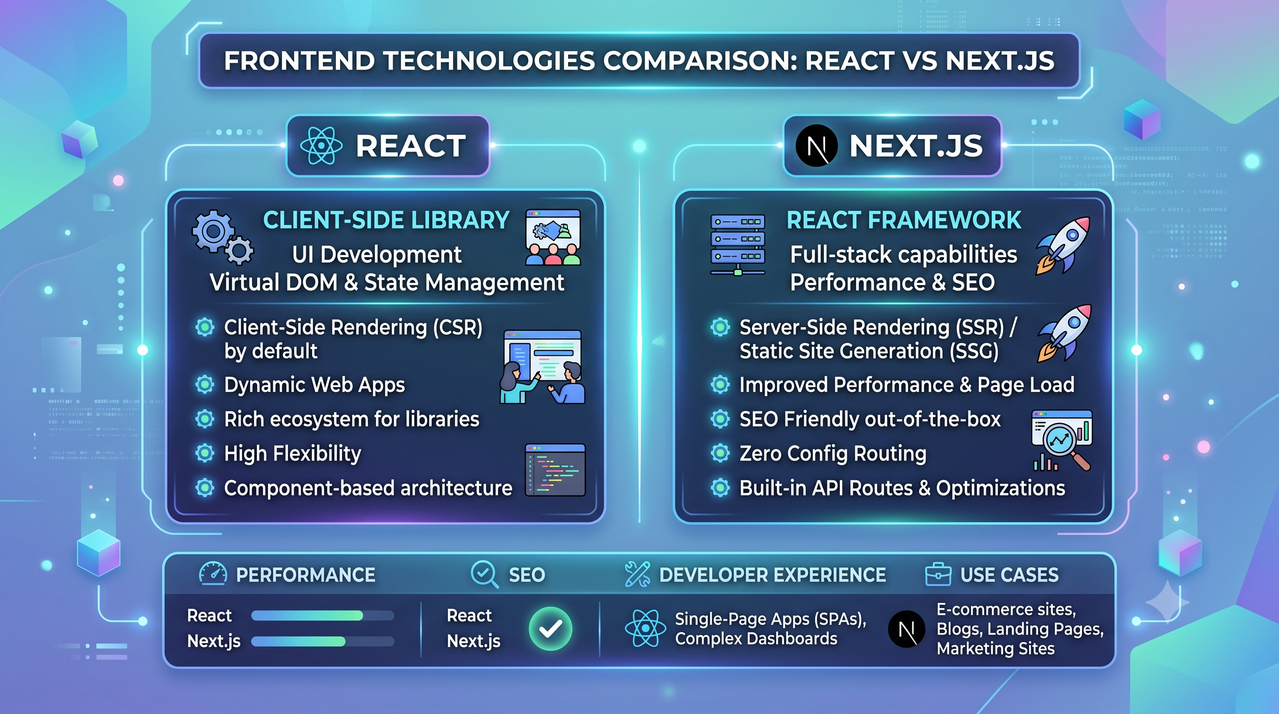
Learn which scalable frontend technologies businesses and startups are using in 2026 to build fast, flexible, SEO-optimized, and future-ready web applications using React, Next.js, and modern development architecture.

Complete guide explaining how to build a Flutter app in 2026 using modern workflows, scalable architecture, AI tools, backend systems, UI/UX principles, and business-focused app development strategies.
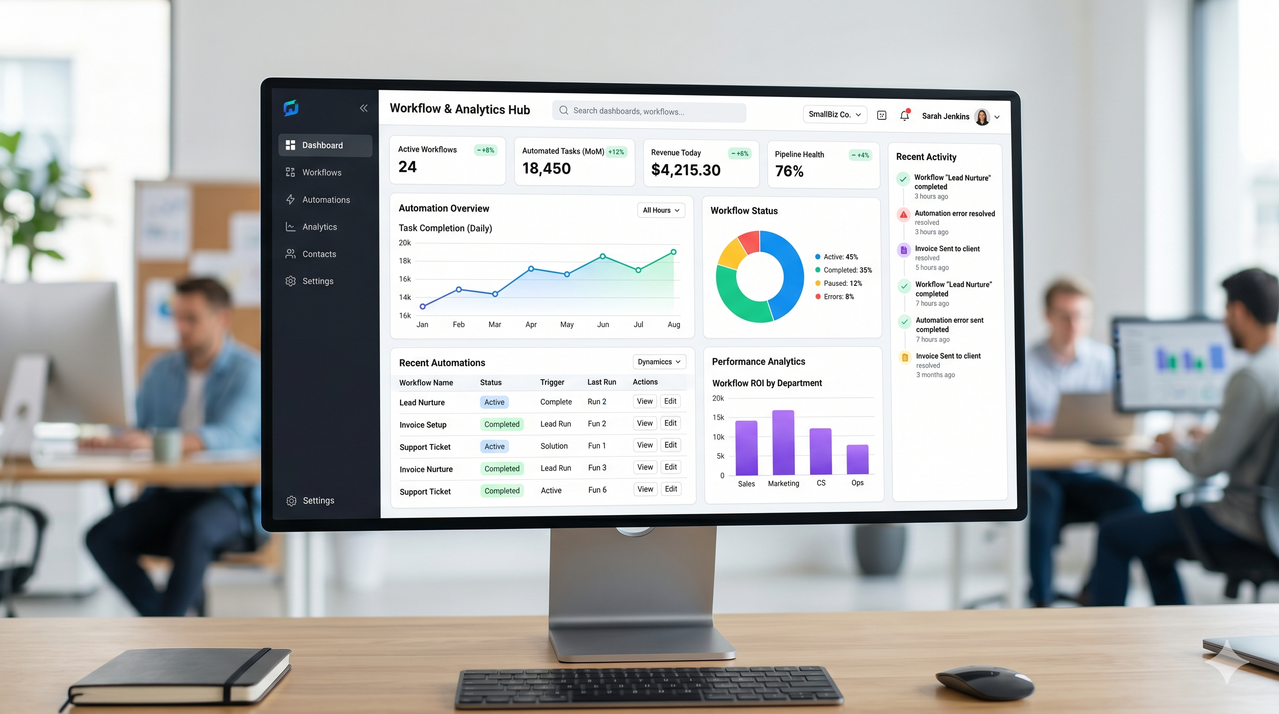
Learn how custom web applications help small businesses automate repetitive tasks, improve operational efficiency, reduce costs, enhance customer experiences, and create scalable workflow automation systems that support long-term business growth.
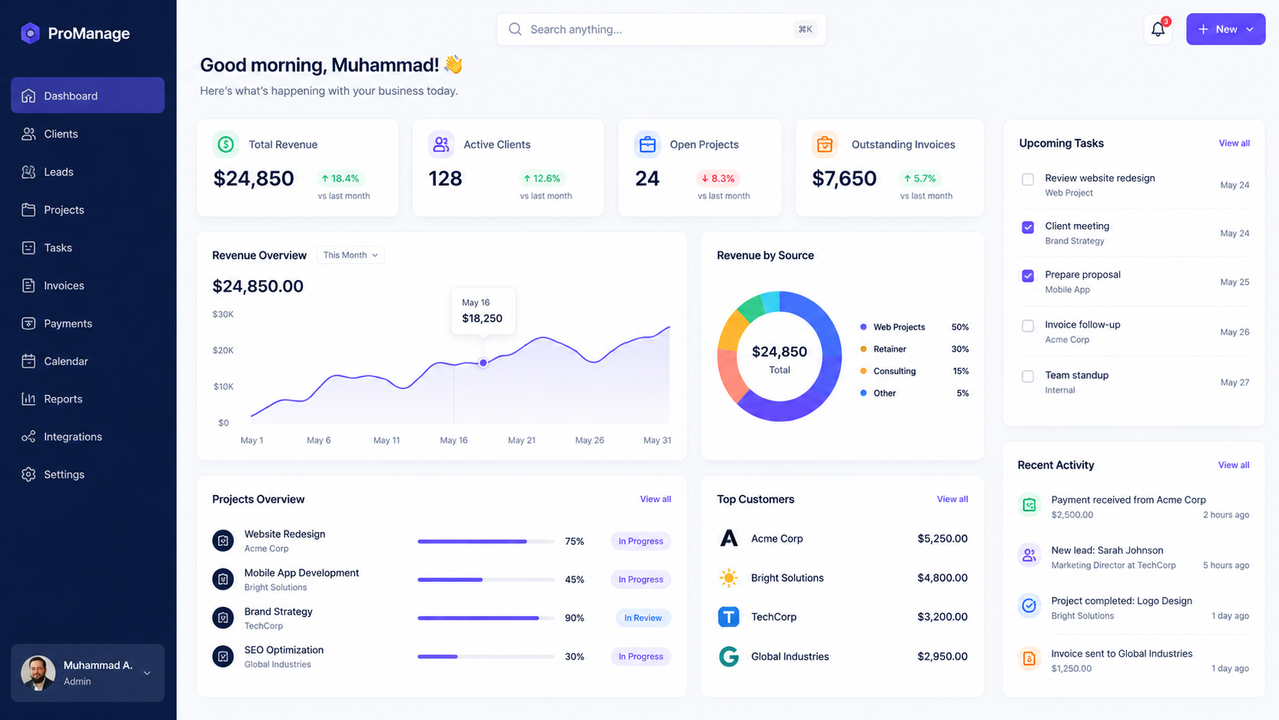
Complete guide to custom software development for small businesses including automation systems, software costs, scalability, AI integrations, and real-world business workflows.
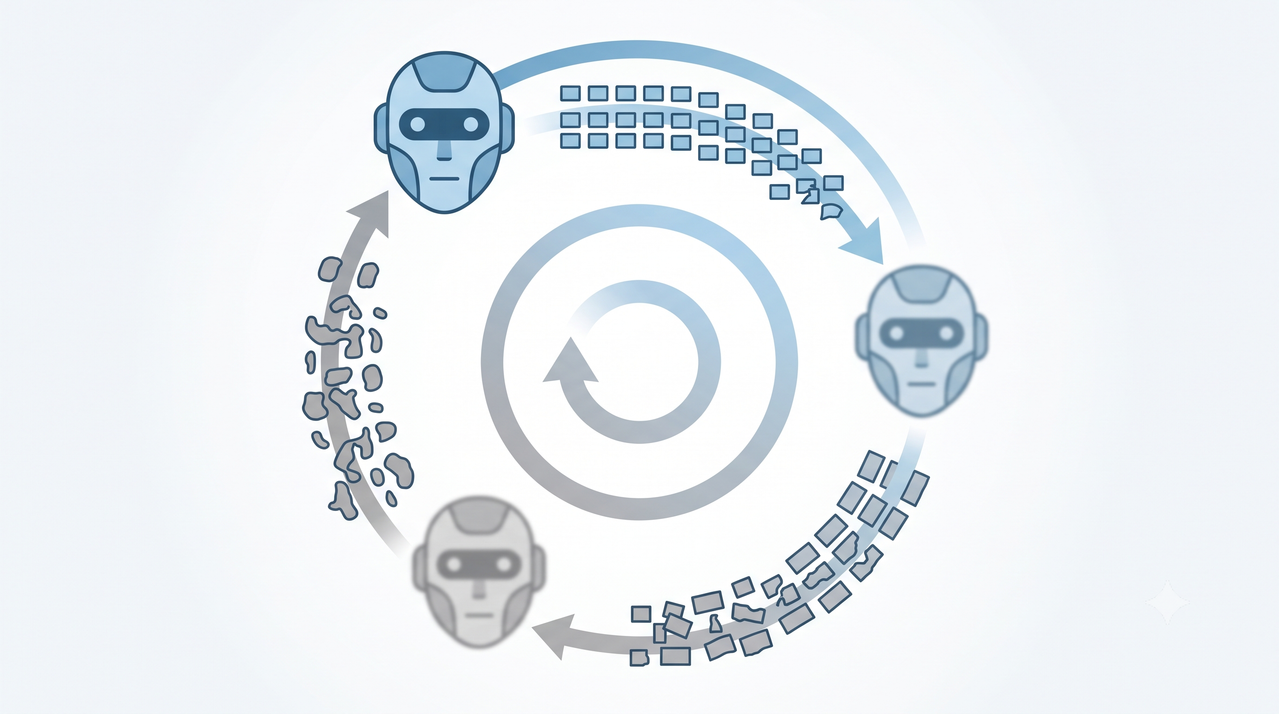
Most conversations about AI quality focus on benchmark scores, capability announcements, and version numbers. Almost none of them address the structural problem that sits underneath all of it: the internet — the primary source of training data for every major commercial AI — is running out of authentic human-generated content to learn from. What fills the gap is AI-generated content. And when AI models train on the outputs of previous AI models, the quality of each successive generation quietly degrades. This is model collapse, and it is not a future risk. It is happening now.
There is a particular kind of business owner who has already tried the obvious options — a freelancer who disappeared, an agency that delivered something close but not quite right, an in-house hire who couldn't keep pace with the roadmap. This is the story of what happens after that search ends, and why so many of those searches now end in Karachi.
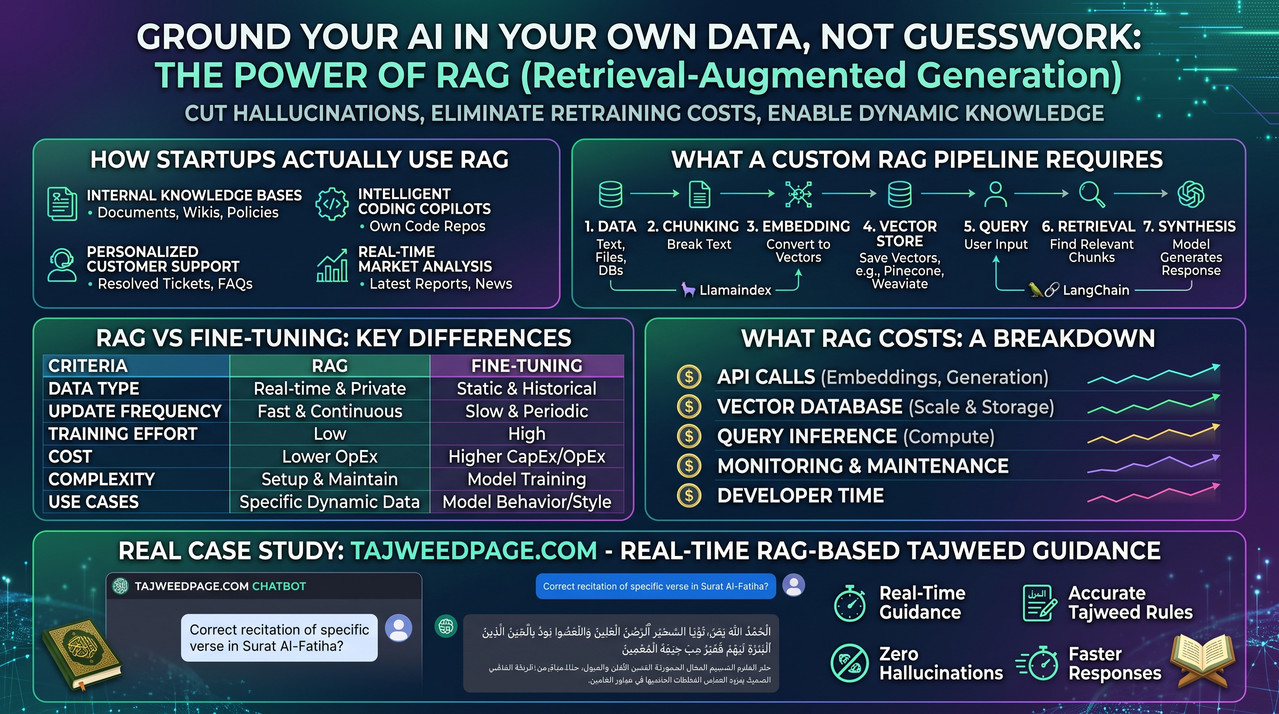
RAG grounds AI in your own data instead of guesswork — cutting hallucinations and skipping the cost of retraining. Here's how startups actually use it, what a custom RAG pipeline requires, RAG vs fine-tuning, what it costs, and a real case study: TajweedPage.com's real-time RAG-based Tajweed guidance.
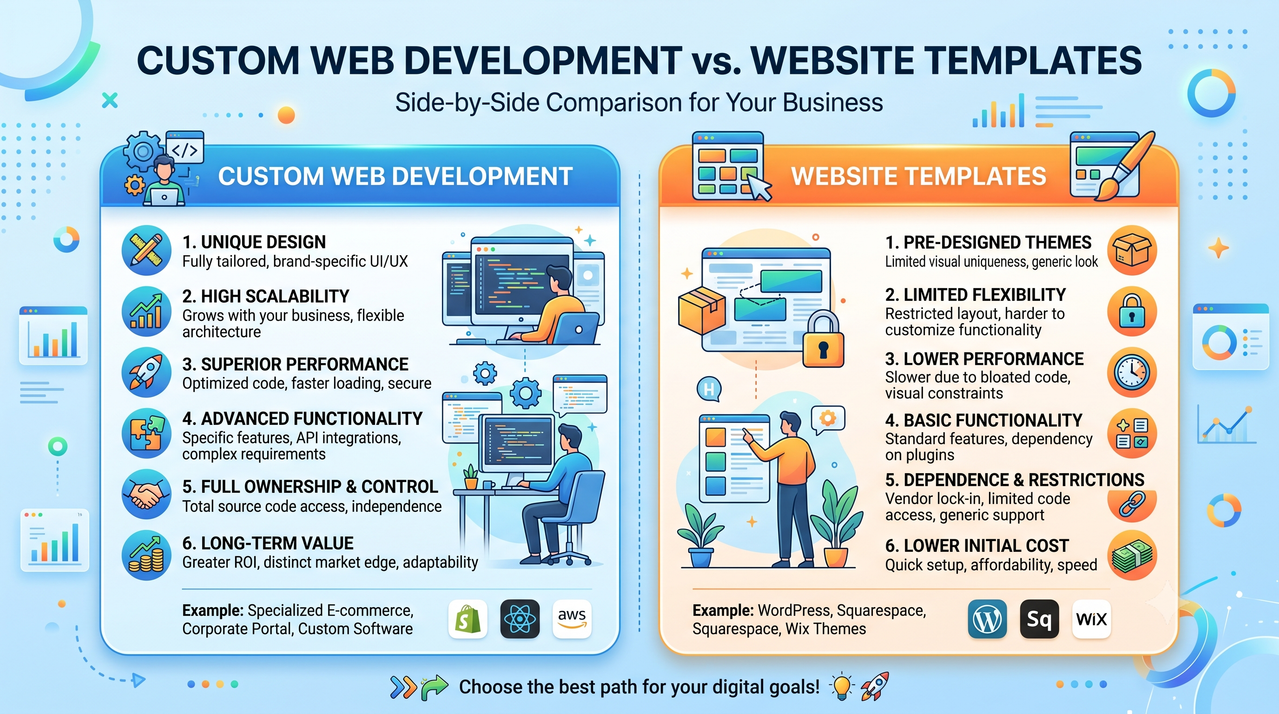
Learn the biggest warning signs that indicate your company has outgrown template-based websites and why custom web development creates better scalability, performance, and long-term business growth.
For most of the last decade, choosing a mobile app framework meant accepting a trade-off. Flutter was beautiful but struggled with jank. React Native was fast to build but hit a performance ceiling with its JavaScript bridge. Native was the gold standard but required two separate teams for iOS and Android. In 2026, most of those trade-offs are gone — which makes the framework choice harder, not easier, because you can no longer point to a clear technical winner.
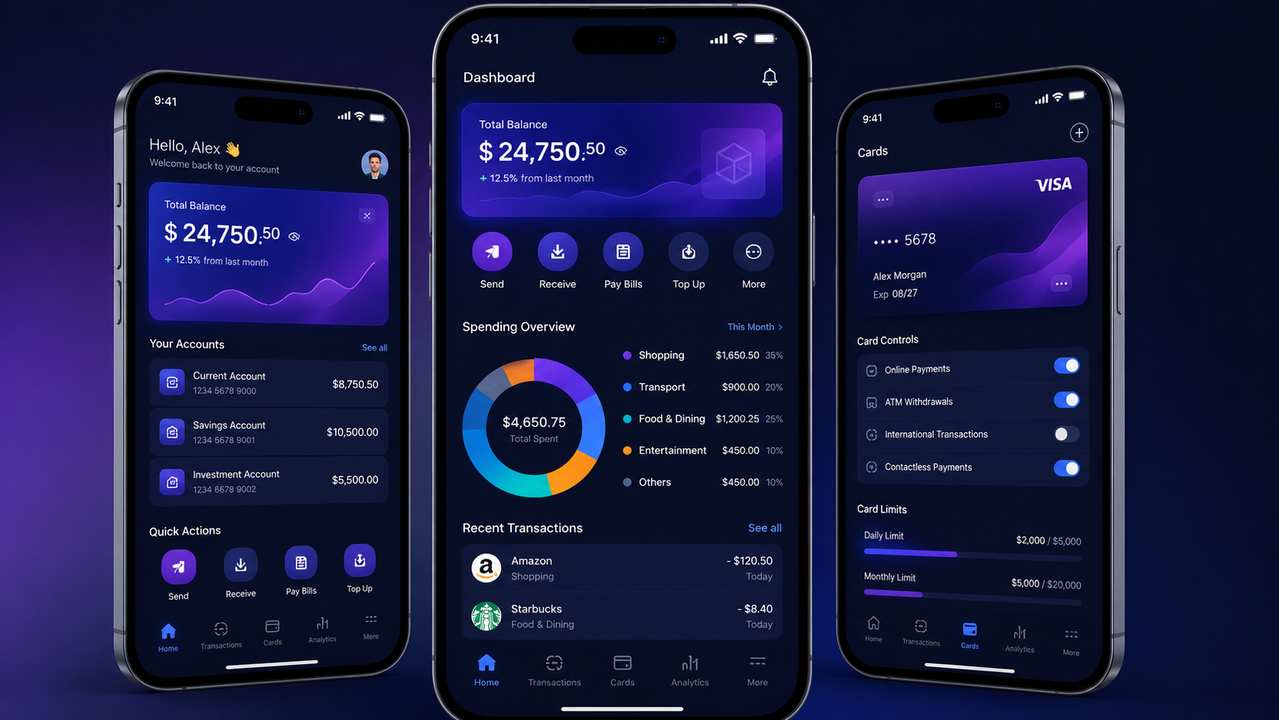
Complete fintech app development guide covering digital wallets, banking apps, AI fintech systems, security, costs, and startup workflows.
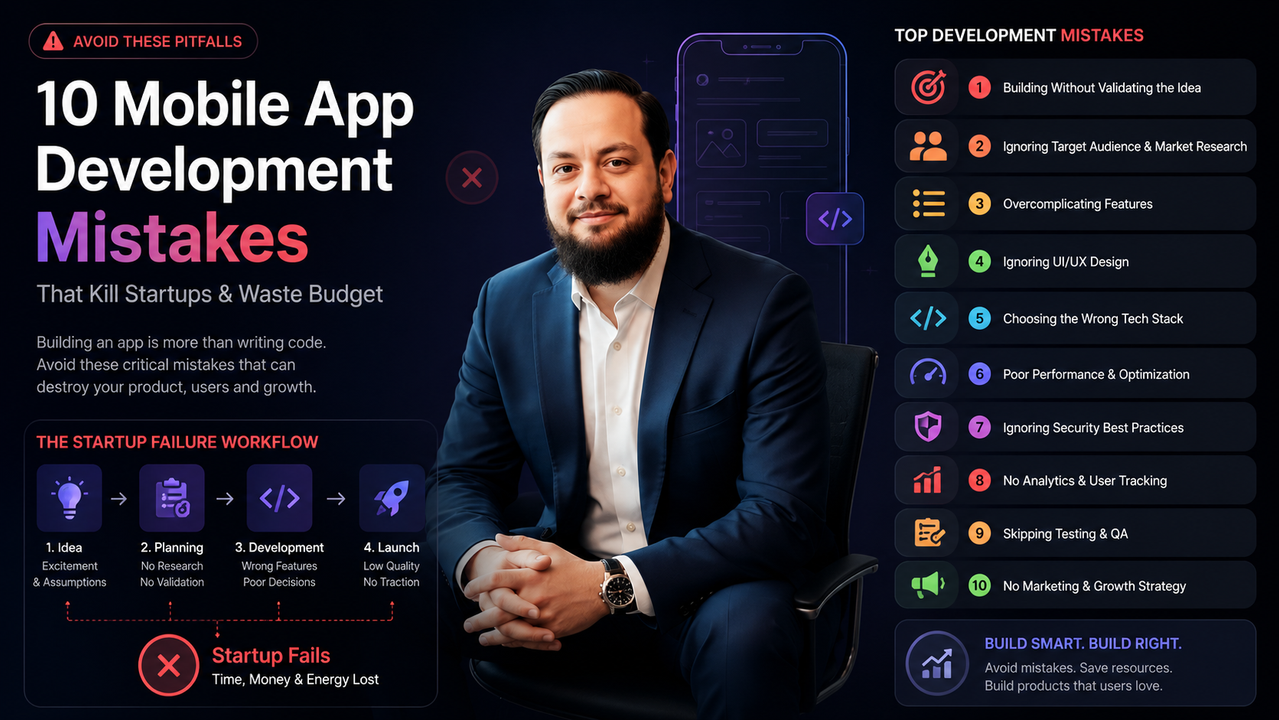
Complete guide explaining common mobile app development mistakes, startup app failures, UX problems, retention issues, monetization challenges, and smarter app-building strategies.
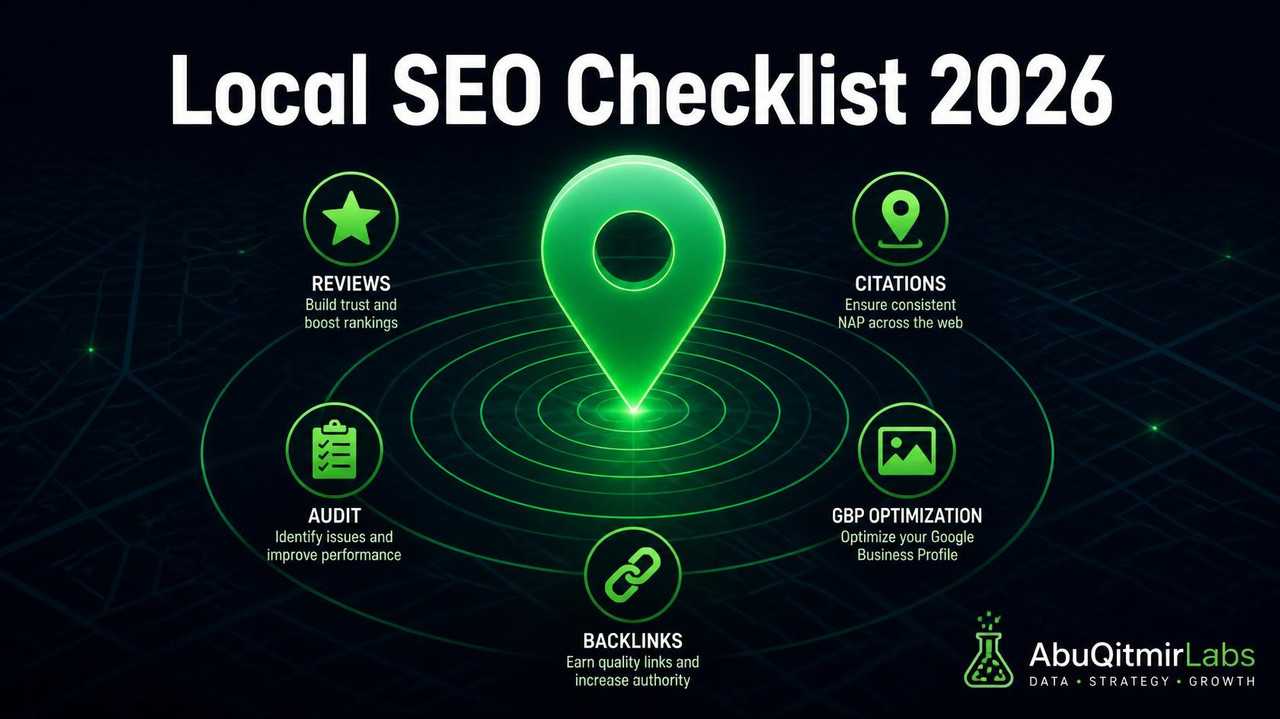
A complete local SEO checklist for 2026 — Google Business Profile optimization, citations, pricing, industry-specific tactics for dentists, lawyers, and restaurants, and white-label local SEO for agencies.
Build vs hire isn't really about cost — it's timeline versus ownership. Here's when building AI agents in-house makes sense, when hiring an agency wins, the hidden costs founders miss, and the hybrid model most early-stage companies should actually use.

A complete guide to the future of software development covering AI software trends, cloud-native systems, automation, cybersecurity, SaaS evolution, and custom software development between 2026–2030.
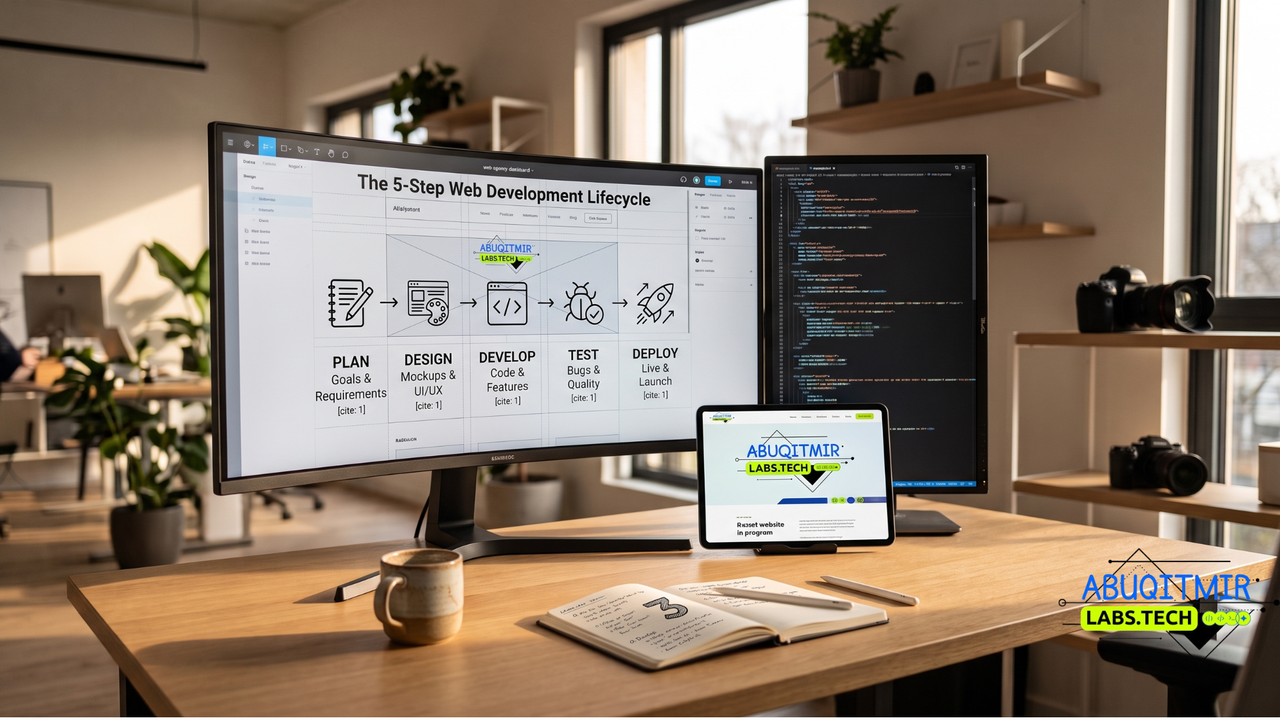
There is a particular kind of business owner who has been through one bad website project already. The agency that disappeared after the invoice was paid. The freelancer who delivered something that looked nothing like the mockup. The template that was handed over as "custom work." By the time they start researching the web development process properly, they are not looking for another vendor — they are looking for a process they can actually understand and hold someone accountable to. This guide is for that person.
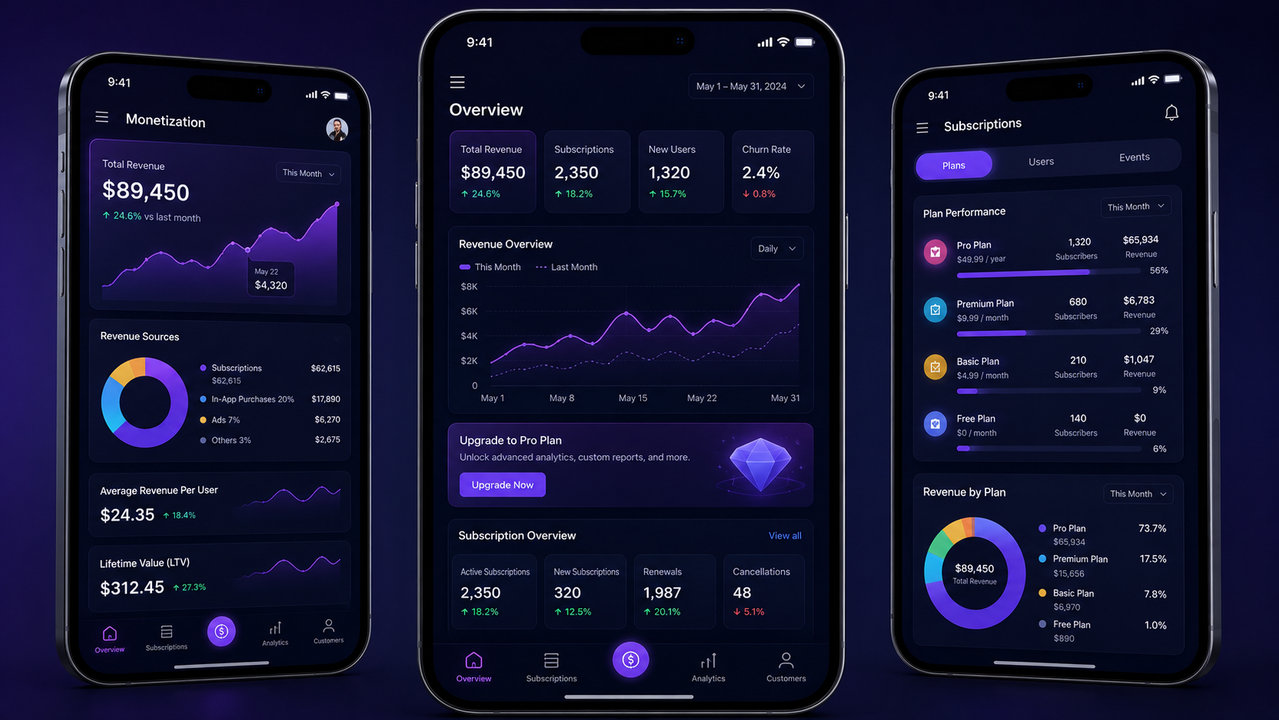
Complete guide to app monetization strategies covering subscriptions, ads, AI business models, SaaS revenue systems, and startup monetization tactics.
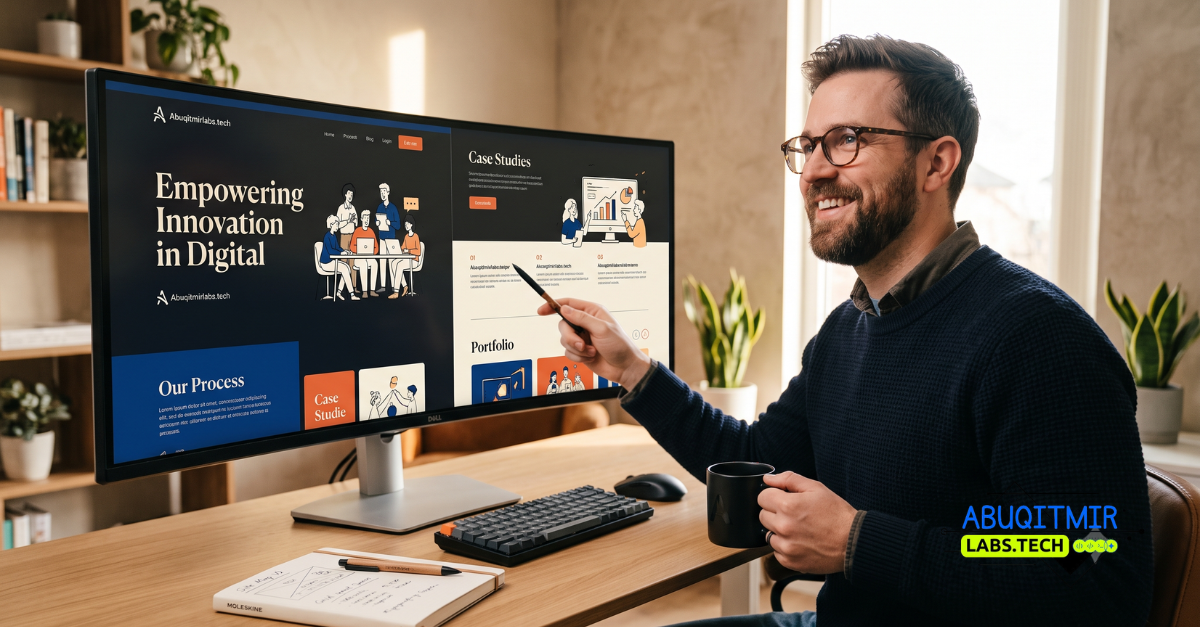
There is a version of the website conversation that every business owner has heard: templates are faster, templates are cheaper, and for most businesses they are "good enough." The problem with "good enough" is that it tends to be neither not good enough to convert visitors, not good enough to rank in search, not good enough to integrate with the systems the business actually runs on, and not good enough to grow with the business after launch. This is the version of the story that brings people to custom web development usually after the template already failed to deliver what it promised.

Three weeks ago, your web developer answered every message within the hour. Now there's nothing — no replies, no updates, no explanation. If you're staring at a half-finished website and a silent inbox, here's exactly what to do next, in order, without panic.
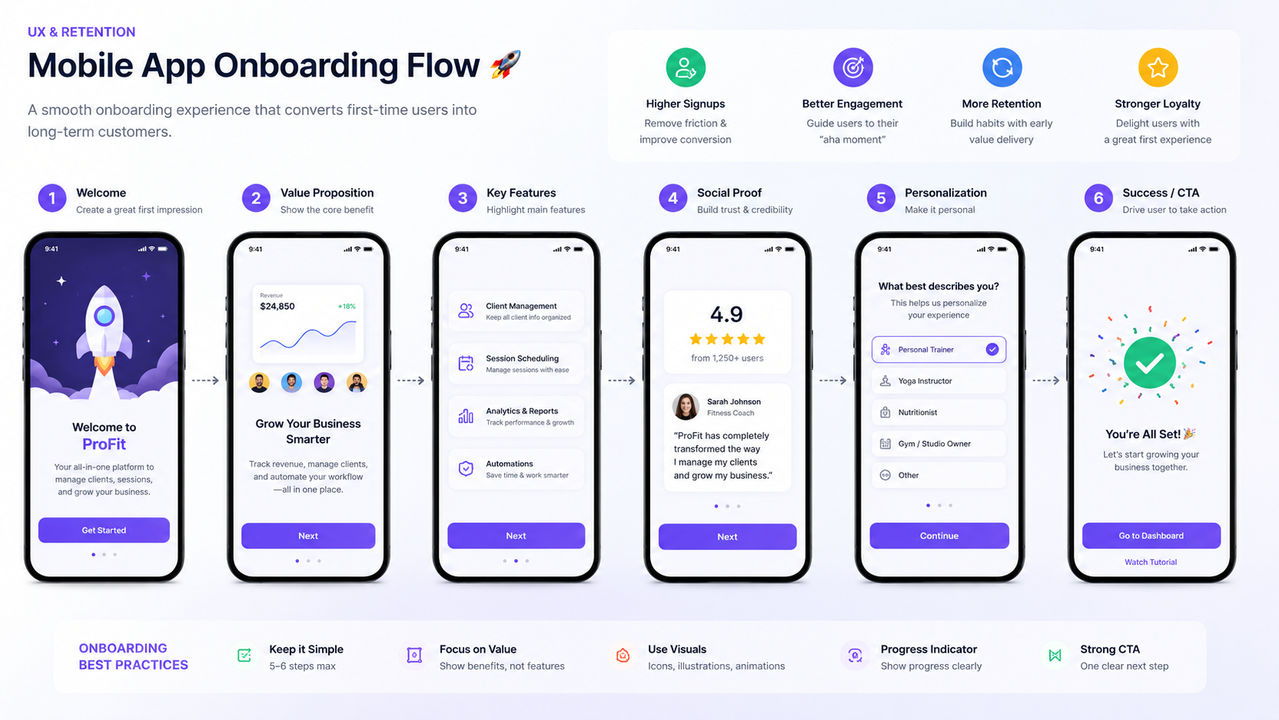
Complete guide to mobile app UI/UX design covering onboarding, navigation, retention psychology, UX optimization, AI personalization, and mobile usability.
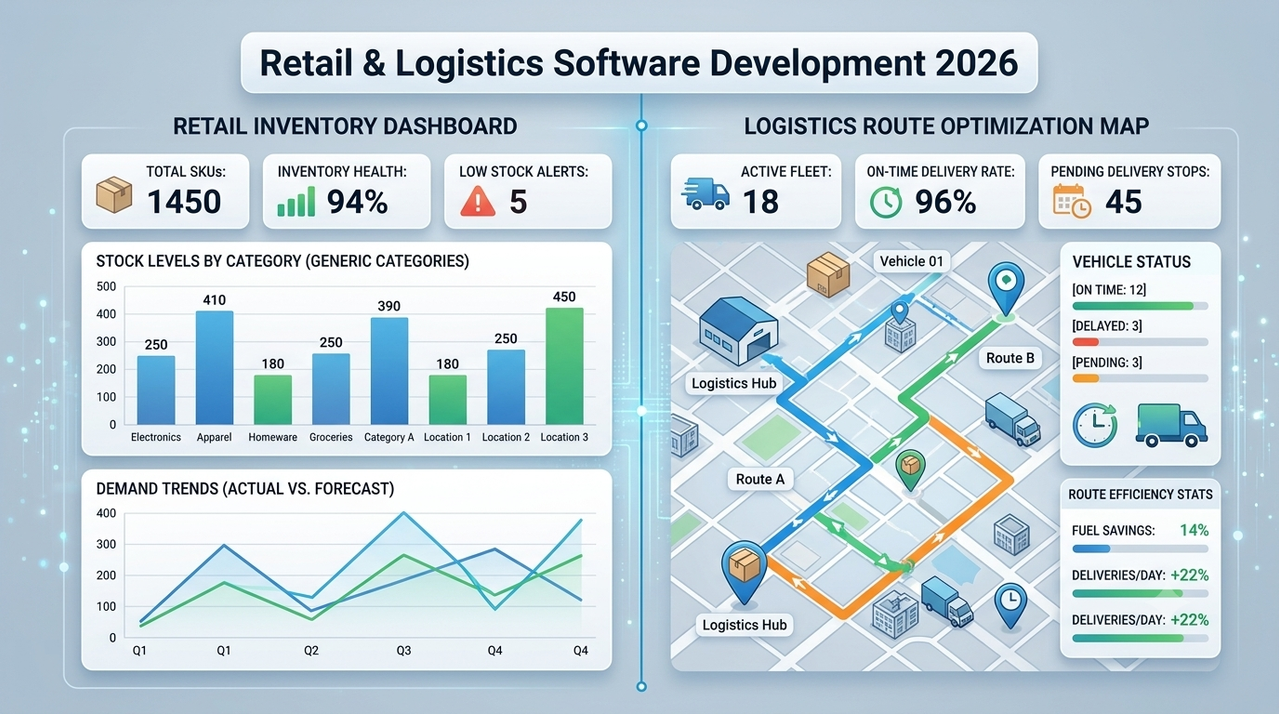
Retail software and logistics software solve different problems — and confusing them is where most projects fail. A complete 2026 guide to building both correctly.
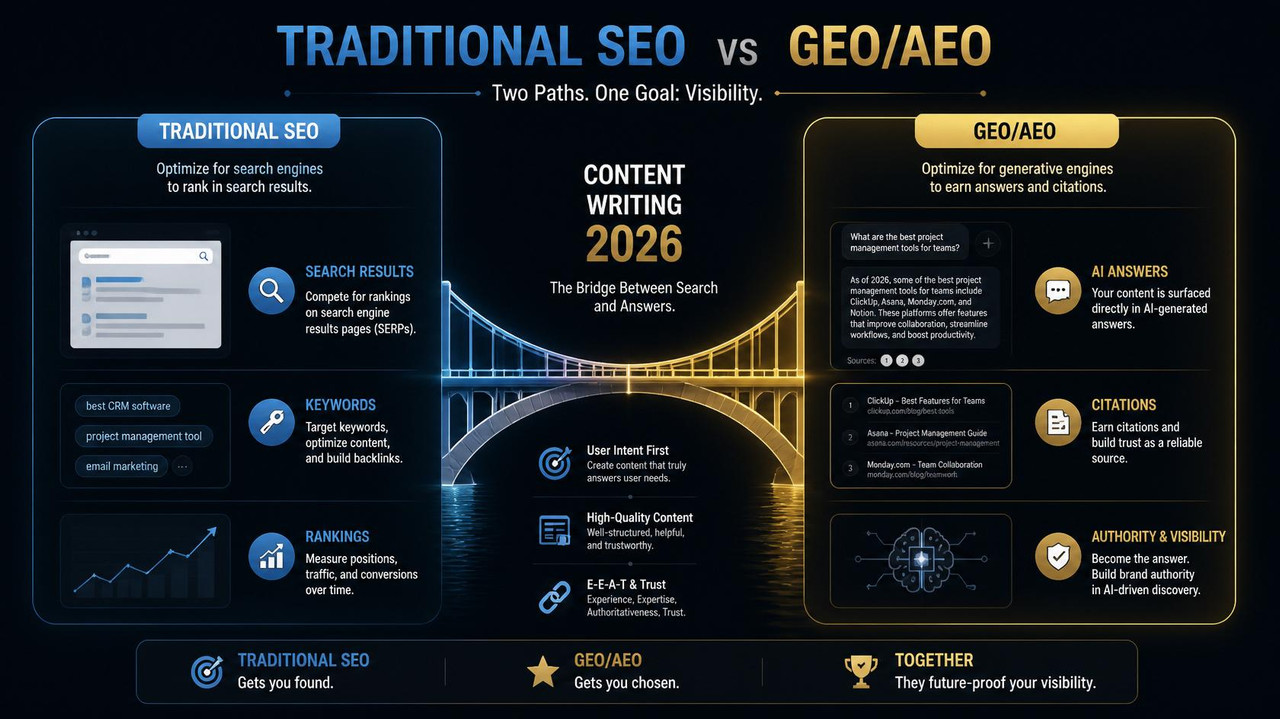
Most businesses hire a content writer expecting better blog posts. What they actually need, in 2026, is a partner who understands that "ranking" no longer means one thing. You're reading this because you're evaluating **content writing services** — and somewhere in that search, you've probably noticed that most agency pages read identically: writers on staff, SEO-optimized, fast turnaround, revisions included. What almost none of them mention is whether the content they produce is built to survive the shift already underway in how people actually find information. This guide covers what content writing services should deliver in 2026, the gap most of them still have, and how AbuQitmirLabs approaches this work differently — including a live example of the kind of content architecture we build for clients right now.

Somewhere between 2018 and today, a large share of the internet's most useful content quietly stopped being written. Not because people stopped having knowledge worth sharing — but because the incentives to share it publicly broke down. What replaced that knowledge is a flood of generic, aggregated, and increasingly AI-generated content. This matters far beyond the quality of your search results. Every major AI model is trained on what's publicly available online, and a training corpus with less authentic human expertise in it produces AI systems that know less than they appear to.
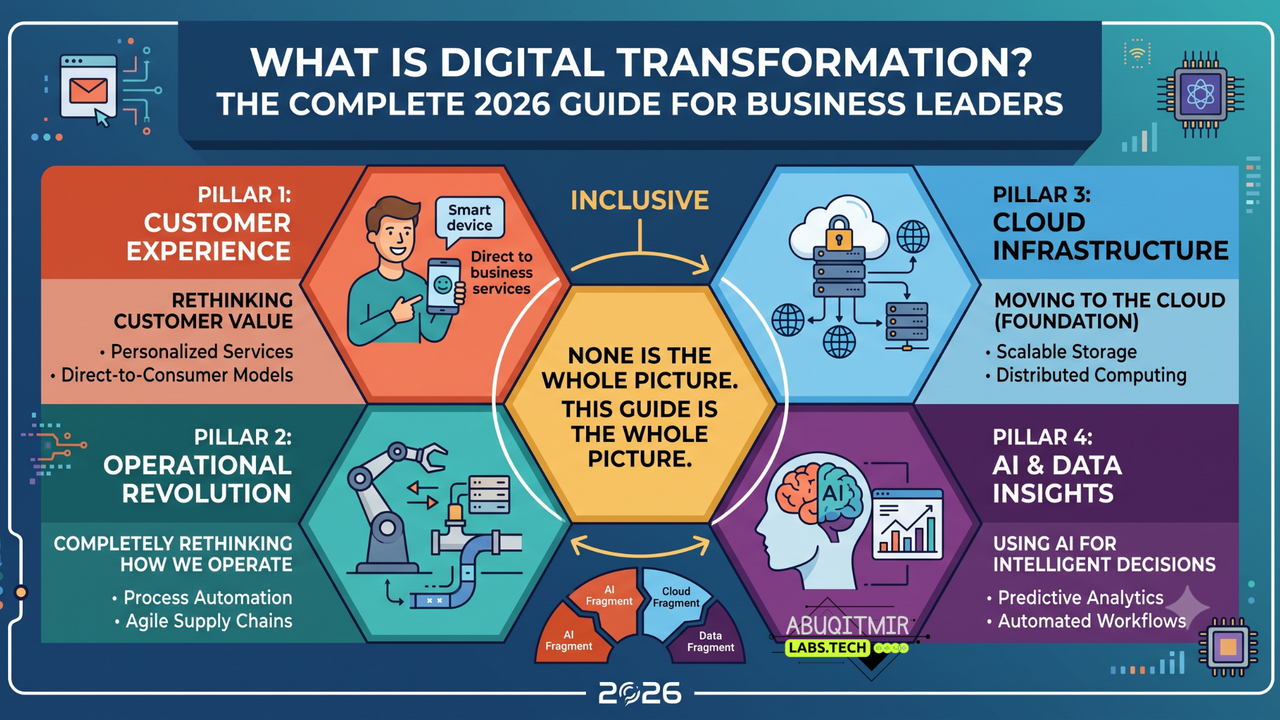
Digital transformation is the most overused phrase in business strategy — and possibly the least consistently understood. Ask ten business leaders what it means and you will receive ten different answers, ranging from "moving to the cloud" to "using AI" to "updating our website" to "completely rethinking how we operate." All of those answers contain a fragment of the truth. None of them is the whole picture. This guide is the whole picture.
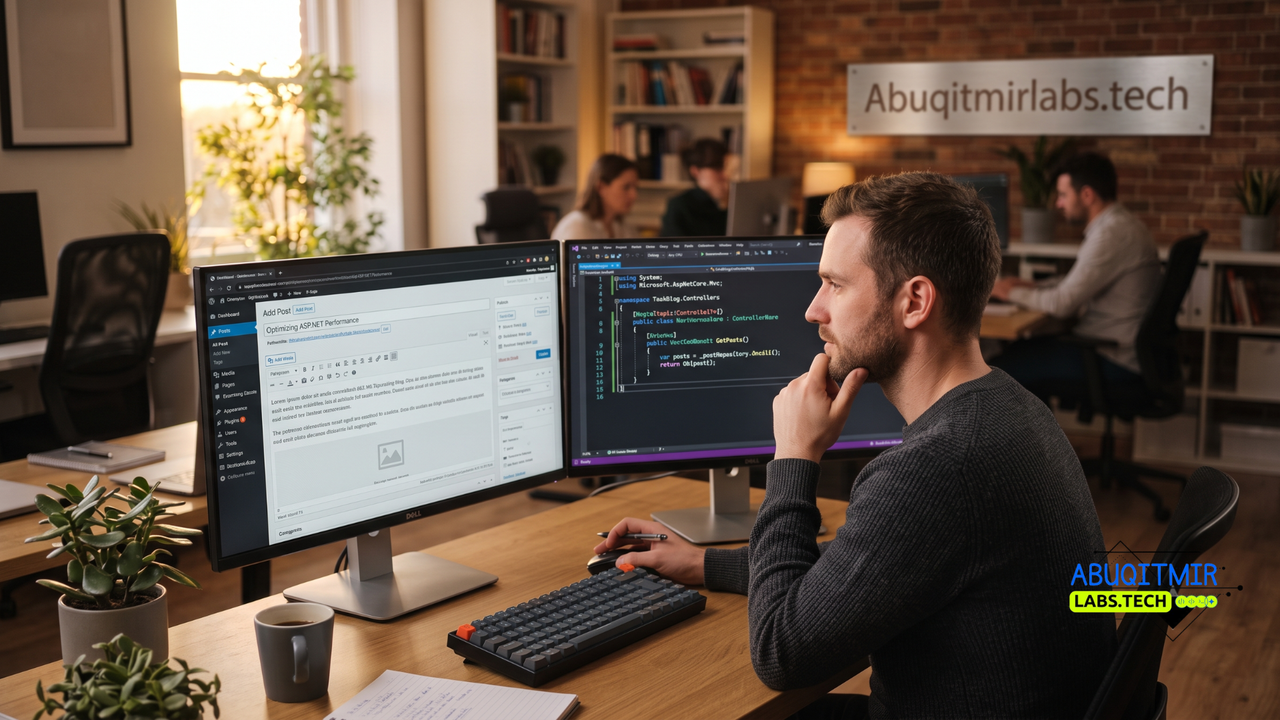
The WordPress vs. ASP.NET debate for enterprise has been running for years, and most of the content on it falls into one of two camps: WordPress advocates who minimize its enterprise limitations, and Microsoft-stack developers who overstate the complexity barrier of ASP.NET for non-enterprise use cases. Neither version is particularly useful for a business that actually needs to make this decision. This guide is the honest version.

React and Next.js continue to shape the future of web development. As AI web development, edge computing, and intelligent user experiences become mainstream, businesses that adopt these technologies early will gain significant competitive advantages.
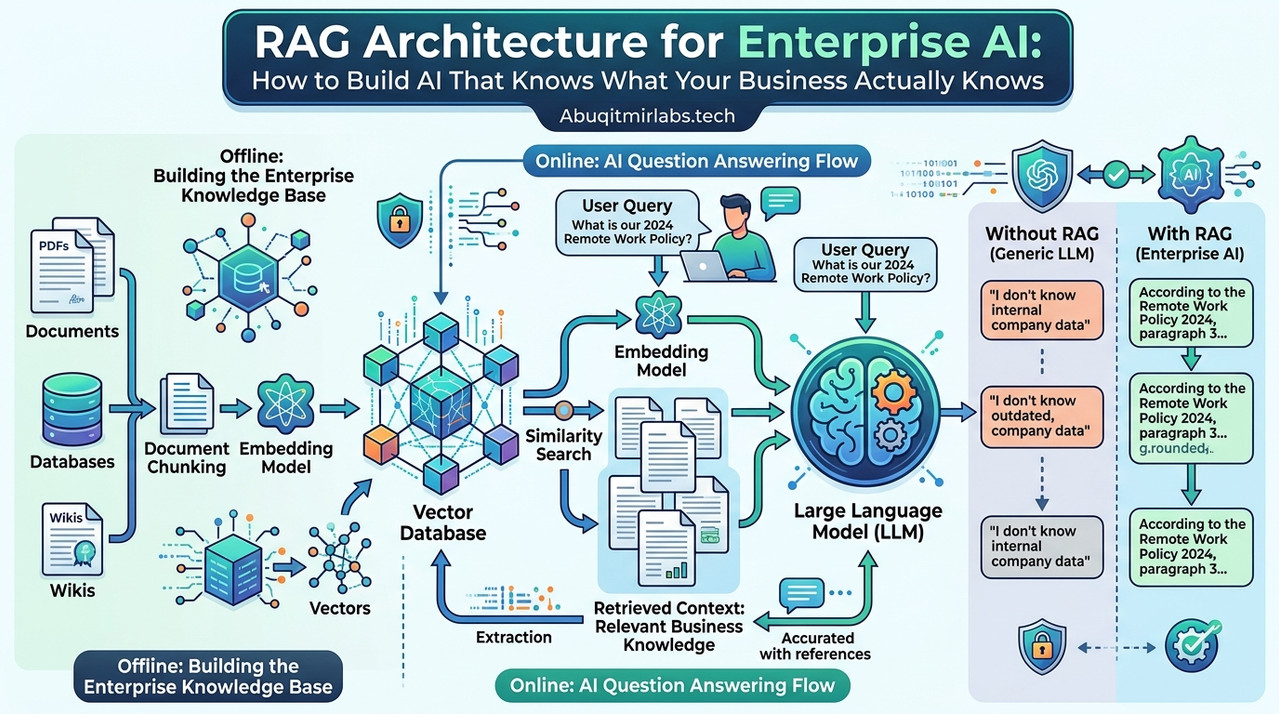
Every generic AI model no matter how capable knows only what was publicly available when it was trained. It does not know why your business handles a specific client situation the way it does, what your last three failed projects taught you, or what your actual pricing logic is beneath the surface. RAG is the architecture that closes this gap: instead of asking the model to guess based on general internet patterns, it retrieves the specific, correct information from your own knowledge base first, then generates a response grounded in that retrieval. This guide explains how that actually works, and why it matters more now than it did two years ago.

Healthcare software carries a property that most software categories never have to reckon with: the cost of a failure is not a lost sale or a frustrated user — it is a missed allergy alert, a delayed diagnosis, or a compliance breach involving a patient's most sensitive data. That single property reshapes almost every decision in healthcare software development, from how patient records are structured to how a mobile app handles a dropped connection mid-consultation.

Learn how AI and automation are reshaping custom software development through AI coding tools, automation workflows, predictive analytics, cloud systems, and modern business software strategies.
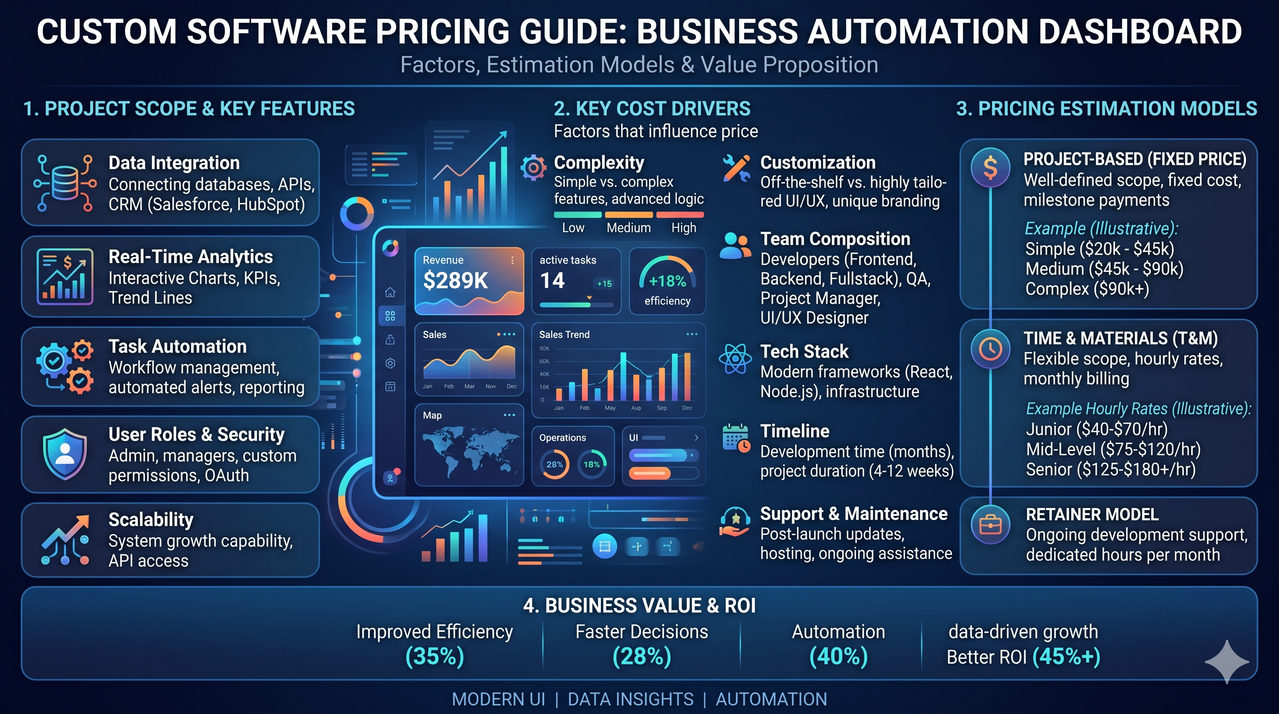
Complete guide to custom software development pricing in 2026 including software budgets, AI systems, automation software costs, SaaS vs custom software, and scalable business platforms.
The digital landscape waits for no one. Stop settling for mediocre solutions that drain your budget without delivering ROI. Partner with AbuQitmirLabs to build secure, fast, and highly intelligent digital assets that propel your business forward.
Let's discuss your next big project. Our initial technical consultation and digital audit are completely free.
Connect via Email • Updated: September 2026