Custom Software Development for Small Businesses (2026 Guide)
Small businesses are no longer competing only with local shops.
Now they compete with:
- AI-powered startups
- automated online businesses
- fast-moving SaaS platforms
- mobile-first brands
That shift changed how businesses operate.
A few years ago, spreadsheets and WhatsApp groups were enough for many companies.
Now businesses need:
- automation
- centralized systems
- customer tracking
- real-time analytics
- mobile accessibility
This is exactly why custom software development is growing rapidly among small businesses in 2026.
The interesting part?
Custom software is no longer something only large enterprises can afford.
Modern tools, cloud systems, and AI-powered development workflows made custom business software far more accessible for:
- startups
- local businesses
- online stores
- agencies
- healthcare clinics
- logistics companies
- educational platforms
This guide explains:
- what custom software development actually means
- why small businesses are investing in it
- how business automation works
- real-world examples
- costs in 2026
- common mistakes
- best development strategies
Whether you run:
- a startup
- retail business
- SaaS company
- logistics business
- educational platform
- healthcare system
this article will help you understand how custom software can improve operations and scale growth.
What Is Custom Software Development?
Custom software development means building software specifically for your business needs.
Instead of using generic tools built for everyone, businesses create systems designed around:
- their workflow
- employees
- customers
- operations
Examples of Custom Software
Custom software can include:
- CRM systems
- inventory management software
- booking systems
- delivery tracking platforms
- mobile apps
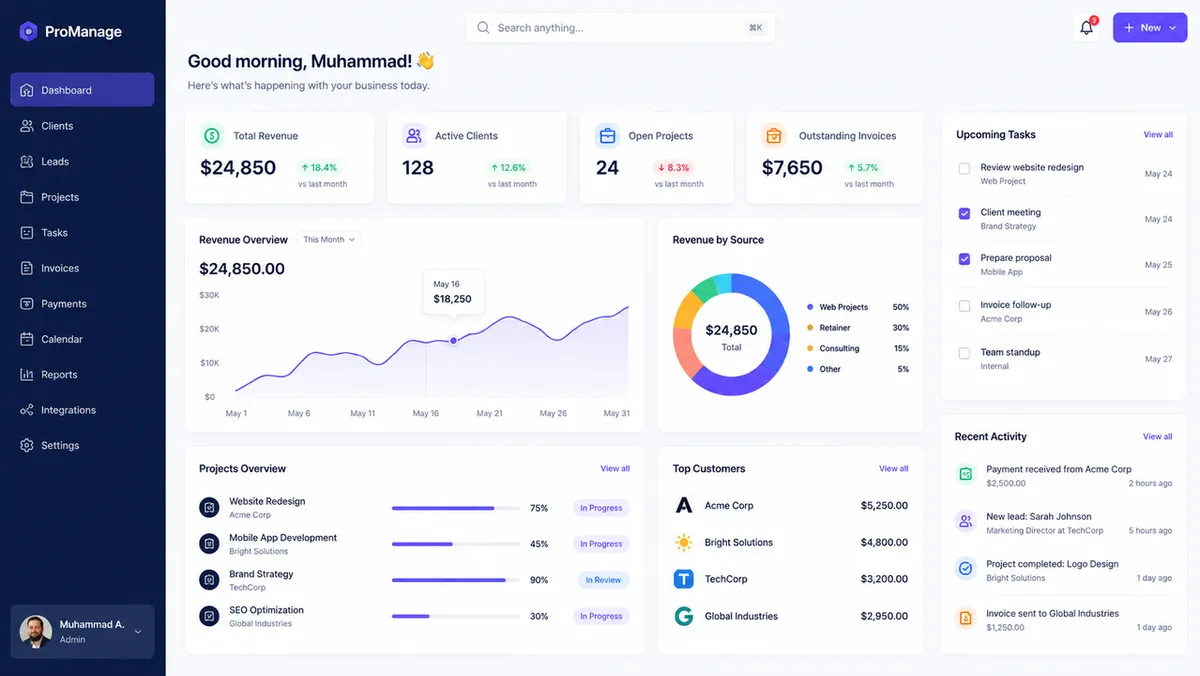
- customer dashboards
- employee management systems
- automation tools
- AI-powered analytics systems
Why Small Businesses Need Custom Software in 2026
Many small businesses struggle because operations become messy as they grow.
Common problems include:
- scattered customer data
- manual processes
- poor communication
- repetitive admin tasks
- slow reporting systems
Custom software solves these operational bottlenecks.
Real Business Shift Happening Right Now
Small businesses increasingly want:
- automation
- centralized workflows
- AI integrations
- mobile accessibility
because customers expect:
- faster service
- real-time updates
- smoother experiences
Benefits of Custom Software for Small Businesses
1. Better Business Automation
Automation saves:
- time
- money
- staff effort
Examples:
- automated invoices
- appointment reminders
- customer follow-ups
- inventory updates
- sales tracking
2. Increased Productivity
Employees spend less time on repetitive work.
This improves:
- efficiency
- focus
- operational speed
3. Better Customer Experience
Custom systems can improve:
- order tracking
- communication
- response time
- personalization
Customer experience often becomes a major competitive advantage.
4. Scalability
As businesses grow, custom software grows with them.
Unlike many generic tools, custom systems can adapt to:
- larger customer bases
- new workflows
- additional features
5. Data Centralization
Instead of using:
- spreadsheets
- disconnected apps
- scattered records
businesses can manage everything in one place.
Why Generic SaaS Tools Sometimes Fail Small Businesses
SaaS tools are useful, but they often create limitations.
Many businesses eventually realize:
- workflows don’t match perfectly
- features feel bloated
- integrations become difficult
- monthly subscription costs increase over time
Common Problems With Generic Tools
❌ Limited customization
❌ Too many unnecessary features
❌ Weak integrations
❌ Scalability issues
❌ High recurring costs
When Custom Software Makes More Sense
Custom software becomes valuable when:
- workflows are unique
- operations are growing
- automation needs increase
- SaaS limitations slow the business
Types of Small Businesses Using Custom Software
Retail Businesses
Need:
- inventory systems
- POS integrations
- delivery tracking
- customer management
Healthcare Clinics
Need:
- appointment systems
- patient management
- digital records
- reporting dashboards
Logistics Companies
Need:
- tracking systems
- driver management
- route optimization
- real-time updates
Educational Platforms
Need:
- student dashboards
- LMS systems
- attendance tracking
- payment integrations
Agencies & Startups
Need:
- CRM systems
- project management
- automation workflows
- client portals
Business Automation Software Explained
Business automation software reduces manual work using technology.
This is one of the biggest reasons businesses invest in custom software.
Examples of Automation
✅ Auto-generated invoices
✅ AI-powered customer support
✅ Workflow automation
✅ Sales tracking
✅ Employee management
✅ Inventory alerts
Real-World Example
A local retail business manually tracked inventory using spreadsheets.
Problems:
- stock errors
- delayed reporting
- wasted staff hours
After implementing custom inventory software:
- inventory updates became automatic
- reporting improved
- operational errors dropped significantly
The software itself wasn’t flashy.
But operational efficiency improved massively.
Mobile Apps + Custom Software
Many small businesses now combine:
- custom dashboards
with
- mobile apps
This allows:
- remote access
- customer convenience
- real-time operations
Why Mobile Accessibility Matters
Business owners increasingly manage operations from smartphones.
Modern systems often include:
- mobile admin panels
- delivery tracking apps
- employee apps
- customer portals
AI & Future of Custom Software
AI is changing software development rapidly.
Modern custom software increasingly includes:
- AI analytics
- predictive systems
- automation tools
- smart recommendations
- AI chat support
AI Features Businesses Want in 2026
✅ AI reporting
✅ Smart automation
✅ Predictive analytics
✅ AI customer support
✅ Workflow optimization
Small Business Software Development Process
Step 1 — Business Analysis
Understand:
- workflows
- pain points
- operational bottlenecks
Step 2 — Planning
Define:
- features
- architecture
- integrations
- scalability goals
Step 3 — UI/UX Design
Good software should feel:
- simple
- intuitive
- efficient
Step 4 — Development
Developers build:
- frontend systems
- backend logic
- APIs
- databases
Step 5 — Testing
Testing identifies:
- bugs
- performance issues
- usability problems
Step 6 — Deployment
Software goes live for business use.
Step 7 — Continuous Improvement
Modern software evolves continuously based on:
- feedback
- analytics
- business growth
Common Mistakes Small Businesses Make
❌ Overbuilding Features
Too many features increase:
- cost
- complexity
- maintenance problems
❌ Ignoring Scalability
Cheap systems often fail when businesses grow.
❌ Choosing the Cheapest Developers
Low-cost development sometimes creates:
- poor architecture
- security issues
- technical debt
❌ Weak UI/UX
Employees avoid software that feels confusing.
❌ No Long-Term Plan
Software should support future growth.
How Much Does Custom Software Development Cost in 2026?
Costs vary depending on:
- complexity
- integrations
- platform type
- scalability requirements
Small MVP Systems
Can start from:
- lower-budget development models
Medium Business Platforms
Usually require:
- advanced integrations
- automation systems
- dashboards
Enterprise-Level Systems
Can become significantly more expensive due to:
- scalability
- security
- AI integrations
Is Custom Software Worth It?
For many businesses: yes.
Especially when:
- operations become inefficient
- SaaS tools become limiting
- automation needs increase
Signs Your Business Needs Custom Software
✅ Employees repeat manual tasks daily
✅ Operations feel disorganized
✅ Multiple disconnected tools are used
✅ Reporting is slow
✅ Scaling becomes difficult
Why Businesses Invest in Long-Term Systems
Good software is not just an expense.
It often becomes:
- operational infrastructure
- automation engine
- growth system
Cloud-Based Software Trends
Cloud systems became standard for modern business software.
Benefits include:
- remote access
- easier scaling
- automatic backups
- lower infrastructure costs
Security Matters More Than Ever
Business software often stores:
- customer data
- financial records
- operational information
Security should never be ignored.
Important Security Features
✅ Encrypted databases
✅ Secure authentication
✅ Role-based permissions
✅ Backup systems
✅ API security
Real-World Mini Case Study
A service-based company managed:
- bookings
- invoices
- customer communication
manually.
This caused:
- missed appointments
- slow follow-ups
- operational chaos
The company later implemented:
- booking automation
- customer CRM
- payment tracking
- mobile dashboards
Result:
- faster operations
- improved customer response
- reduced admin workload
The business didn’t suddenly “go viral.”
But operations became dramatically more efficient.
That’s often the real power of custom software.
Why Simplicity Wins
The best business software usually focuses on:
- usability
- efficiency
- workflow optimization
not unnecessary complexity.
🔗 Explore Future Software Trends
AI and automation are rapidly changing custom software development.
👉 Read this: https://abuqitmirlabs.tech/blog/future-of-custom-software-development-2026
Final Thoughts
Small businesses no longer need to operate with disconnected systems and manual workflows.
Custom software helps businesses:
- automate operations
- improve efficiency
- centralize data
- scale intelligently
The strongest software projects usually begin with:
- clear business goals
- realistic planning
- usability-focused design
not unnecessary complexity.
Businesses that invest in operational efficiency early often gain a major long-term advantage.
And in 2026, software is becoming less of a luxury and more of a competitive necessity.
FAQs
1. What is custom software development?
Custom software development means creating software specifically designed for a business’s unique needs and workflows.
2. Is custom software good for small businesses?
Yes. Small businesses increasingly use custom software for automation, scalability, and operational efficiency.
3. How much does custom software development cost?
Costs vary depending on complexity, integrations, features, and scalability requirements.
4. What types of businesses need custom software?
Retail, healthcare, logistics, SaaS, startups, agencies, and educational platforms commonly use custom software.
5. Can custom software include AI features?
Yes. Modern systems increasingly use AI for automation, analytics, customer support, and workflow optimization.
Related Engineering Resources
- For engineering teams deploying production workflows, explore our blueprint on custom AI agent development and enterprise RAG architecture and our AI automation solutions.
- If you are scoping a mobile product roadmap, see our guide to cross-platform and native mobile app engineering and estimate your build with our interactive project cost estimator.